Iran · 01 May, 2026 · 8 min read
May Day Protests Worldwide Demand Peace, Higher Wages Amid Iran War Energy Costs
May Day rallies demand peace, higher wages as energy costs rise due to Iran war. Protests frame the Iran conflict as driver of a global energy crisis harming workers.
Turkey protests targeting/approaching Istanbul’s Taksim Square and resulting arrests/detentions.
9 of 10 outlets skipped it: south Florida event focused on nursery workers via a first-ever 'March for Planting Justice' targeting major plant retailers and calling for heat protections and safer working conditions..
Common Dreams was read line by line by the Watchdog: 1.4. See the score →
16outlets compared
Same story, two versions
tap a side to read it in full
DW
“Turkish police clashed with demonstrators who attempted to march toward Istanbul's iconic Taksim Square, leading to over 500 arrests.”Read the original ↗
France 24
“Turkish police fired tear gas and arrested hundreds of people holding May Day demonstrations in Istanbul, as thousands rallied nationwide.”Read the original ↗
The arrest/detention scale is a key empirical detail used to frame state response; 'over 500' versus 'hundreds' affects perceived severity and intensity of crackdown.
May Day and the Iran War
On May 1, activists worldwide held May Day rallies and street protests calling for peace, higher wages and better working conditions as many workers grapple with rising energy costs and shrinking purchasing power tied to the Iran war.
“Activists worldwide heldMay Day rallies and street protestson Friday, calling for peace, higher wages and better working conditions as many workers grapple withrising energy costsandshrinking purchasing powertied tothe Iran war”
The Associated Press reported that May 1 is a public holiday in many countries to mark International Workers’ Day, or Labor Day, when workers’ unions traditionally rally around wages, pensions, inequality and broader political issues.
The AP said demonstrations were held across Asia “from South Korea to Australia and Indonesia” and to “many European capitals,” while in the United States activists opposing President Donald Trump’s policies also held marches and boycotts.
The same AP reporting framed rising energy costs as a central pressure point, stating that workers were “grappling withrising energy costsandshrinking purchasing powertied tothe Iran war.”
France 24 similarly described May Day rallies as protests against “rising energy prices caused by the US-Israeli war on Iran,” and said Turkish police arrested hundreds of people in Istanbul.F
In the United States, NPR said May Day demonstrations were expected to draw crowds nationwide and that organizers were calling for a boycott of work, school and shopping to protest the Trump administration’s policies and what activists label as a billionaire takeover of the government.
Across these accounts, the Iran war is repeatedly linked to economic strain, with the European Trade Union Confederation saying, “Working people refuse to pay the price for Donald Trump’s war in the Middle East.”
Protests, arrests, and slogans
Multiple outlets described May Day demonstrations as both labor-focused and explicitly tied to the Iran war and U.S. foreign policy.
Fox News said protests across Europe and Asia “revealed how International Workers’ Day is increasingly transforming from a traditional labor rights event into a broader political battleground,” with demands over wages and inflation “intertwined with anti-war activism” and “anti-Israel rhetoric.”
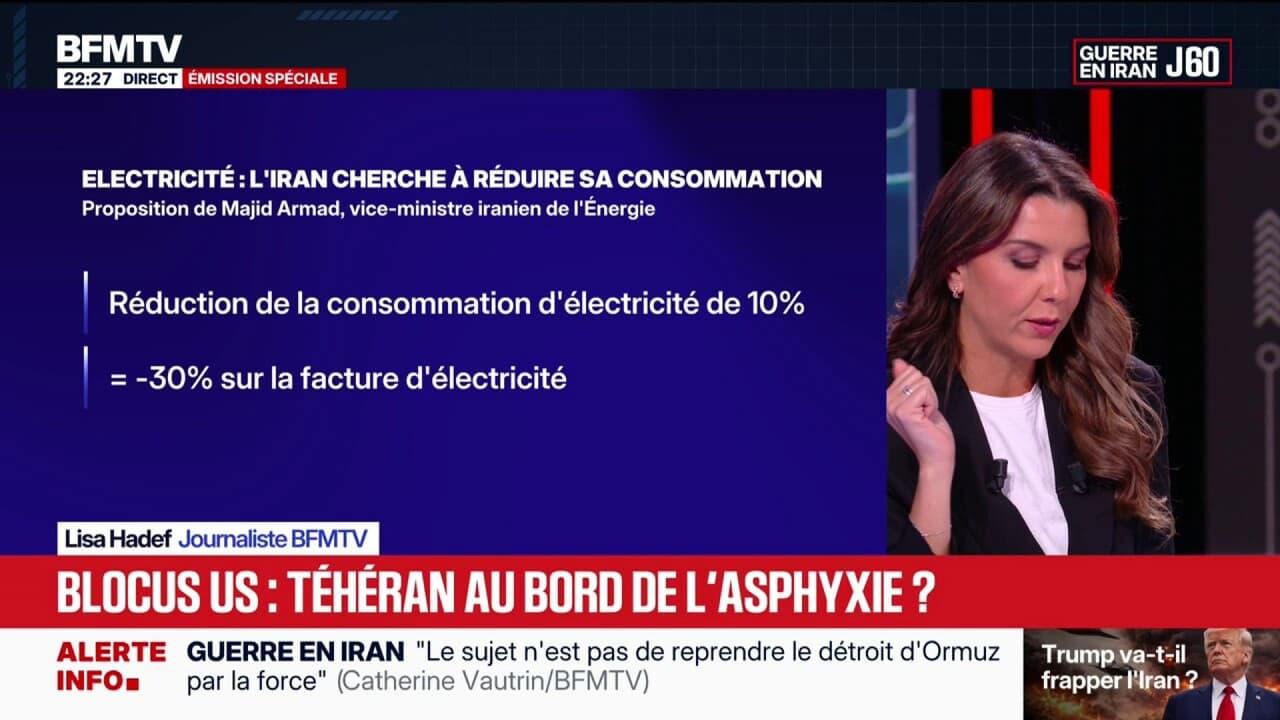
In Istanbul, Fox News reported that police blocked leftist groups from marching to the banned Taksim Square and that protesters attempted to break through barricades and clashed with police as authorities detained some of the protesters.
France 24 also reported that Turkish police fired tear gas and arrested hundreds of people in Istanbul, saying “at least 370 people were arrested in Istanbul” and that police fired tear gas from riot-control vehicles into the crowd.F
The France 24 account added that images aired on the opposition channel HALK TV showed “the president of the Turkish Workers' Party, Erkan Bas, engulfed in pepper spray,” and it said the CHD lawyers' group was present at the rallies.F
In Manila, Fox News said workers clashed with police near the U.S. Embassy while protesting higher fuel and commodity prices and demanding wage increases and “calling for an end to war in the Middle East.”
Common Dreams and PBS both described Manila banners and messaging, with Common Dreams saying marchers carried a large banner that read, “Down With US Imperialism,” and PBS quoting Josua Mata saying, “Every Filipino worker now is aware that the situation here is deeply connected to the global crisis.”
In the U.S., NPR said the “May Day Strong” events aim to commemorate International Labor Day and that organizers are mobilizing under “No Kings,” with protests following “the nationwide anti-Trump movements under the 'No Kings' banner.”
Energy costs and labor demands
Across the reporting, the Iran war is presented as a driver of energy costs that feeds into labor demands for higher wages and better working conditions.
“calling for peace, higher wages and better working conditions as many workers grapple withrising energy costsandshrinking purchasing powertied tothe Iran war”
The Associated Press said activists called for “peace, higher wages and better working conditions” as workers faced “rising energy costs and shrinking purchasing power tied to the Iran war.”
PBS, also drawing on Associated Press material, said “Rising living costs linked to the conflict in the Middle East emerged as a key theme in Friday's rallies,” and it quoted the European Trade Union Confederation: “Working people refuse to pay the price for Donald Trump’s war in the Middle East.”
In Indonesia, PBS said President Prabowo Subianto joined a May Day rally in Jakarta and that workers called for “stronger government protection amid rising prices and difficulties in finding raw materials for their industry.”
In Pakistan, PBS reported that May Day is a public holiday marked by rallies but that “many daily wage earners cannot afford to take time off,” quoting Mohammad Maskeen: “How will I bring vegetables and other necessities home if I don’t work?”
The Independent similarly described rising oil prices fueling inflation, saying the government estimates it “at about 16%,” and it tied that inflation to a country “heavily reliant on financial support from the International Monetary Fund and allied nations.”
Fox News added that in Manila protesters demanded wage increases and “calling for an end to war in the Middle East,” while Common Dreams said the war was a central focus because of “the impact it's had on energy costs.”
Common Dreams also quoted Josua Mata explaining the connection between local hardship and the global crisis, saying, “Every Filipino worker now is aware that the situation here is deeply connected to the global crisis,” and it framed the war as part of a broader condemnation of “US-Israeli war on Iran.”
U.S. policy, blockade, and war timeline
While May Day protests unfolded globally, NPR’s account connected the day’s demonstrations to an active U.S. policy timeline around the Iran war.
NPR said “The Trump administration faces a deadline today to seek Congressional approval for its military action in Iran,” and it cited the War Powers Resolution of 1973, saying “Congress must declare war or authorize the use of force within 60 days.”
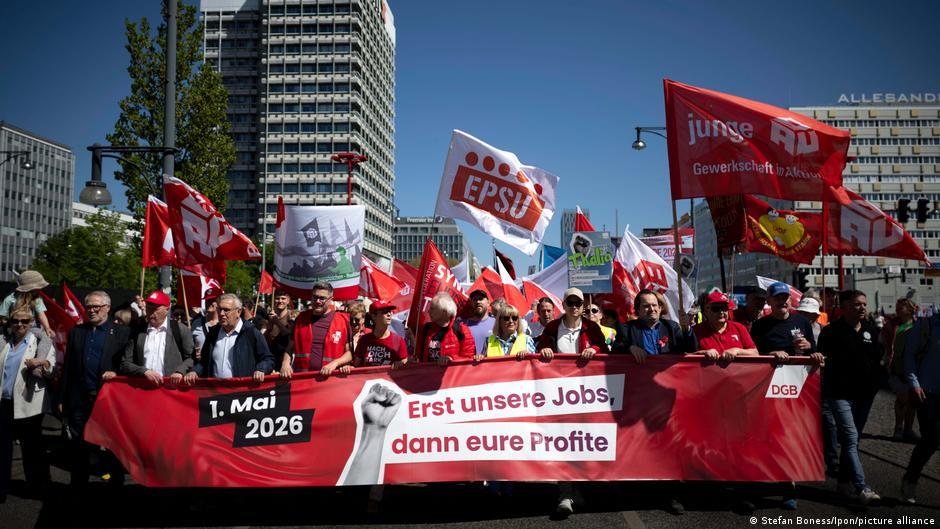
NPR added that “Defense Secretary Pete Hegseth asserted that the current ceasefire doesn't count toward the 60 days,” and it said the administration planned to continue confronting Iran through “the dueling blockades of the Strait of Hormuz.”
NPR also reported that “Iranians have proposed reopening the Strait and negotiating nuclear restrictions later,” and it said President Trump “convened his national security team to review the proposal,” while “he remains adamant that a nuclear deal must be included.”
The same NPR segment quoted Alexander Gray, the former Chief of Staff at the National Security Council during the first Trump administration, saying the blockade gives the U.S. “maximum leverage,” and it described his view that “The blockade is all about which side blinks or gives in first.”
NPR further said the Trump administration had argued that “if they just put enough military and economic pressure on Iran, Tehran would capitulate,” but it said that “hasn't happened,” quoting NPR’s Franco Ordoñez.
In parallel, La Croix’s recap of the war’s 20th day quoted Israeli Prime Minister Benjamin Netanyahu describing “unparalleled” coordination with President Donald Trump and claiming Israel had “acted alone” in bombing a gas facility in Iran.
La Croix also quoted Netanyahu saying Iran’s attempts to “blackmail” the world by closing the Strait of Hormuz “will not work,” and it reported Netanyahu’s assertion that “After 20 days, I can tell you that Iran today no longer has the capacity to enrich uranium.”
What comes next
The sources portray May Day as both a protest moment and a pressure point that feeds into broader political and economic stakes tied to the Iran war.
“Organizers are calling for a boycott of work, school and shopping to protest the Trump administration's policies and what activists label as a billionaire takeover of the government.”
In the U.S., NPR said May Day demonstrations are expected to draw crowds nationwide and that organizers are calling for a boycott of work, school and shopping, describing the “May Day Strong” events as aiming to commemorate International Labor Day and as a backlash to “power grabs being made by the global billionaire class.”
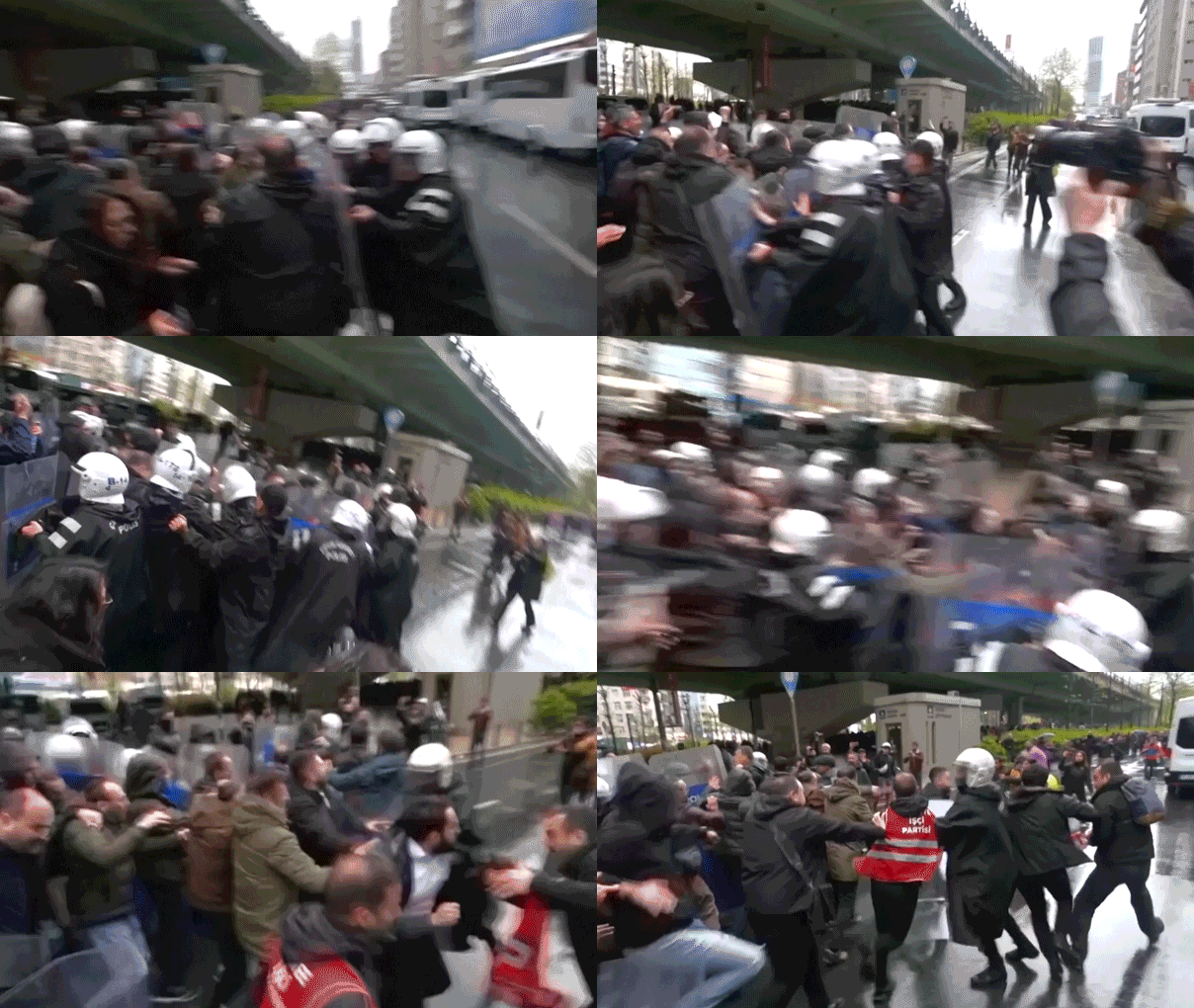
Common Dreams similarly said “Working people refuse to pay the price for Donald Trump’s war in the Middle East,” quoting the European Trade Union Confederation and adding that “today’s rallies show working people will not stand by and see their jobs and living standards destroyed.”
In France, the Independent reported that unions called for demonstrations in Paris and elsewhere under the slogan “bread, peace and freedom,” linking workers’ daily concerns to conflicts in Ukraine and the Middle East, and it quoted unions saying, “Don’t touch May Day,” in a joint statement.
In Turkey, France 24 said police sealed off the area around Taksim Square and that the CHD lawyers' group reported the number of people in custody at “370” at “1100 GMT,” indicating continuing detention as protests played out.F
In the wider war context, NPR’s account emphasized that the Trump administration faces a deadline to seek Congressional approval for its military action in Iran, with the War Powers Resolution requiring action “within 60 days,” and it noted that the administration plans to continue confronting Iran through blockades of the Strait of Hormuz.
La Croix’s recap of the war’s 20th day included Netanyahu’s claims that “Israel is winning the war,” that “The Iranian missile and drone arsenal is undergoing massive degradation,” and that “Hundreds of their launchers have been destroyed,” while also stating Netanyahu’s claim that Iran no longer has uranium enrichment capacity.
Taken together, the May Day reporting and the war recap show a cycle in which economic pressure from the Iran war is met by labor mobilization and political contestation, while U.S. and Israeli leaders frame the conflict in terms of leverage, degradation, and timelines.