Syria · 20 August, 2026 · 3 min read
Mazloum Abdi Announces Syrian Democratic Forces Dissolution After Merging With Syrian Army
SDF dissolved as independent military force after merging into Syrian state institutions. Mazloum Abdi announced completion of civil and military integration into state institutions.
50 outlets told this the same way.
6 of 7 outlets skipped it: SDF integration includes Asayish joining the Ministry of Interior.
50outlets compared
SDF dissolves in Damascus
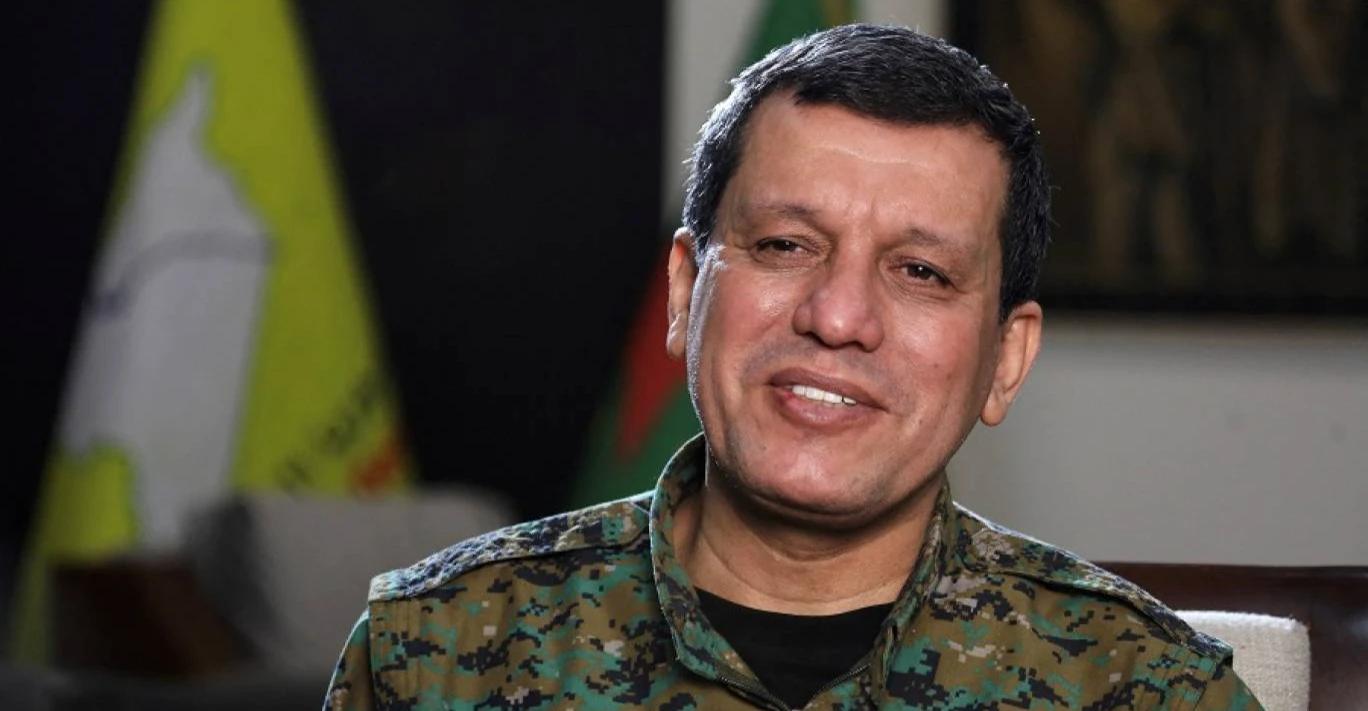
Kurdish-led forces in Syria, the Syrian Democratic Forces (SDF), dissolved as an independent military force after merging with the Syrian army, with Mazloum Abdi announcing the end of the SDF’s mission in a televised speech at the presidential palace in Damascus. Abdi said, “We announce today the end of the mission of the Syrian Democratic Forces and declare, with full responsibility, their dissolution as an independent military force,” as the SDF completed a merger with the Syrian army and would cease to operate independently. The SDF once controlled a de facto autonomous zone in Syria’s northeast, but it lost most of its territory in northeastern Syria in January during a government offensive before signing the deal to merge with the army.
The announcement came after Washington formed close ties with the new government in Damascus led by interim Syrian President Ahmed al-Sharaa, and it followed the US removing Syria from its “state sponsors of terrorism” list. In the same context, Abdi framed the shift as a transition away from “battlefields” toward “construction,” while the US envoy Tom Barrack praised President Trump’s “far-sighted leadership” for enabling the SDF’s “orderly integration into Syrian state institutions.”

Debate over integration
Al Jazeera reported that the SDF’s dissolution was part of an agreement with Syria’s interim government to integrate militia groups into the country’s official armed forces, while a separate Al-Jazeera explainer stressed that the political announcement does not automatically settle the practical question of on-ground implementation. Researcher and political analyst Hasan Al-Dhghaim said Abdi’s statements were a “positive step,” but he warned that practical arrangements are still needed to prevent parallel structures or practices from remaining within official institutions. Al-Dhghaim argued that merger is not measured merely by a slogan or renaming of institutions, saying, “merger is not measured merely by a slogan or renaming of institutions.”
Journalist Akron Asaad described a proposed concept in which SDF forces would enter as brigades and military divisions within the new Syrian army, while Al-Dhghaim set a broader criterion that military, security, and judiciary fall under central state authorities. The AP also reported that Kurds questioned whether the new Sunni Arab-led authorities would give them true representation, even as al-Sharaa tried to woo them with a decree strengthening Kurdish rights during ceasefire negotiations in January.

Rights, institutions, and next tests
The dissolution and merger were tied in the sources to Kurdish rights and the future of state institutions, with Abdi saying the transition would include “education in the Kurdish language during the current year” and SANA quoting him on “peace, stability and reconstruction.”
Al Jazeera also reported that Abdi said the merger would end the SDF’s entire military structure and civil administrations, while the integration would include the Internal Security Forces affiliated with the SDF, known as the Asayish, expected to join the Syrian Ministry of Interior.
In parallel, Al Jazeera quoted US Special Envoy Tom Barak describing the announcement as a “historic development in every sense of the word,” and he said it reflected the “true form of integration” under “a single army, a single government, and a single state.”
Ash-Sharq Al-Awsat reported that SANA issued a decision to introduce the Kurdish language as an official and organized educational pathway in Syrian schools starting the 2026–2027 school year, in implementation of Decree No. 13 of 2026 and executive instructions making it an optional subject with two weekly periods.
The same Ash-Sharq Al-Awsat account said debates continue over integrating the Women’s Protection Units, and it described media-silenced meetings in Damascus to complete procedures for integrating the SDF into state institutions, including appointing Kurdish figures to positions in state institutions.