Gaza Genocideupdated 45m ago3 min read
MapMedical Relief Director Mohamed Abu Afash Warns Winter Disasters for Gaza Displaced
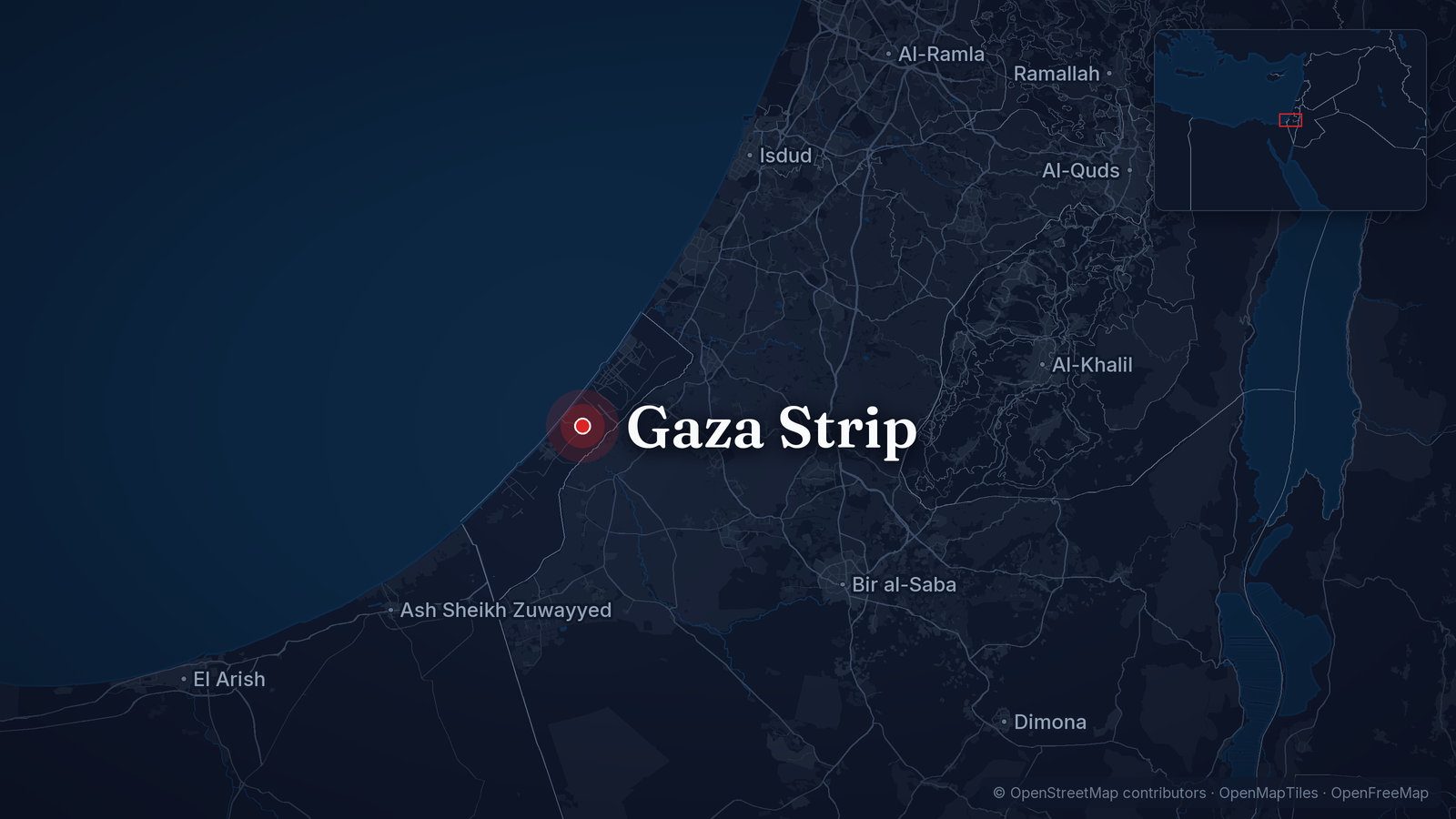
3 West Asian1 African1 OtherMap: © OpenStreetMap contributors, ODbL · Cropped for layout
This article is an automated aggregation of coverage from news outlets. Our editorials offer in-depth analysis curated by the NewsCord team.
Winter approaching worsens humanitarian conditions; displaced in tents, shelters scarce, food and medical aid shortages. More than 1.6 million Palestinians in Gaza live in tents; urgent shelter, blankets, clothing needed.
Save coverage image
5 outlets told this the same way.
Outlets did split on Israel Airstrike Near Rafah Kills Hamas Leaders, Fire Kills Dozens of Palestinian Civilians →
Winter crisis in Gaza
Dr. Mohamed Abu Afash, Director of Medical Relief in the Gaza Strip, warned that the humanitarian situation in the Gaza Strip is worsening as winter approaches, with displaced people crowded into shelters and tents scarce, alongside shortages of food and medical assistance.
Abu Afash said Palestinian institutions suffer a severe lack of capabilities due to the occupation’s ban on bringing in tents, mobile homes, relief supplies, and medical items, and he warned that tents existing in the sector are being destroyed in yellow zones and in shelter areas at al-Mawasi.
Abu Afash warned that continued deterioration could lead to additional disasters, noting the death of two girls under conditions related to harsh living conditions.
Abu Afash said a number of displaced people’s tents were set up on the beach, making them vulnerable to seawater seepage and destruction as winter approaches.
Abu Afash said institutions provide advice to residents, including avoiding lighting fires inside tents and trying to designate a place outside them to light a fire, but he said applying these guidelines faces great difficulties due to lack of alternatives and the absence of basic life essentials.
Overcrowding and medicine gaps
Abu Afash said the previous days witnessed widespread displacement movement as a result of targeting areas around the Yellow Zone, which led to an increase in overcrowding in western Gaza City, Khan Younis, and other areas. Abu Afash said it was no longer possible for families to set up separate tents away from other families, increasing risks related to heating and cooking. Abu Afash said more than two thousand families live inside damaged and collapsing houses, despite advice given by municipalities, local councils, and civil defense to evacuate them.
Abu Afash said needs ahead of winter are large and increasing, including medicines, medical supplies, food, and tents, and he said rising fatigue among the Palestinian community is tied to harsh living and health conditions. Abu Afash said Palestinian institutions working in the sector are exerting all efforts and capabilities to provide aid, but he warned they face growing shortfalls amid reductions in food, medical, and humanitarian assistance for more than a year since the ceasefire, which has limited their ability to meet the needs of the population.
Aid access and shelter needs
Amy Pope, IOM Director-General, said the International Organisation for Migration is deeply alarmed by the devastating impact of winter rains and freezing temperatures on displaced Palestinians in Gaza, adding to the unparalleled humanitarian catastrophe. Pope said, "Vulnerable people, including at least seven infants, have died from hypothermia," and she said the deaths underscore the urgent need for shelter and other help to get to the people of Gaza immediately. Pope said heavy rains and flooding have overwhelmed displacement sites and makeshift shelters, and she said systematic access constraints have severely hindered aid delivery, with only 285,000 people receiving shelter support since September 2024.
The Shelter Cluster estimates at least 945,000 still urgently need winterisation assistance such as thermal clothing, blankets, and tarps to seal-off shelters from the rain and cold, according to the IOM report. Abu Afash said more than 1.6 million Palestinians in the Gaza Strip are living in tents and urgently need shelter, blankets and clothing as winter approaches, while he said restrictions on humanitarian deliveries had further aggravated the situation.