Europeupdated 24m ago3 min read
Archive photo · 16 March 2025Micheál Martin Warns Hybrid Attackers Seek Confusion as 50 Leaders Meet in Dublin
3 Western Mainstream2 Local Western1 Other1 West AsianPhoto: CAPTAIN RAJU, CC0 · Cropped for layout
This article is an automated aggregation of coverage from news outlets. Our editorials offer in-depth analysis curated by the NewsCord team.
Hybrid attacks aim to sow confusion among about 50 European leaders in Dublin. Dublin hosts European Political Community summit with leaders from over forty countries.
Save coverage image
7 outlets in this story. Read their headlines below.
Outlets did split on US Asks Russia for New Europe Security Proposal After Putin Talks, Dmitriev Says →
Dublin summit and hybrid threats
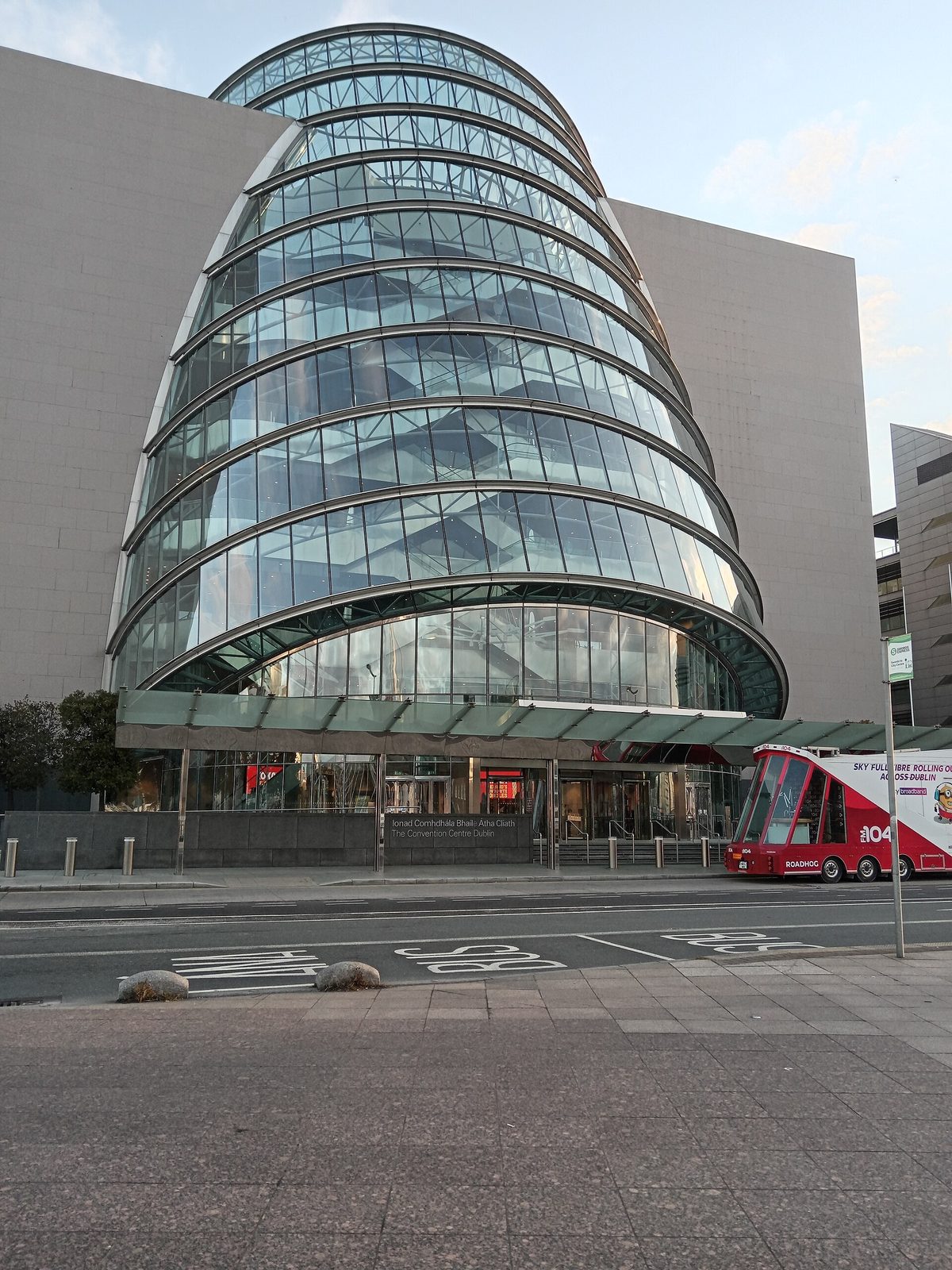
Micheál Martin told 50 leaders gathered in Dublin for the European Political Community that Europe’s security has been "fundamentally reshaped" by Russia’s war in Ukraine. Micheál Martin said those responsible for recent attacks seek to "create confusion, sow division and weaken public confidence in our democratic systems" as leaders met amid a growing number of hybrid attacks across the continent. Ursula von der Leyen and Mark Rutte attended the EPC meeting at the Convention Centre in Dublin, where the summit theme was "Europe – strong, secure, and connected".
The summit agenda in Dublin included discussion of economic security, Ukraine, hybrid activity in Europe and democratic resilience, with hybrid warfare described as non-military methods such as cyber attacks, sabotage or misinformation. The Republic of Ireland’s Prime Minister Micheál Martin said the EPC was established in 2022 after Russia’s full-scale invasion of Ukraine and meets twice a year, as leaders also addressed a new U.S.-backed effort to revive talks between Russia and Ukraine.
Representation in Russia talks
Steve Witkoff said Russian President Vladimir Putin agreed to let European representatives join the next round of Ukraine discussions following a meeting in Moscow, and the EPC leaders debated who should represent Europe in those talks.
Andy Burnham pledged his "complete support" to Ukrainian President Volodymyr Zelenskyy and said he would push for European representation in the US-brokered talks.
Jared Kushner criticized the lack of a single voice in the bloc, saying, "if Europe could designate one person to speak on its behalf, that would be a greater achievement than getting the Russians to include them in the negotiation."
Zelensky said Europeans should be part of the conversations, valuing positively "that Europeans are now part of these conversations," though he said they were not yet "directly."
António Costa recalled European demands at the close of the day as "First, achieve a ceasefire. Second, restore navigation in the Black Sea. Third, create the conditions for a peace agreement."
Security operation and policing
Ireland mounted the largest and most extensive policing and security operation in the history of the state as parts of Dublin city centre were closed off and traffic disruption followed bomb threats and hoaxes. Garda Commissioner Justin Kelly said police had organised "the largest and most extensive policing and security operation in the history of the state to keep people safe" while the EPC summit took place Thursday and an informal meeting of European Union leaders followed on Friday. Police figures showed Ireland would carry out more than 15,000 12-hour shifts during the operation, with over 500 armed tactical officers deployed and more than 500 public-order police on duty each day.
Kelly said investigators had not established who was behind the recent threats, and he warned that "The point of individuals or entities behind these is to sow discord, is to try and try to destabilise our democracies". The operation included specialist police units supported by the military and the National Cyber Security Centre, with additional assistance from police in Latvia, Portugal and Northern Ireland, and it also involved specialist drone and counter-drone capabilities and explosives detection dogs.