Financeupdated 14m ago3 min read
MapECB Representative Says Lagarde Exit Won’t Delay Digital Euro, First Issuance Aims for 2029
9 Other3 Western Mainstream2 Western Alternative1 AsianMap: © OpenStreetMap contributors, ODbL · Cropped for layout
This article is an automated aggregation of coverage from news outlets. Our editorials offer in-depth analysis curated by the NewsCord team.
Lagarde's departure will not delay the digital euro; pilot starts next year. Legislation must be agreed by year-end 2026 to keep 2029 issuance on track.
Save coverage image
Lagarde exit, digital euro
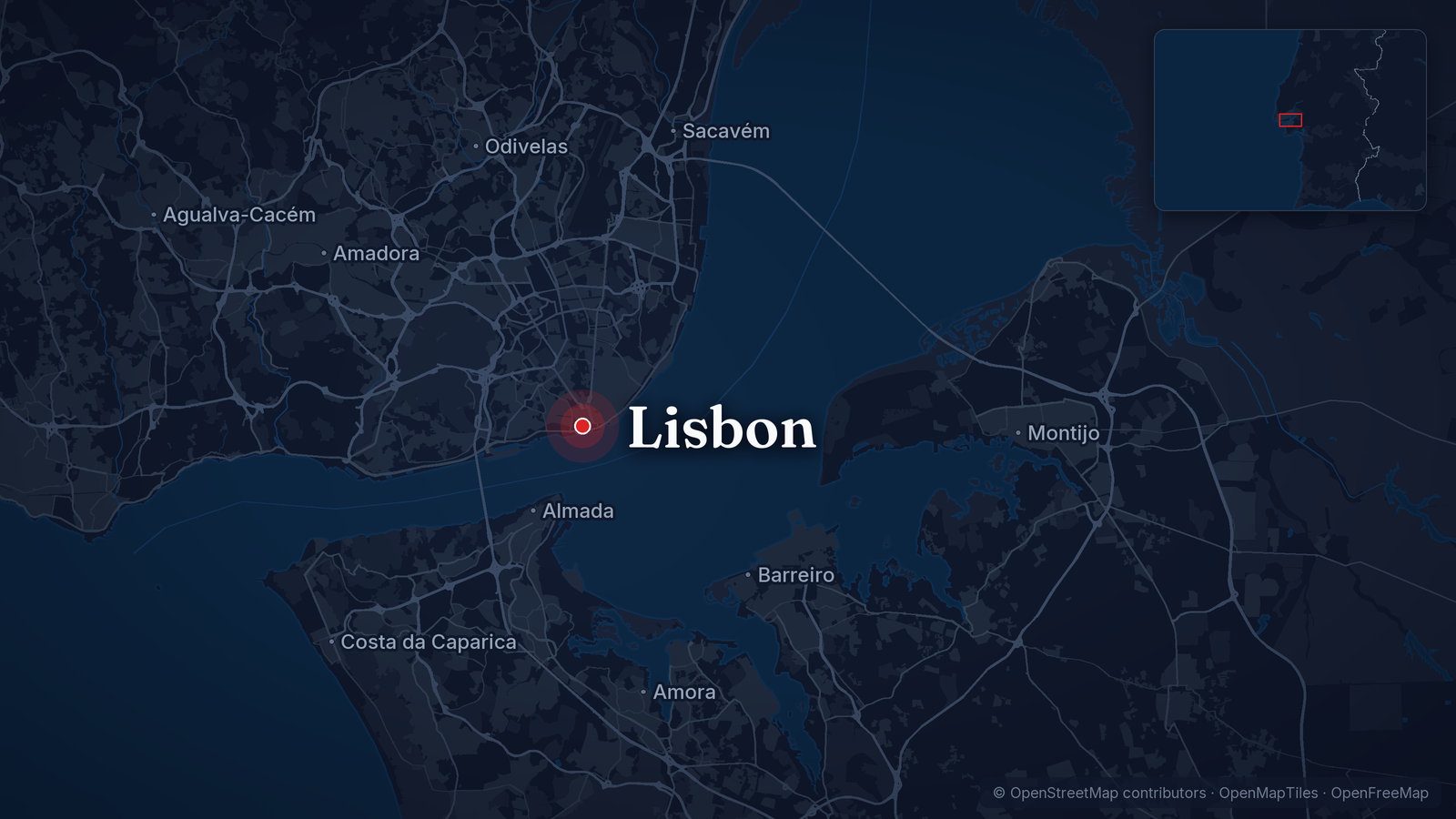
Christine Lagarde’s early departure as President of the European Central Bank will not delay the digital euro, an ECB representative said at the Web Summit in Lisbon. Alessandro Giovannini, an adviser to the head of the digital euro project, said, "I am not concerned that any change will affect the project because it is strategic," while describing the digital euro as a "European project" rather than an ECB-only initiative. Giovannini said the ECB aims to be ready for the first issuance of the digital euro in 2029, with a pilot programme beginning next year and European lawmakers committed to reaching an agreement on necessary legislation by the end of 2026.
The ECB selected 36 banks and payment companies, including Deutsche Bank, UniCredit and Stripe, to participate in a 12-month pilot programme beginning in the second half of 2027, and it selected network service providers including Nexi and Telefonica to provide connectivity to the platform. Giovannini said the first pilot transactions will take place "in less than a year," and he added that the shared infrastructure will be "funded by the ECB" and "provided free of charge by the ECB to everyone."
Cipollone warns on timing
Piero Cipollone, an ECB Executive Board member, warned the European Parliament that delays in adopting the digital euro legislation could push the first issuance beyond 2029. Cipollone told lawmakers, "If adoption of the legislation is delayed, the introduction of the digital euro could also be delayed," while urging negotiations on the "single currency package" to be concluded this year. Cipollone said adoption of the legislation would provide the legal certainty needed to complete preparatory work, and he warned that a postponed issuance could increase Europe’s reliance on foreign payment providers.
The European Parliament’s Committee on Economic and Monetary Affairs adopted its position in a June vote by 43 to 14, with one abstention, and the Parliament’s plenary approved the start of negotiations with member states in July. Cipollone also said foreign firms dominate a significant share of euro-area card payments, and he stated, "foreign companies control two-thirds of euro-area card payments."
Legislation, pilots, and costs
The ECB said developing the digital euro will cost approximately €1.3 billion by the time it is first issued, while annual operating costs are expected to reach around €320 million from 2029. The ECB said these costs would be covered by central banks across the eurozone, as is already the case with the production and distribution of banknotes. The ECB said the digital euro is intended to reduce Europe’s dependence on international card payment networks such as Visa and Mastercard, and it cited a claim by ECB Executive Board member Piero Cipollone that in 13 eurozone countries, card payments made in shops are processed entirely by non-European companies.
The ECB also said the digital euro will not earn interest, and Giovannini said, "Just as you do not earn a return on your banknotes, you will not earn a return on the digital euro." The ECB said the digital euro’s timeline depends on EU legislation, and it warned that without the legal framework the ECB cannot put a digital euro into circulation, with Cipollone telling MEPs, "Without the legislation, the ECB cannot put a digital euro into circulation."