
Full story
Rogers vs AIPAC
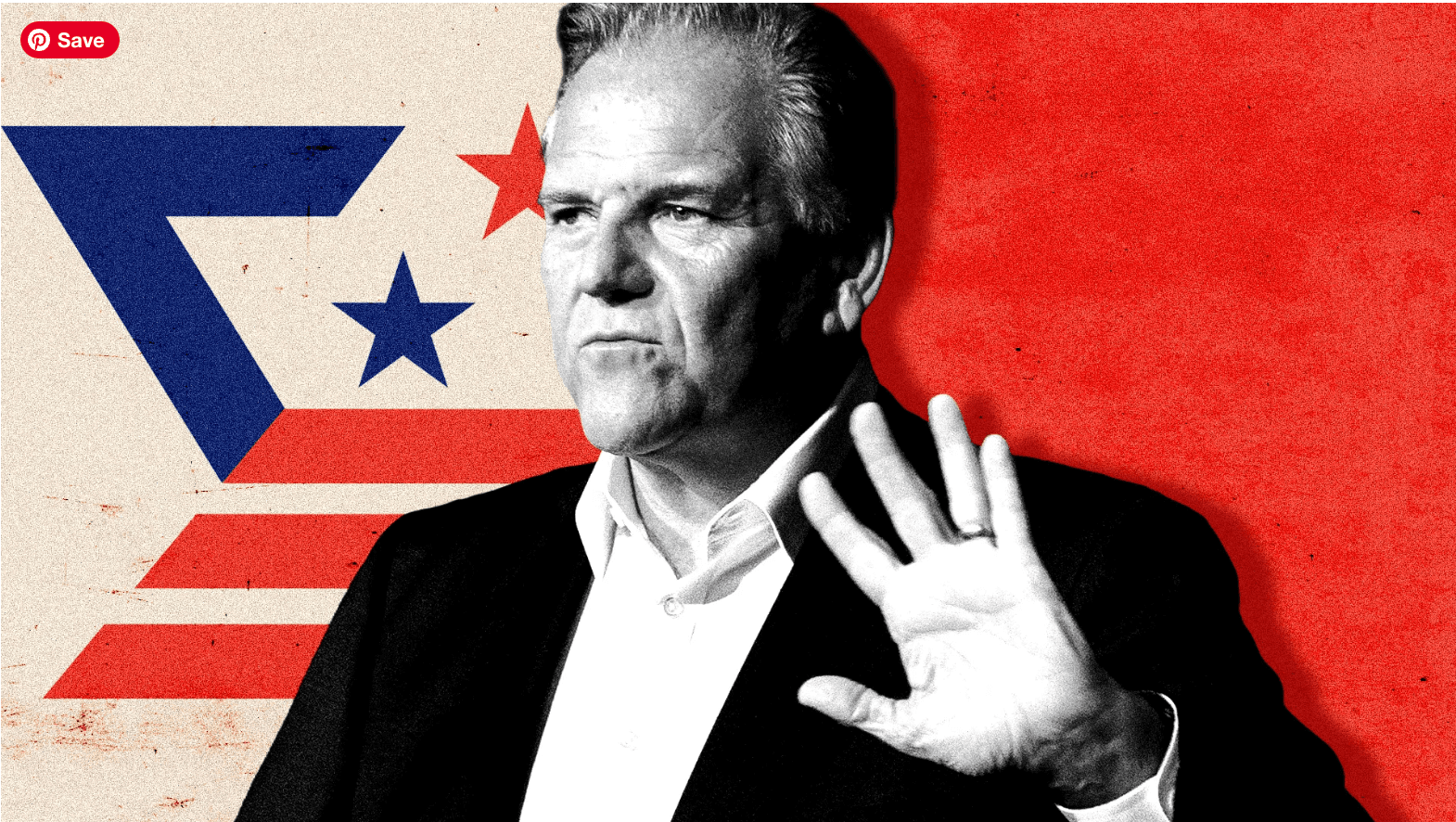
Republican Senate nominee Mike Rogers’ campaign urged the American Israel Public Affairs Committee (AIPAC) not to run advertisements against Democratic rival Abdul El-Sayed, according to an Axios report cited by Newsweek.
“Rogers spoke with AIPAC chair Michael Tuchin last week”
Newsweek reported that Rogers spoke with AIPAC chair Michael Tuchin last week, shortly before AIPAC decided not to move forward with a prepared advertisement targeting El-Sayed.

The same Newsweek account said the decision angered AIPAC officials, who said they were prepared to spend millions more to ensure El-Sayed is not elected, and that Rogers will face El-Sayed in November in a closely watched race that could help determine control of the Senate.
Newsweek also said El-Sayed won the primary against Representative Haley Stevens earlier this month, in a race that saw around $30 million from AIPAC and affiliated groups such as United Democracy Project (UDP).
Ad halt and quotes
The Washington Examiner, citing Axios, said Rogers met with AIPAC’s Board Chair Michael Tuchin and that one day later AIPAC pulled a planned advertisement hammering Democratic nominee Abdul el Sayed from the Michigan airwaves.
In the Newsweek account, AIPAC spokesperson Deryn Sousa told the outlet, "We appreciate [former] Rep. Mike Rogers' welcoming of pro-Israel support," and said, "we will be looking at every option to make the case that El-Sayed's policies are bad for Michigan and bad for America."
Newsweek also quoted Rogers telling Axios, "I welcome any and all support from the pro-Israel community and I'm proud to have their involvement," while reporting that talks between Rogers and AIPAC have since halted.
The Washington Examiner further framed the dispute as AIPAC’s influence expanding beyond the Democratic primary, after differences toward Israel became a focal point between el Sayed and Rep. Haley Stevens (D-MI).
Money, stakes, and scrutiny
Newsweek said Democratic primary voters this cycle delivered victories to candidates running against rivals backed by AIPAC and its affiliated organizations, including in Michigan’s Democratic primary where UDP had spent nearly $15 million with roughly two-thirds backing Stevens and the remainder aimed at defeating El-Sayed.
“"between Abdul and Haley Stevens. It is Abdul vs. AIPAC."”
Newsweek reported that Senator Bernie Sanders described the Democratic primary as not a race "between Abdul and Haley Stevens. It is Abdul vs. AIPAC," and it quoted Third Way executive vice president for policy Jim Kessler saying, "It is important to remember that no state has a higher percentage of Arab-American residents in the U.S. than Michigan."
In the Daily Kos account, AIPAC-backed spending in the Democratic Senate primary was described as $36,280,260 for Haley Stevens, and it said El-Sayed "squeaked out a victory" despite that backing.
The Al-Jazirah Net piece added that Rogers’ move was interpreted as driven by fears that publicly backing AIPAC could become a weakness in the November 3 election, as Rogers runs in Michigan and a Fox News poll showed 55% of Michigan voters oppose continuing U.S. aid to Israel.