Full story
Ghalibaf in Baghdad
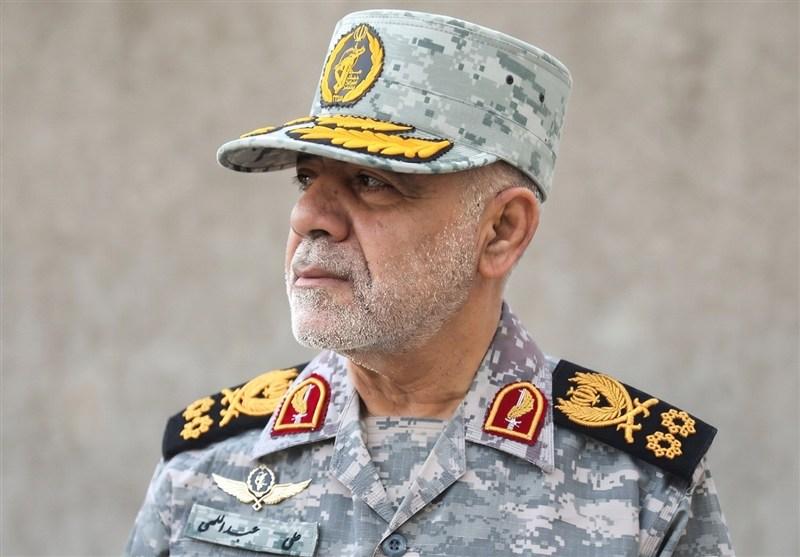
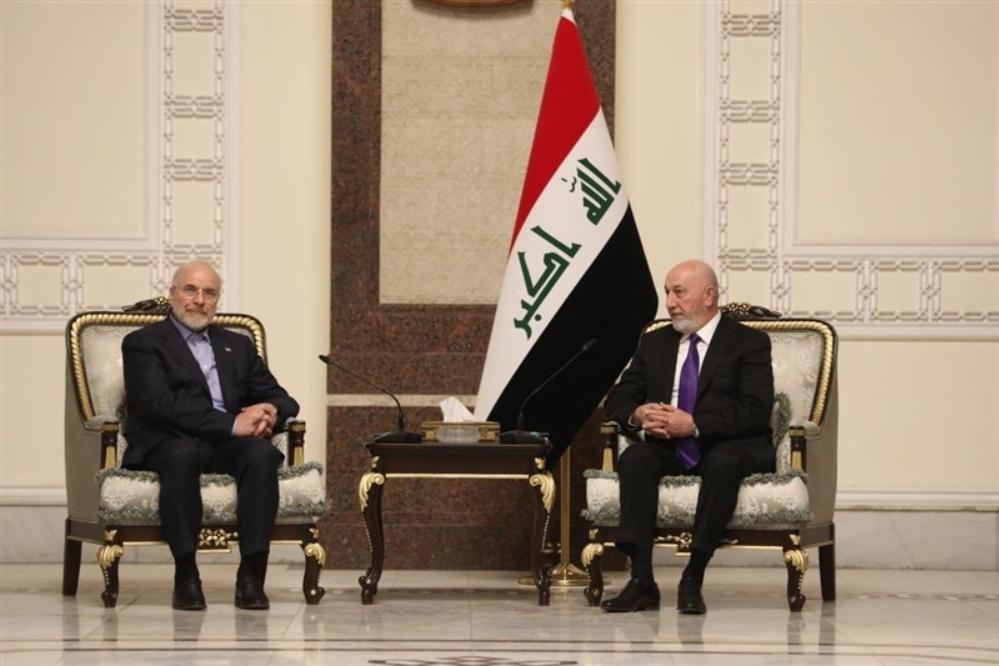
Iranian parliament speaker Mohammad Bagher Ghalibaf arrived in Baghdad on Wednesday for a three-day official visit as Iraq and Iran discuss cooperation ahead of a disarmament deadline for militias.
“Ghalibaf was received at the airport in Baghdad by the first deputy speaker of Iraq's parliament, Adnan Faihan al-Dulaimi”
Ghalibaf was received at Baghdad International Airport by the first deputy speaker of Iraq's parliament, Adnan Faihan al-Dulaimi, and he later met Iraqi Prime Minister Ali al-Zaidi, according to the Iraqi government and the Iraqi News Agency.

In remarks carried by Mehr, Ghalibaf said, “The interference of foreigners and extra-regional actors is rapidly decreasing,” and he asserted that American forces are seeking a dignified exit plan from the region.
The visit also included a stop at the site where Islamic Revolutionary Guard Corps Quds Force commander Qasem Soleimani and Kataib Hezbollah head Abu Mahdi al-Muhandis were killed in a US drone strike in Baghdad in 2020.
Al-Monitor said the trip came as IRGC Quds Force commander Esmail Qaani had visited Iraq last week to help Iran-backed militias retain their weapons while avoiding a confrontation with the Iraqi state over the issue.
Accountability and oil
During talks in Baghdad, Iraqi Prime Minister Ali Falih al-Zaidi and Ghalibaf explored ways to expand cooperation between Iraq and Iran, with al-Zaidi highlighting historical, geographical and religious ties and praising Iran’s support during the war against ISIS.
Shafaq News reported that Ghalibaf thanked the Iraqi government for facilitating the entry and movement of Iranian pilgrims during the Arbaeen pilgrimage, and it said he had held separate talks with Iraqi President Nizar Amedi and Parliament Speaker Haibet Al-Halbousi.

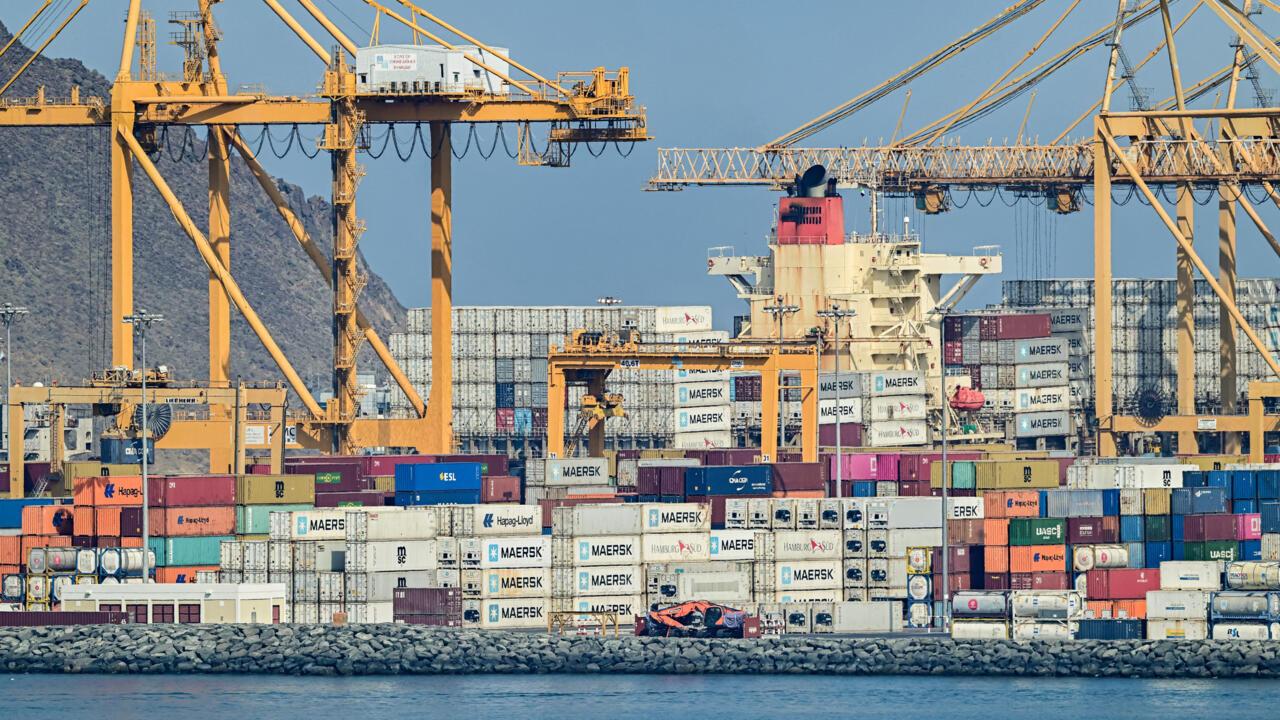
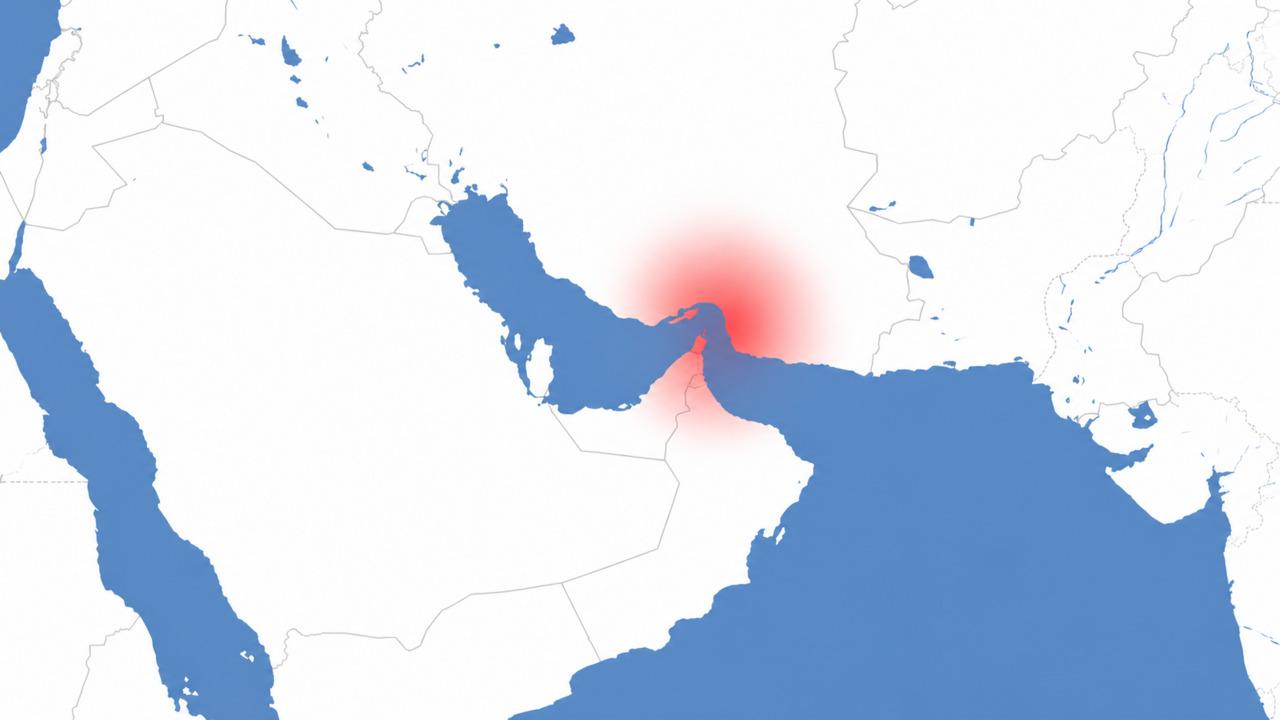
The National reported that Haibat Al Halbousi asked Iran to make special arrangements for Iraqi oil exports through the Strait of Hormuz, citing the “nature of the relationship” between the neighbouring countries.
In Baghdad, Ghalibaf told reporters, “Iraqi and Iranian blood was spilt in this place by the American government,” and he said the forces of right and wrong clashed there.
The National also said the visit unfolded during escalating rhetoric between the Iraqi government and Iran-backed militias over disarmament, with a September 30 deadline for militias to hand over weapons and fully integrate into the state security apparatus.
Disarmament stakes
Multiple outlets linked Ghalibaf’s Baghdad visit to the weapons dispute inside Iraq, where the end of September is set as a target for advancing a plan to restrict weapons to official state institutions.
“Barzani condemned the attacks as “reckless and unacceptable” and a “dangerous escalation and a direct threat to the region's security and stability.””
The Arab Weekly said Zaidi faces mounting pressure and reported threats over his determination to bring Iraq’s powerful armed factions under state control, and it described the dispute as entering a more dangerous phase.
In the same reporting, the Arab Weekly said Kurdish authorities accused drones launched from Iran after attacks targeted the office of Kurdistan Region Prime Minister Masrour Barzani and the residence of the region’s intelligence director in Erbil, and it quoted Barzani condemning the attacks as “reckless and unacceptable” and “a dangerous escalation and a direct threat to the region’s security and stability.”
The Arab Weekly also said Iranian Foreign Minister Abbas Araghchi told Iraqi Foreign Minister Fuad Hussein that “he does not possess information indicating the attacks originated from Iranian territory,” and that “there is no justification for such actions.”
As the disarmament deadline approaches, Al-Monitor said only three militias, including the influential Asaib Ahl al-Haq, have agreed to turn over their weapons, while many of Iran’s most powerful proxies in Iraq, including Kataib Hezbollah, have not agreed to the plan.