
Mohammad Bagher Ghalibaf Says US And Israel Ceasefire Violations Block Reopening Strait Of Hormuz
Key Takeaways
- Strait of Hormuz cannot be opened due to ceasefire violations by US and Israel.
- Ghalibaf is Iran's Parliament Speaker and chief negotiator.
- US and Iran impose separate blockades obstructing shipping through the strait.
Hormuz blockade standoff
Iran’s chief negotiator Mohammad Bagher Ghalibaf said it is “not possible” to reopen the Strait of Hormuz because of “the blatant violations of the ceasefire” by the US and Israel, arguing that the “violations” include the US naval blockade of Iranian ports.
“- Published Iran's chief negotiator in talks with the US said it is "not possible" for the Strait of Hormuz to be opened due to "the blatant violations of the ceasefire" by the US and Israel”
In a post on X, Ghalibaf said the blockade amounted to taking the global economy “hostage” and accused Israel of “warmongering” “on all fronts.”
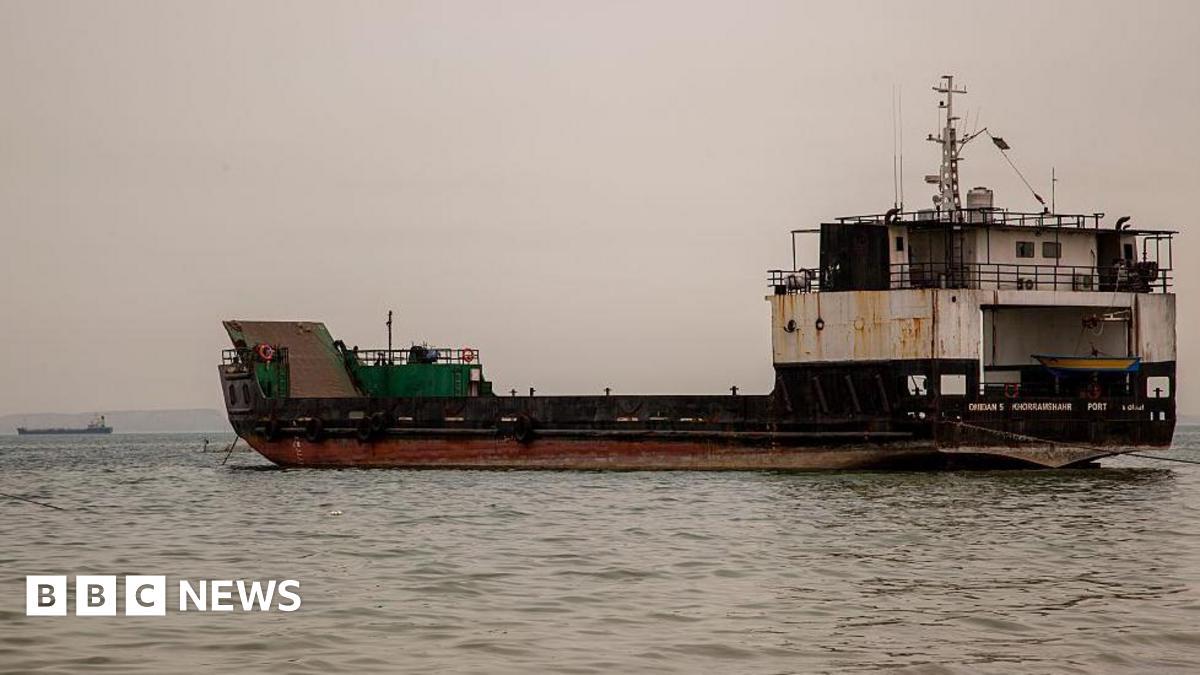
The BBC reported that Iran remains open to negotiations, with Iran President Masoud Pezeshkian saying “breach of commitments, blockade and threats are main obstacles to genuine negotiations.”
The BBC also described how it appeared early Tuesday that the US and Iran would hold new peace talks in Pakistan this week, but that they “have yet to begin,” while Vice-President JD Vance “remains in the US.”
On Tuesday night, US President Donald Trump announced an extension to the US-Iran ceasefire that was due to expire on Wednesday, and White House Press Secretary Karoline Leavitt later clarified the extension is open-ended with “no new deadline.”
The BBC added that clashes continued in the waterway, with Iran announcing it had “seized” two ships in the strait and taking them for “inspection.”
Seizures and ship attacks
Alongside Iran’s stance on reopening the strait, the BBC described a sequence of ship incidents in the Strait of Hormuz that included both reported attacks and Iranian seizures.
The BBC said that on Wednesday morning, Iran stated that two cargo ships were taken in the Strait of Hormuz for “inspection,” following reports of attacks on three cargo ships in the strait.
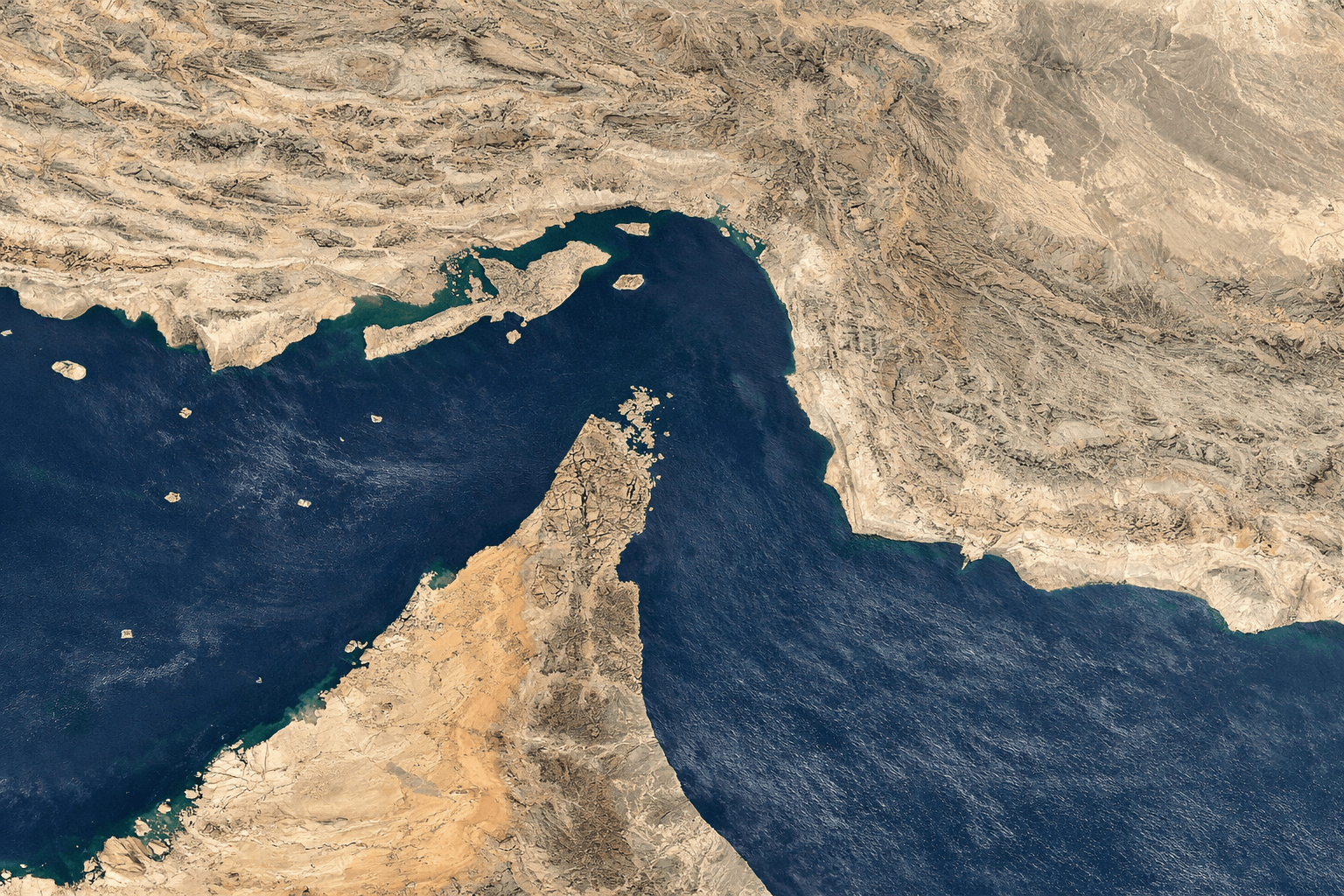
It reported that Euphoria, one of the three container ships attacked earlier, appeared to have dropped anchor near a port in the United Arab Emirates, based on MarineTraffic tracking data analyzed by BBC Verify.
The BBC added that UAE-owned Euphoria was attacked eight nautical miles west of Iran, according to the maritime security firm Vanguard, and that no damage or injuries to crew were reported.
Iran did not comment on Euphoria, but the BBC said Iran “has said it seized the other two vessels - MSC Francesca and Epaminondas - both of which reported damage resulting from the attacks.”
The BBC quoted an Iranian Revolutionary Guard Corp (IRGC) Navy statement saying the ships were “operating without authorisation” and committed “repeated violations,” accusing them of trying to leave the Strait of Hormuz “in secret” and tampering with navigation systems.
The BBC also reported that Greek Foreign Minister Giorgos Gerapetritis later confirmed that the Epaminondas, a Greek-owned ship, had been attacked, saying, “I can confirm that there was an attack against the Greek cargo ship, but I cannot confirm that this has been seized by the Iranians,” to CNN.
Ceasefire extension and talks
The BBC and Guardian both tied Iran’s position to the ceasefire and to the prospect of renewed diplomacy, even as the two sides imposed separate forms of pressure on the shipping route.
“Güneşli April 24, 2026 The Speaker of the Iranian Parliament, Mohammad Bagher Ghalibaf, said that his country will not open the Strait of Hormuz as long as what he described as grave violations of the ceasefire continue, stressing that the solution lies in respecting Iran's rights”
The BBC said Trump announced an extension to the US-Iran ceasefire due to expire on Wednesday, and that Leavitt later clarified it is open-ended with “no new deadline.”
The Guardian described Trump’s move as extending the ceasefire until Iran’s leaders came up with a “unified proposal” to US negotiating positions, while noting that he had earlier threatened to renew bombing.
The Guardian also said the standoff over the strait—through which “about 20% of the world’s oil and liquefied fossil gas passed during peacetime”—raised doubts about whether stalled peace negotiations will resume.
In the Guardian’s account, Mohammad Bagher Ghalibaf said reopening the strait would be “impossible” while the US and Israel committed “flagrant” breaches of the ceasefire, including the US naval blockade and “the hostage-taking of the world’s economy” and “Zionist warmongering.”
The Guardian further reported that the White House press secretary Karoline Leavitt said Trump was “satisfied” with the US naval blockade of Iranian ports and “understands Iran is in a very weak position.”
The BBC added that it appeared early Tuesday that the US and Iran would hold new peace talks in Pakistan this week, but that they “have yet to begin,” and it noted that JD Vance “remains in the US.”
Voices: Iran, US, and critics
Across the reporting, the dispute over Hormuz was framed through competing statements from Iranian officials, US officials, and named external voices.
The BBC reported that Iran President Masoud Pezeshkian said “breach of commitments, blockade and threats are main obstacles to genuine negotiations,” while Mohammad Bagher Ghalibaf argued in his X post that the US naval blockade amounted to taking the global economy “hostage” and that Israel was “warmongering” “on all fronts.”
The BBC also quoted Karoline Leavitt saying Trump was “satisfied” with the ongoing US naval blockade against Iran and “understands Iran is in a very weak position,” and it recorded her response to reporters asking when the war would end: “and he will do so when he feels it's in the best interests of the United States and the American people”.
The Guardian echoed the Iranian framing by quoting Ghalibaf’s claim that reopening the strait would be “impossible” while the US and Israel committed “flagrant” breaches, including “the hostage-taking of the world’s economy” and “Zionist warmongering.”
The BBC also included a named US policy voice, Andrew Peek, a former State Department deputy assistant secretary, who said, “The strategic disadvantage at the moment is that Iran has decided that the measure of victory has become control of the Strait of Hormuz.”
The BBC added that Peek told the BBC the “bright side” was that “President Trump has managed the stock market effectively, though gas prices have ticked up about a dollar in some places.”
Consequences and next moves
The BBC described how the lack of a timeline in Washington could shape the next phase of the standoff, while also noting personnel changes in the US Navy leadership.
“- Published Iran's chief negotiator in talks with the US said it is "not possible" for the Strait of Hormuz to be opened due to "the blatant violations of the ceasefire" by the US and Israel”
It said the White House lack of a timeline—either for a return to negotiations in Pakistan or to kinetic strikes against Iran—is “likely strategic,” because it gives the Trump administration “significant flexibility” to let the blockade and “the economic stranglehold on Iran bite.”
The BBC reported that Leavitt said this would allow “pragmatists” in Iran to come up with a peace proposal without pushback from hardliners, while also allowing Trump to avoid a return to “full-scale military action” that many Americans are weary of and that could “upset already nervous global markets.”
The BBC then shifted to US defense administration changes, saying that on Wednesday the US Defense Department announced that the US Secretary of the Navy would depart his post “effective immediately,” with no reason given for John Phelan’s ouster.
The Guardian’s “First Thing” section also reported the Pentagon announcement that John Phelan, the secretary of the navy, was leaving his job, quoting Sean Parnell that Phelan was “departing the administration, effective immediately,” and adding that Hung Cao would become acting secretary.
The Guardian further reported that sources told it Phelan was fired, and that Hegseth blamed Phelan for not going aggressively enough against senator Mark Kelly, who appeared in a video advising troops to ignore “illegal orders.”
In the BBC’s account, the standoff continued in the strait, with Iran monitoring and warning of “firm” action against “violators,” while the BBC noted that MarineTraffic data analyzed by BBC Verify suggested Euphoria returned to sailing southwards after the reported time it was attacked.
More on Iran

Trump Orders U.S. Navy To Shoot And Kill Iranian Mine-Laying Boats In Strait Of Hormuz
15 sources compared

Donald Trump Orders U.S. Military To Shoot Iranian Mine-Laying Vessels In Strait Of Hormuz
15 sources compared
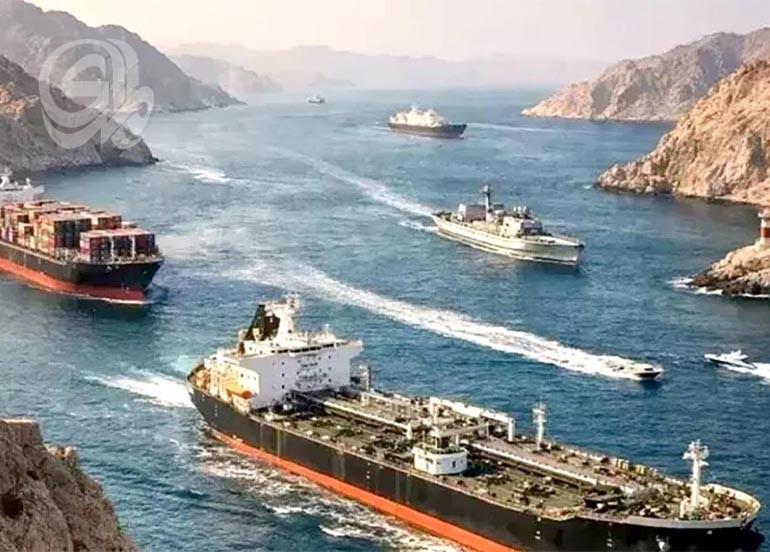
US Military Develops Plans To Target Iran’s Strait Of Hormuz Defenses If Ceasefire Fails
10 sources compared

Trump Says Iran’s Leaders Fight Like Cats and Dogs Amid U.S. Ceasefire Extension
24 sources compared