Mohammad Bagher Zolghadr Says Iran Will Not Retreat, Urges National Unity
Key Takeaways
- Iran's SNSC secretary says there will be no retreat or surrender.
- He calls for national unity and street demonstrations of resolve.
- Resilience spans battlefield, diplomacy, and the Iranian people.
No retreat, unity urged
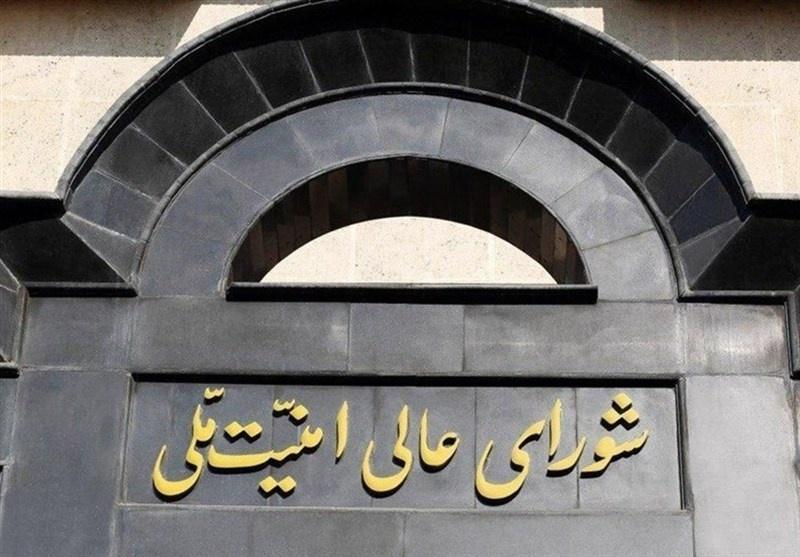
Iran’s top security official Mohammad Bagher Zolghadr said there is “not talk of surrender or retreat” and urged Iranians to preserve “national unity” in a message addressed to the Iranian nation on Monday.
Zolghadr said, “The battlefield, the diplomatic front, and the people who poured into the streets with steadfast resistance all proved this, leaving the enemy powerless,” and he added that “Now more than ever, the country needs unity and cohesion so that the Americans and Zionists are disappointed on this front as well.”
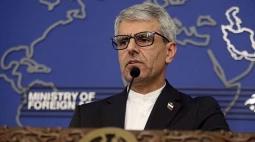
In the same reporting, Iranian Foreign Ministry spokesman Esmaeil Baghaei told reporters on Monday that indirect talks with the United States are centered on ending aggression on all fronts and that the nuclear issue or the management of the Strait of Hormuz are not to be discussed.
Baghaei said on Saturday that Iran and the United States have edged closer to finalizing a memorandum, halting American maritime aggression, and securing the release of Iran’s blocked assets, while PressTV described the criminal US-Israeli aggression against Iran as beginning on February 28 with airstrikes that assassinated senior Iranian officials and commanders, including Ayatollah Seyyed Ali Khamenei.
The reporting also said Iran shut down the Strait of Hormuz to its enemies and their allies following the unprovoked aggression, and it described a Pakistan-brokered temporary ceasefire taking effect on April 8 that was later extended unilaterally by Washington.
Internet restoration dispute
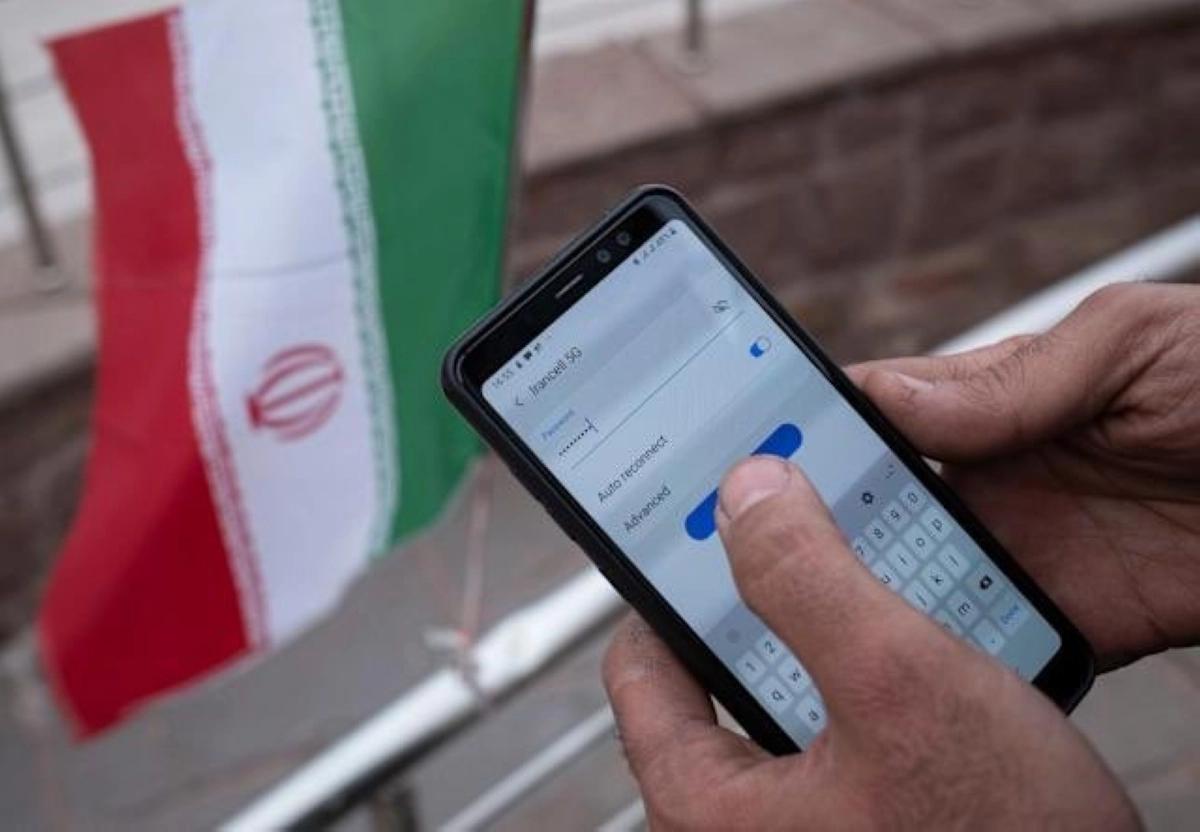
Iran’s ICT Minister Sattar Hashemi told Shargh daily that the process of restoring the country’s internet access to its pre-January status has begun, and the semi-official news agency ISNA said Pezeshkian's order to restore internet access is expected to be implemented on Tuesday.
The Iran International report said the IRGC-affiliated Fars News questioned the administration’s authority to issue such an order, arguing that the decision to restrict internet access was made by the Supreme National Security Council and must therefore be reversed by the same body.

It also said Pezeshkian's order came after the fourth meeting of the Special Task Force on Cyberspace Management ended with 9 votes in favor and 3 against reconnecting Iran to the global internet after more than 85 days of disruption.
The report named Peyman Jebelli, the head of Iran’s state broadcaster, and Mohammad-Amin Aghamiri, secretary of the Supreme Council of Cyberspace, as opponents of restoring international internet access, and it said Faraz reported that Jebelli and Aghamiri remained strongly opposed until the end of the meeting.
Iran International further reported that Aghamiri’s opposition was notable because the secretary of the Supreme Council of Cyberspace is appointed by the president, and it said Pezeshkian later kept him in the post.
Strait of Hormuz and oil
Oil prices fell by more than $2 in volatile trading on Monday as investors awaited clarity on the status of talks between the United States and Iran and remained concerned about ongoing supply declines due to shipping disruptions.
The Riyadh newspaper Jريدة الرياض said Brent crude futures slipped $1.92, or 1.76%, to $107.11 a barrel, while U.S. West Texas Intermediate (WTI) futures fell 1.82%, or $2.03, to $109.50 a barrel.
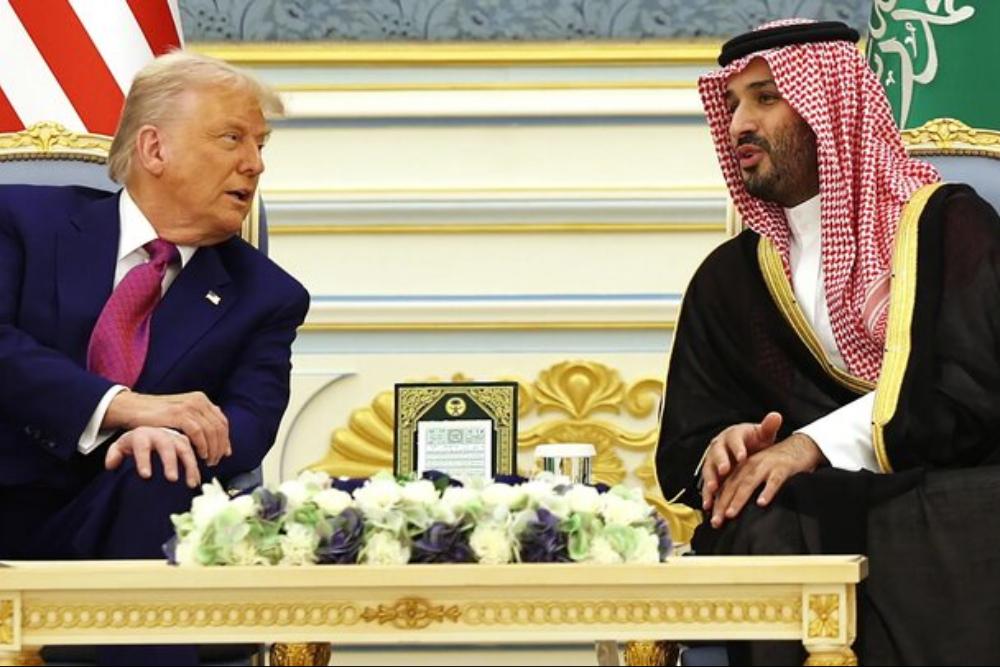
It reported that the United States and Iran accepted an outline framework to end hostilities, but Iran rejected reopening the Strait of Hormuz immediately after President Donald Trump threatened to “bring hell” on Tehran if no deal was reached by the end of Tuesday.
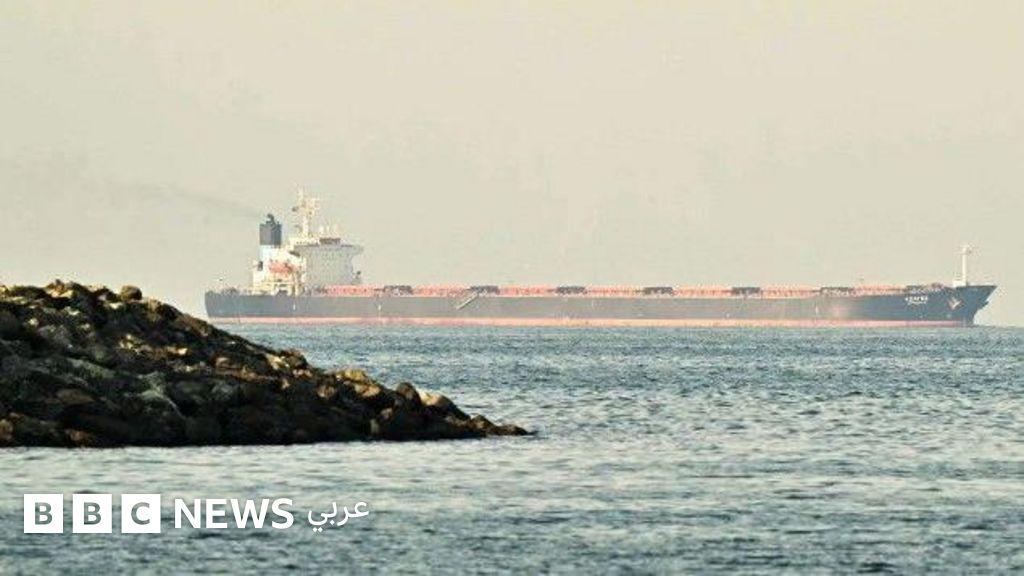
The same source said the Strait of Hormuz remains largely shut due to Iranian attacks on maritime traffic since the war began on February 28, and it added that some vessels, including an Omani tanker, a French container ship, and a Japanese gas carrier, have transited the Strait of Hormuz since Thursday.
Jريدة الرياض also quoted Mokesh Sahdev, founder and CEO of the consulting firm X-Analyst, saying, “The inability to open the Strait of Hormuz has become a political victory first and foremost,” and it said OPEC+ agreed to a modest increase of 206,000 barrels per day for May.
More on Iran
Masoud Pezeshkian Orders Restoration of International Internet Access After 87-Day Blackout
16 sources compared
Trump Says U.S. And Iran Are Moving Toward Deal To Reopen Strait Of Hormuz
23 sources compared
US And Iran Signal Progress In Talks To Reopen Strait Of Hormuz, Details Still Negotiated
60 sources compared

Trump Says US-Iran Deal Is Largely Negotiated, Framework Gives 60 Days
21 sources compared