Mohammad Baqer Qalibaf Says US Bullying Won’t Reopen Strait of Hormuz
Key Takeaways
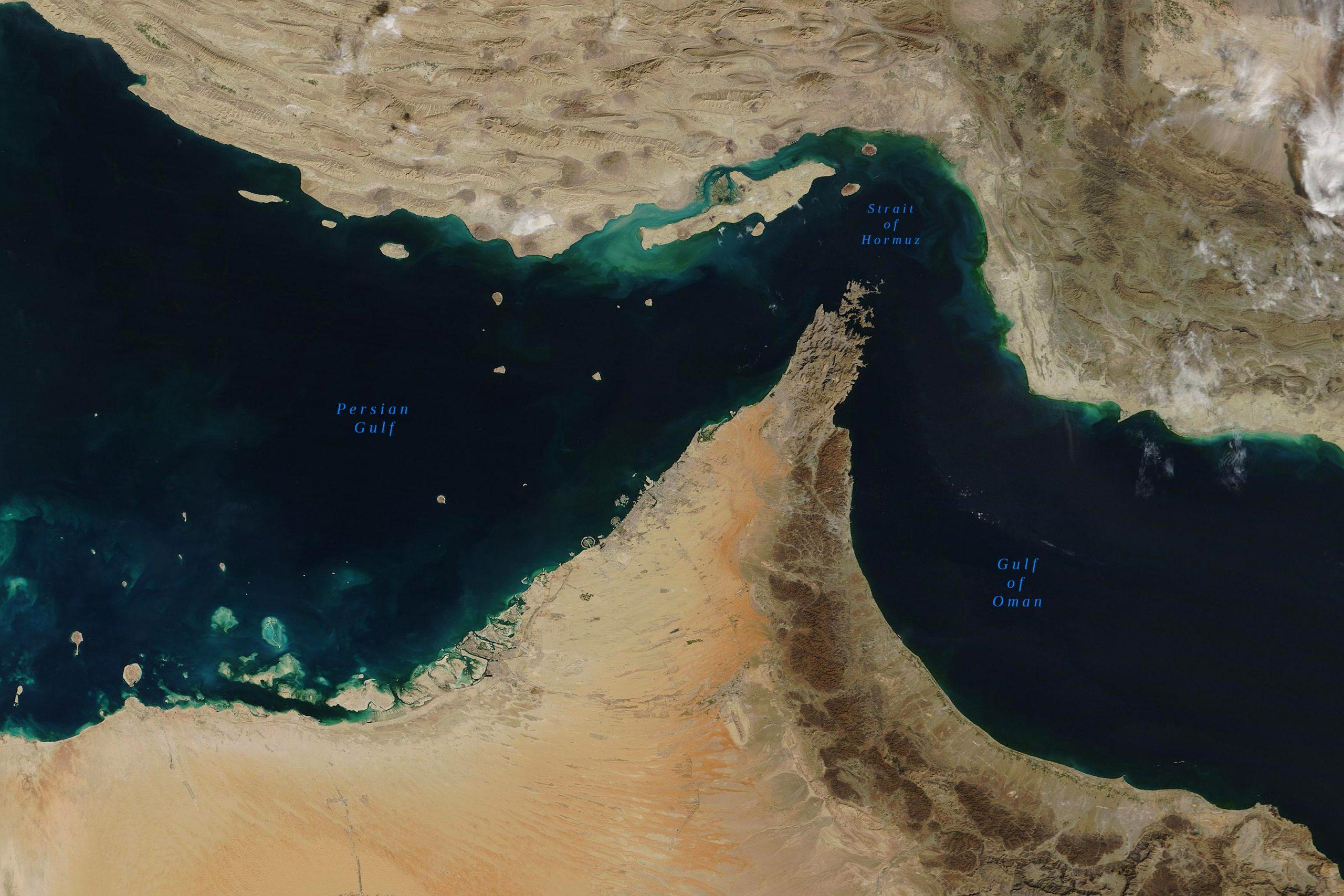
- Strait of Hormuz accounts for about a fifth of global oil supply.
- US demands reopening Hormuz; Iran resists bullying pressure.
- Ceasefire dynamics and US-Israel conflict frame Hormuz tensions.
Hormuz Standoff Escalates
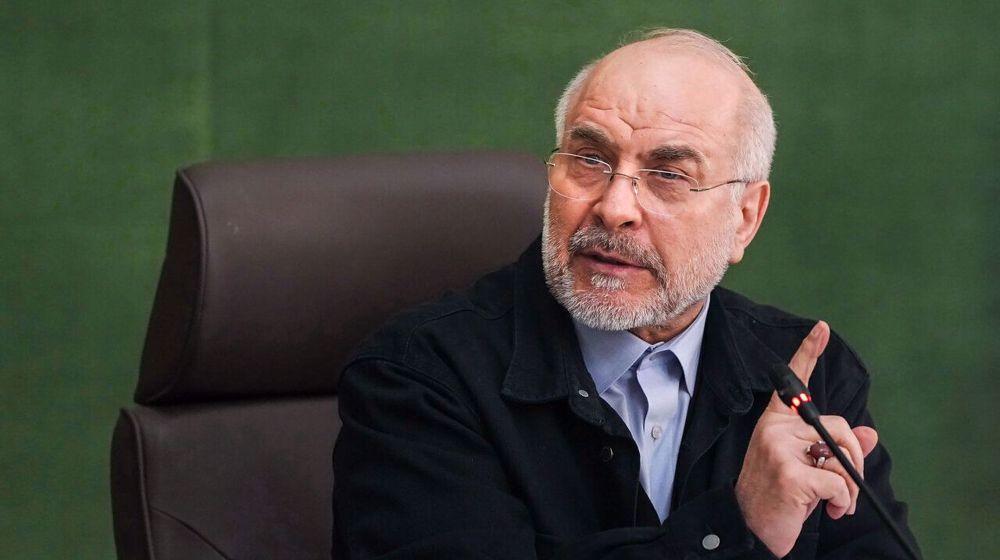
Iranian Parliament Speaker Mohammad Baqer Qalibaf said Iran will not open the Strait of Hormuz under “bullying” from the United States, arguing that reopening is “impossible” in the face of “blatant violations” of a ceasefire announced earlier this month.
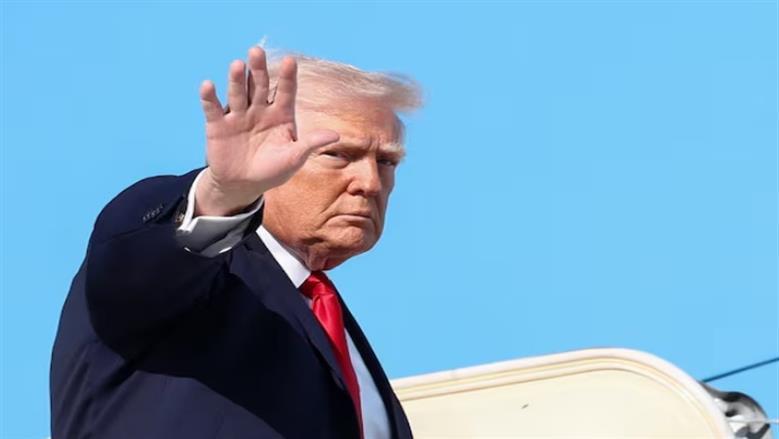
“US President Donald Trump has said he is “ready to go” back to war with Iran if no deal is reached by the end of the ceasefire tomorrow, raising the stakes as the fragile truce nears its expiry”
In a Wednesday post on his X account, Qalibaf said the reopening of the strait “will not be possible” while the US continues a blockade of Iran’s trade activity in international waters and Israeli attacks on Lebanon, which he cited as examples of ceasefire violations.

Qalibaf, who “has served as Iran’s top negotiator in talks with the US,” framed the dispute as a response to US-Israeli aggression, saying, “They failed to reach their objectives through military aggression, nor will they through bullying. The only solution is to accept the rights of the Iranian nation.”
The standoff is tied to a ceasefire timeline: a two-week ceasefire took effect on April 8 and a first round of Pakistan-mediated talks collapsed in Islamabad on April 12 without an agreement.
The US President Donald Trump unilaterally extended the ceasefire, and the White House said Trump wants a “unified” response from Tehran to US proposals for ending the US-Israeli war with Iran without setting a “firm deadline.”
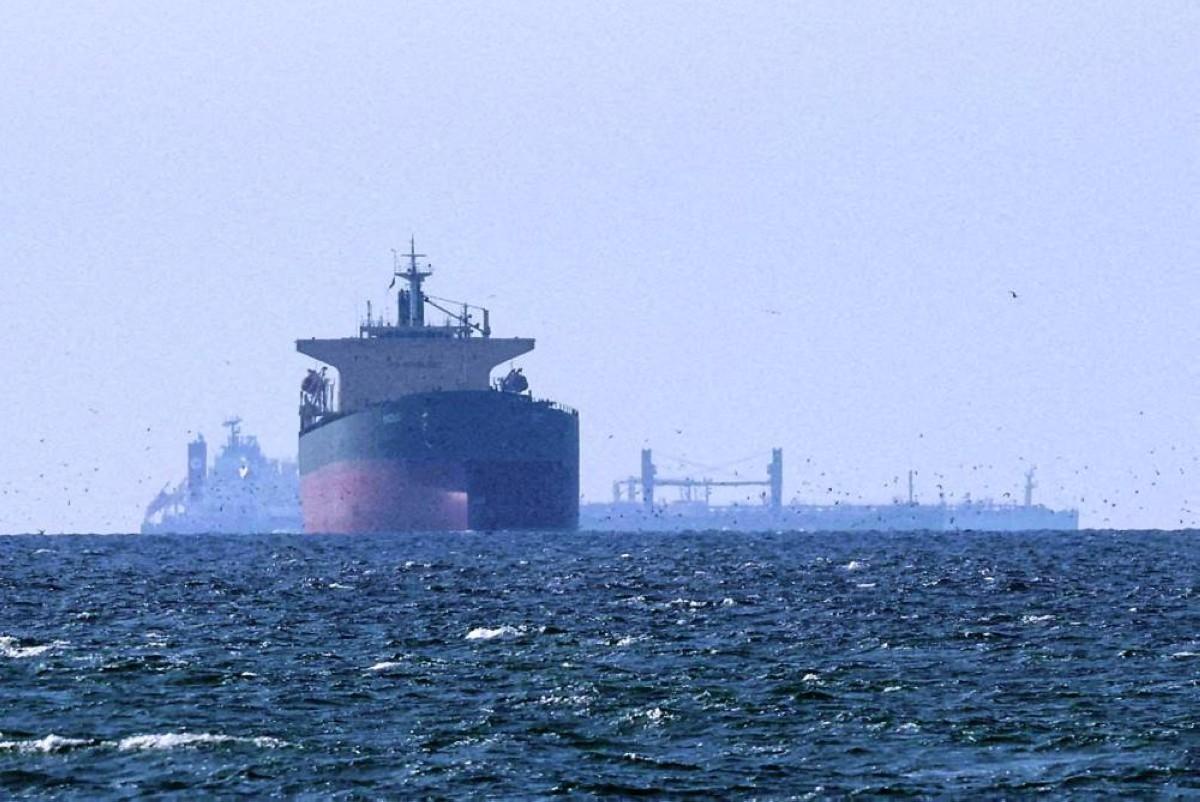
In the same period, Iran effectively shut the narrow strait “since shortly after the war began,” and the Strait of Hormuz “remains closed after Iran shut the vital waterway on Saturday,” reversing earlier assurances it was open for commercial traffic.
Trump’s Pressure and Threats
US President Donald Trump linked the Strait of Hormuz dispute to Iran’s finances, claiming Iran is “collapsing financially” and alleging it is losing “$500 million a day” amid tensions over the shipping route.
In a post on Truth Social, Trump wrote: “Iran is collapsing financially! They want the Strait of Hormuz opened immediately — starving for cash!”

He asserted that Iran’s stance is driven by economic pressure, saying, “Iran doesn’t want the Strait of Hormuz closed, they want it open so they can make $500 Million Dollars a day,” and he added that losses are mounting due to restrictions.
Trump also claimed the situation is influenced by a US-led blockade, writing, “They only say they want it closed because I have it totally BLOCKADED,” and he suggested that reopening the strait could weaken leverage in negotiations, stating, “If we do that, there can never be a Deal with Iran.”
In a stark warning, Trump added, “…unless we blow up the rest of their Country, their leaders included!”
The Mint report also described how the Strait of Hormuz “remains closed” after Iran shut the waterway on Saturday, and it said Tehran vowed to keep the strait closed until the United States lifts its blockade, dismissing Western calls to reopen the route.
Seizures, Attacks, and Shipping Disruption
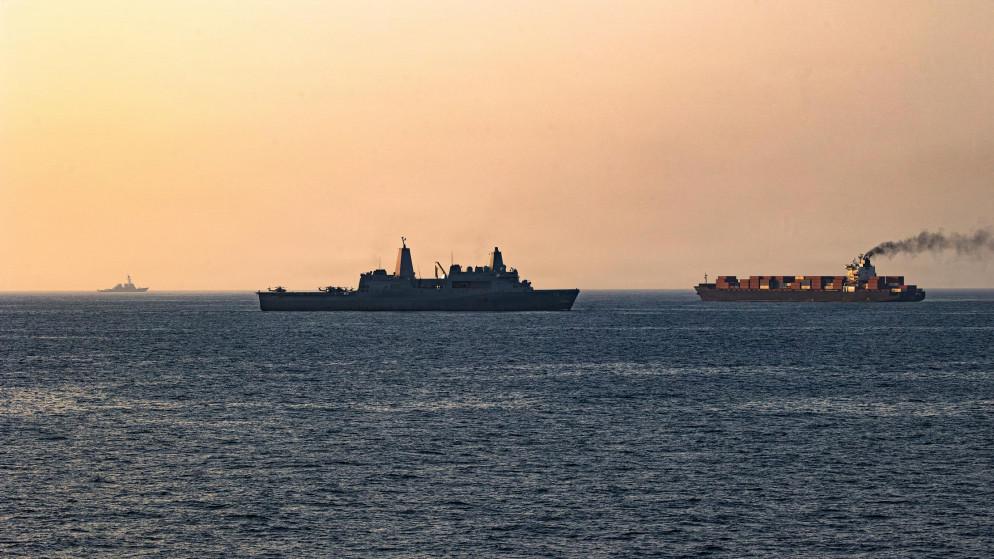
As the Strait of Hormuz dispute intensified, Iran’s Islamic Revolutionary Guard Corps said it seized two vessels and gunboats fired on another ship, according to the Mint report.
“US President Donald Trump claimed Iran is facing a severe financial crisis, alleging the country is losing “$500 million a day” amid tensions over the Strait of Hormuz”
The seized vessels were identified as MSC Francesca and the Liberian-flagged Epaminondas, and the report said the Epaminondas, managed by Technomar Shipping Inc., sustained bridge damage while its crew remained safe.
Mint also said the UK Maritime Trade Operations reported that multiple ships came under fire in the waterway, and it described Iran imposing strict controls requiring vessels to seek permission to transit the Gulf.
The report estimated that “around 800 ships” were stranded in the Persian Gulf, and it said the International Maritime Organization was working on evacuation plans “dependent on de-escalation.”
Radio Free Europe/Radio Liberty focused on the US side of the standoff, saying the White House described the ceasefire as continuing “with the military and kinetic strikes” while economic pressure and a US naval blockade remain in place.
Al Jazeera’s day-53 overview added that Tehran has signaled it will not negotiate “under the ‘shadow of threats’ or while a US naval blockade remains in place,” and it said the ceasefire will expire at midnight GMT Tuesday.
Diplomacy, Deadlines, and Conditions
Diplomatic efforts around the US-Iran ceasefire and talks have remained uncertain, with multiple reports describing both the US desire for a response and Iran’s refusal to negotiate under certain conditions.
Radio Free Europe/Radio Liberty said the White House press secretary Karoline Leavitt told reporters that Trump wants a “unified” response from Tehran and has not set a “firm deadline” for receiving an Iranian proposal, while asserting Trump is “offering a bit of flexibility.”
Leavitt also said there is “a lot of internal division” in Tehran, describing “a battle between the pragmatists and the hard-liners in Iran right now.”
PressTV reported that Iran has refrained from committing to a second round of negotiations with the US in Islamabad, with authorities citing “US excessive demands” and its naval blockade of Iran as two main impediments.
Al Jazeera’s overview said Pakistan’s information minister said Iran’s response on whether it will send a delegation is still awaited, and it described the US Department of State holding new talks on Thursday after the fragile ceasefire.
In the same Al Jazeera account, France’s Emmanuel Macron called the US and Iranian blockades of the Strait of Hormuz “a mistake on both sides,” while Russia called for the US-Iran ceasefire to be extended beyond its expiry on Wednesday.
Women’s Execution Claim and Broader Stakes
Alongside the Strait of Hormuz standoff, Trump also raised a separate issue involving eight Iranian women he said were facing imminent execution, and the dispute fed into the broader atmosphere around negotiations and pressure.
“We are now closing the live blog for the day”
Radio Free Europe/Radio Liberty reported that Trump said he learned that eight Iranian women “who were going to be executed tonight” would not be killed after he appealed to Tehran to release them, while Iran’s judiciary denied it and asserted that none of the women faced the death penalty.

RFE/RL quoted Trump’s Truth Social post from April 22: “Very good news! I have just been informed that the eight women protestors who were going to be executed tonight in Iran will no longer be killed. Four will be released immediately, and four will be sentenced to one month in prison,” and it added, “I very much appreciate that Iran, and its leaders, respected my request, as President of the United States, and terminated the planned execution.”
RFE/RL said Trump’s April 21 post called on Iran to release eight women whom a US-based activist claimed the Iranian regime was “preparing to hang,” and it noted that the assertion could not be verified and was denied by the Iranian judiciary.
In parallel, Al Jazeera’s day-53 overview described the ceasefire’s expiry pressure and said Trump told viewers he is “ready to go” back to war if no deal is reached by the end of the ceasefire tomorrow.
Mint added that the crisis comes as the conflict enters its eighth week and that Trump extended a ceasefire indefinitely while maintaining the US blockade, keeping pressure on Tehran.
More on Iran
Trump Extends Ceasefire as US-Iran Peace Talks Stall and Strait of Hormuz Tensions Rise
22 sources compared
Iran Fires on Three Ships and Seizes Two in Strait of Hormuz, Trump Extends Ceasefire
28 sources compared

Trump Extends Iran Ceasefire While US Keeps Naval Blockade in Strait of Hormuz
18 sources compared
Iran’s Islamic Revolutionary Guard Corps Seizes Two Ships in Strait of Hormuz After Trump Ceasefire Extension
20 sources compared