Pakistan19 April, 20267 min read
Mohammad Ishaq Dar Urges Continued Dialogue With Iran As US Delegation Heads To Islamabad
Dar told Araghchi continued dialogue is essential as a U.S. delegation heads to Islamabad. A U.S. delegation is set to arrive in Islamabad for Iran-related talks.
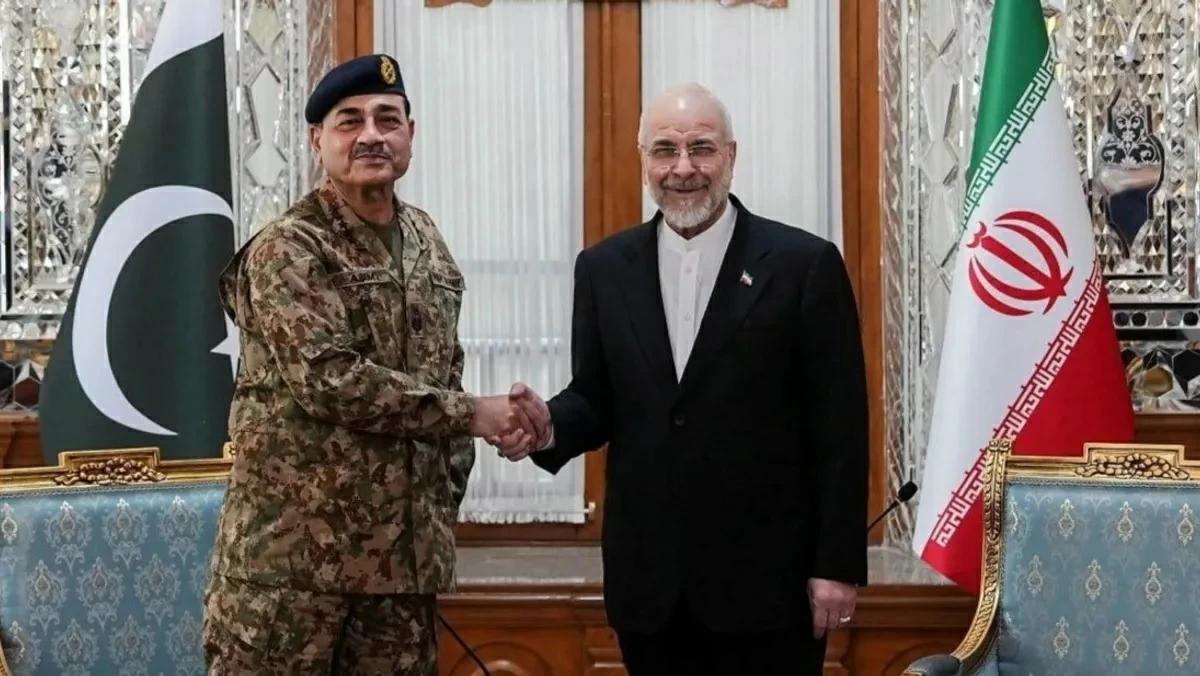
Pakistan’s mediation push
Pakistan’s Deputy Prime Minister and Foreign Minister Mohammad Ishaq Dar pressed for continued dialogue with Iran as a new round of US-Iran diplomacy prepared to move through Islamabad, according to multiple reports.
Global Times, citing Xinhua, said Dar held a telephone conversation with Iranian Foreign Minister Seyed Abbas Araghchi on Sunday, emphasizing “the need for continued dialogue and engagement as essential to resolving the current issues as soon as possible for promoting the peace and stability in the region and beyond.”

The Express Tribune similarly reported that Dar spoke with Polish Deputy Prime Minister and Foreign Minister Radosław Sikorski, with Sikorski commending Pakistan’s efforts in facilitating a ceasefire between the United States and Iran and appreciating Pakistan’s “commitment to dialogue.”
The Saudi Gazette said Dar told Abbas Araghchi that continued dialogue was essential as a US delegation prepared to arrive in Islamabad, and it added that the two ministers agreed to remain in contact.
Several outlets also tied the phone calls to a broader escalation-and-de-escalation timeline, including Pakistan’s role after the outbreak of war on Feb. 28 and the ceasefire secured on April 8.
In parallel, The Express Tribune reported that Dar also spoke with Canada’s Foreign Minister Anita Anand to review ongoing regional developments and that Anand “expressed support for Pakistan’s continued efforts to advance sustained dialogue and constructive engagement between the parties.”
Across the accounts, the common thread was that Pakistan framed dialogue as the mechanism for resolving “current issues” and for promoting peace and stability “in the region and beyond.”
Timeline from war to talks
The diplomatic calls described in the Pakistani mediation push were anchored to a sequence of events that multiple outlets traced from late February through mid-April. The Express Tribune said that on February 28 the United States and Israel launched a joint offensive on Iran, and that Tehran retaliated with strikes on Israel and other regional countries hosting US assets. It then described how “the war has been on hold since April 8, when Pakistan mediated a two-week ceasefire,” and it added that Pakistan hosted “the highest-level US-Iran talks since the 1979 Islamic Revolution” on April 11 and 12.
Those Islamabad Talks ended “without agreement, but the ceasefire was held,” the Express Tribune reported, and it said the two sides were expected to hold “a second and final round of talks in Islamabad in the upcoming week.” The Saudi Gazette and Türkiye Today both echoed the same April 8 ceasefire and the April 11-12 talks, while Türkiye Today added that the negotiations were “dubbed the Islamabad Talks” and that they ended “without a breakthrough.”
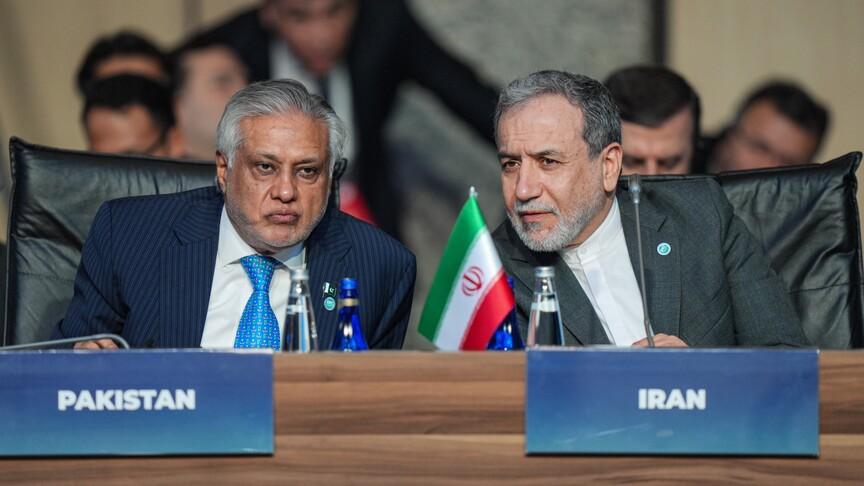
Anadolu Ajansı reported that Pakistan’s phone call with Iranian Foreign Minister Abbas Araghchi came as Trump said US representatives would arrive in Islamabad “tomorrow evening for negotiations with Iran,” and it placed the diplomatic activity in the context of a second round of “high-stakes talks.” The Express Tribune also reported that “at least two US aircraft carrying advance delegates landed in Islamabad on Sunday ahead of a second round of high-level talks with the Iranian side,” linking the movement of delegations to the renewed diplomatic track.
Officials, envoys, and mediation roles
Beyond Dar’s calls, the sources describe a wider set of officials and envoys moving through the same diplomatic channel, with Pakistan portrayed as coordinating at multiple levels. The Express Tribune reported that Dar spoke with Polish Deputy Prime Minister and Foreign Minister Radosław Sikorski, and it quoted the Foreign Office statement saying Sikorski “commended Pakistan’s efforts in facilitating a ceasefire between the United States and Iran” and “appreciated the country’s commitment to dialogue.” The same outlet reported that Dar also spoke with Canada’s Foreign Minister Anita Anand, and it quoted the Foreign Office saying “FM Anand appreciated and expressed support for Pakistan’s continued efforts to advance sustained dialogue and constructive engagement between the parties.”
The Saudi Gazette said Dar told Abbas Araghchi that continued dialogue was essential as a US delegation prepared to arrive in Islamabad, and it added that “a phone call between the Iranian president and the Pakistani prime minister is likely later Sunday.” Türkiye Today and Anadolu Ajansı both reported that US President Donald Trump said US representatives would arrive in Islamabad on Monday evening for negotiations, and both named Special Envoy Steve Witkoff and Jared Kushner as participants.
Anadolu Ajansı also reported that “at least two US planes carrying ‘advanced delegates’ landed in Islamabad on Sunday,” framing the arrival as a prelude to a second round of talks with Iran. In the Arabic-language account from الشرق, Pakistani Foreign Minister Ishaq Dar said his country “will continue to facilitate dialogue” between the United States and Iran, and it described Dar’s mediation as involving “the Chief of the Army Staff and the Army Commander, General Asim Munir,” who “helped mediate several rounds of intensive and constructive negotiations between the two sides.”
How outlets frame the same talks
While the core storyline—Pakistan urging dialogue and hosting US-Iran engagement—remains consistent, the sources differ in emphasis, especially when describing what happened in Islamabad and what the next diplomatic step should be.
Global Times focuses on Dar’s call with Iranian Foreign Minister Seyed Abbas Araghchi and presents the message as a need for “continued dialogue and engagement” to resolve “current issues,” without detailing the specific points of disagreement.
The Express Tribune, by contrast, situates the diplomatic activity in a broader war-and-ceasefire arc, naming the Feb. 28 offensive and the April 8 ceasefire, and it frames the upcoming negotiations as a “second and final round of talks in Islamabad.”
The Saudi Gazette emphasizes the immediate operational context—“as a US delegation prepares to arrive in Islamabad”—and it adds that Trump said US representatives would arrive on Monday evening, with Special Envoy Steve Witkoff and Jared Kushner attending.
Anadolu Ajansı similarly foregrounds the movement of delegations by reporting that “at least two US planes carrying ‘advanced delegates’ landed in Islamabad on Sunday,” while it repeats the theme that dialogue is “essential.”
The الشرق account diverges most sharply by describing the outcome of the third round of talks as ending “without an agreement,” and it attributes Iran’s position to Foreign Ministry spokesman Ismail Baqaei, who said Tehran reached agreement on “a number of points” but that differences persisted on “two or three important issues.”
Even within the framing of Pakistan’s role, the sources differ on whether the emphasis is on continuing facilitation after an inconclusive round or on the lead-in to a subsequent round with US delegates arriving.
Stakes, ceasefire fragility, and next steps
The stakes described in the sources revolve around whether the ceasefire and the diplomatic track can hold long enough to produce an agreement, and what Pakistan and other actors plan to do if talks remain inconclusive. The Express Tribune reported that the war has been on hold since April 8 and that Pakistan mediated a two-week ceasefire, while it also said the two sides were expected to hold a second and final round of talks in Islamabad in the upcoming week. In the Saudi Gazette account, Pakistan’s push for dialogue is explicitly tied to the arrival of US delegates and to the expectation of additional high-level engagement, including a likely phone call between the Iranian president and the Pakistani prime minister later Sunday.
The الشرق account adds a time-pressure element by describing the third round of talks as ending early Sunday after nearly a full day of negotiations, and it states that the talks lasted “21 hours,” while it also says Pakistan expressed hope that the two sides would continue to adhere to the ceasefire. It further reports that the ceasefire is part of a broader negotiating track and that US Vice President JD Vance said the American delegation would return to the United States “without an agreement,” while stressing the need for a “clear and positive confirmation that Iran ‘will not seek to possess a nuclear weapon.’”
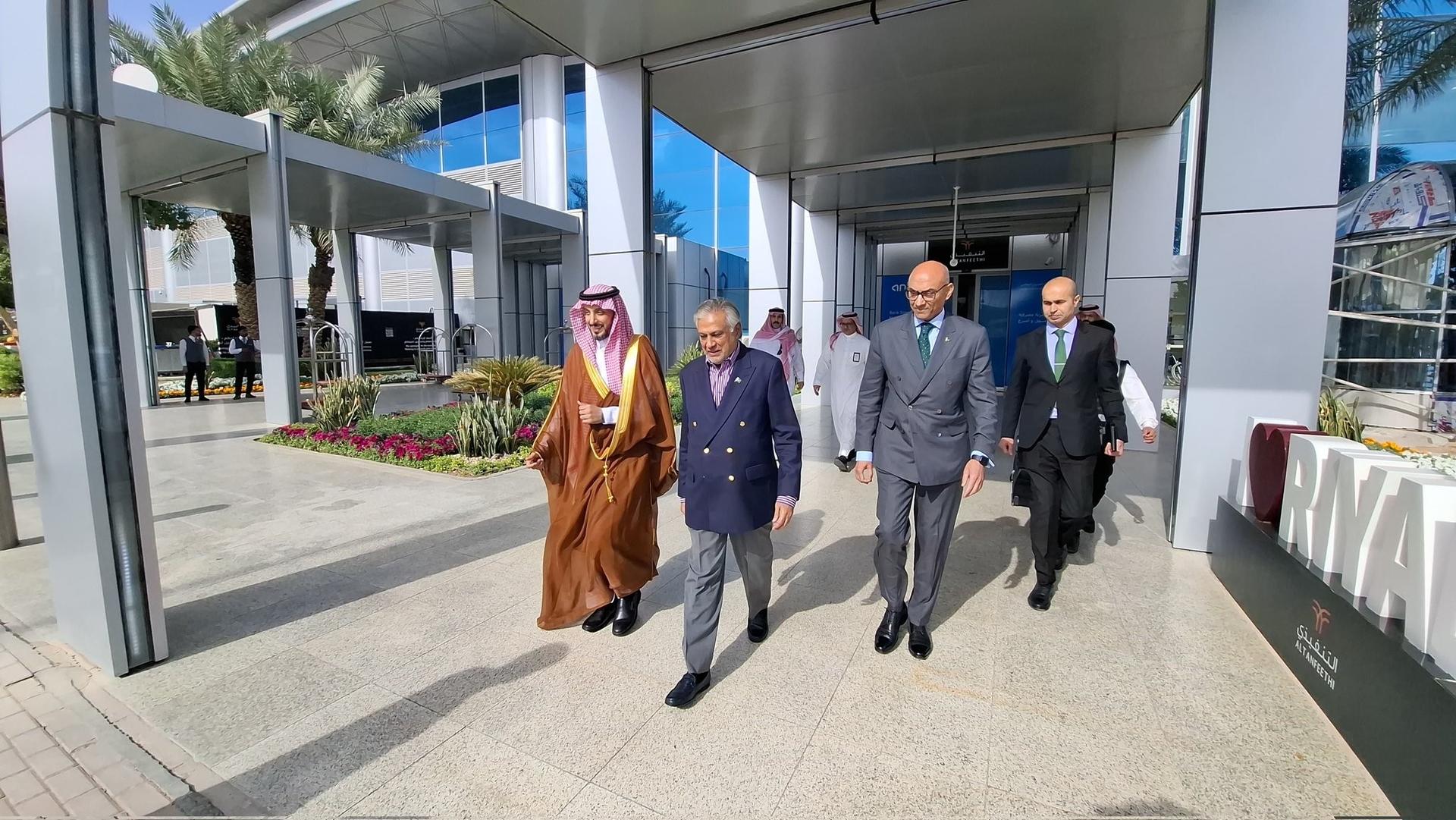
The عكاظ report adds a separate but related operational layer by describing Pakistan’s military chief General Asim Munir completing a visit to Tehran and meeting Iranian President Masoud Beizkian, Parliament Speaker Mohammad Bagher Ghalibaf, Foreign Minister Abbas Araghchi, and Ali Abdollahi of the Khatam al-Anbiya Military Headquarters. That report also says the ceasefire “is due to end on April 22 amid signs of its fragility despite its continuation to date,” and it frames the next diplomatic window as “tentatively set for April 20-22.”