Full story
Economic war, seismic retaliation
Iran’s Supreme National Security Council Secretary General Mohsen Rezaei warned that “any country that participates in imposing economic constraints on Iran is considered an enemy,” as the United States moves toward new sanctions tied to President Donald Trump’s “economic war.”
““any country that participates in imposing economic constraints on Iran is considered an enemy.””
Rezaei said Iran would first ask countries to “step away from the United States,” and if they did not, “we will attack them,” framing the response as “seismic” retaliation.

The threats were delivered in statements carried by state broadcaster IRIB and echoed in a separate warning that “Your interests will be targeted—the interests of countries that help the United States wage an economic war against the Islamic Republic.”
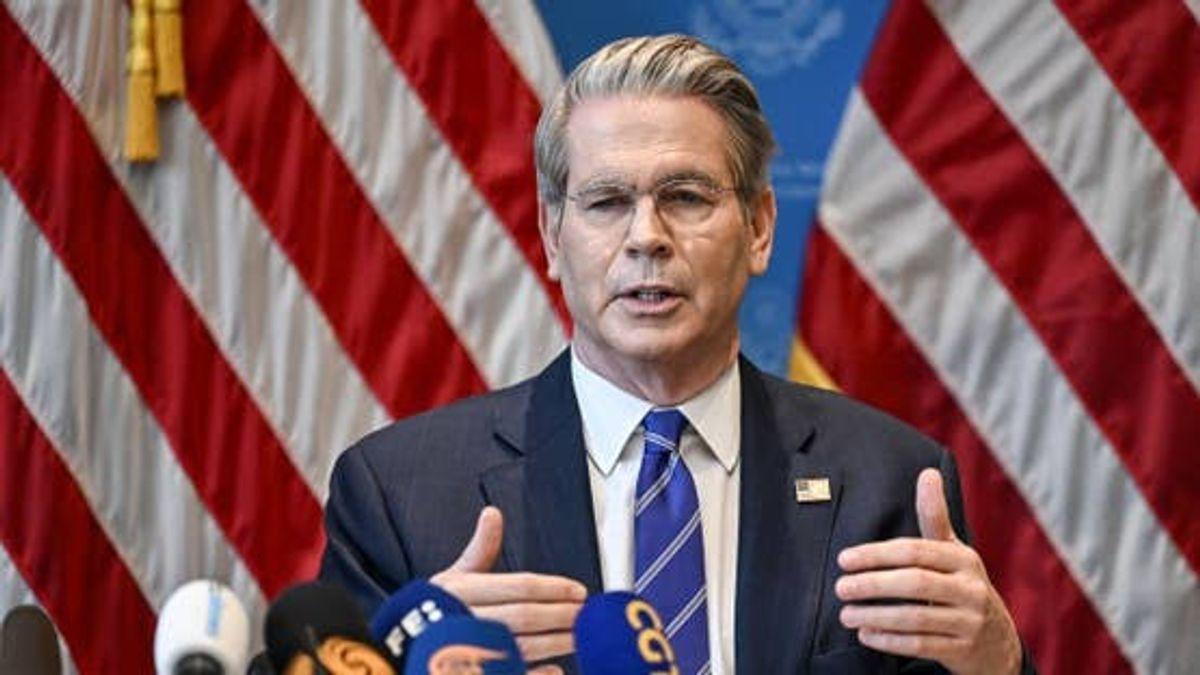
While the United States is preparing measures to be announced in the coming hours by Treasury Secretary Scott Bessent, Iran’s leadership also pointed to the Strait of Hormuz as a pressure point, warning that “not a single drop of oil will come out … from the Gulf and the Strait of Hormuz.”
Gulf shipping and internal fractures
Iran’s warnings were paired with threats to shipping, with the BBC reporting Rezaei’s claim that “If neighboring countries cooperate with the Americans in the economic war, not a single drop of oil will come out … from the Gulf and the Strait of Hormuz.”
CNN reported that Iran’s state-controlled Persian Gulf Strait Authority (PGSA) said vessels that violate Iranian transit arrangements could face “fines, seizure, or confiscation” during future passages.
CNN also described a split in Tehran’s approach, quoting President Masoud Pezeshkian saying Tehran “cannot continue with war forever” and defending the June agreement reached with the United States.
In parallel, CNN said Iran permitted some Iraqi oil tankers to transit through the Strait of Hormuz after repeated requests from Baghdad, while the Strait remained congested and peace talks showed “no signs of movement toward resuming peace talks,” according to the BBC.
What happens next
The BBC said US Treasury Secretary Steven Mnuchin was scheduled to hold a press conference at 18:00 UTC on Monday after vowing to impose “the toughest sanctions in history” on Iran, with Iran warning that secondary sanctions have “no basis in international law.”
“vowing to impose “the toughest sanctions in history” on Iran”
Iran’s President Masoud Pezeshkian acknowledged on state television that “I am aware that our society is currently going through many difficulties,” while also responding to the American plan with “We are immersed in a total war on the economic, military, and security fronts.”
As the standoff continues, the BBC reported that “Oil shipments through the Hormuz Strait are almost at a standstill,” and that Tehran threatened to target any oil tankers that are not permitted to pass through the vital waterway.
CNN added that Iran warned on Sunday that vessels accused of violating its transit rules could face penalties including detention or confiscation, while the United States is expected to increase sanctions on Monday as peace talks remain at a stalemate.