
Mojtaba Khamenei Says Iran’s New Strait of Hormuz Management Will Bring Calm
Key Takeaways
- Khamenei announces new management for the Strait of Hormuz.
- Gulf future without US presence.
- New Hormuz rules aim to boost Gulf stability and economy.
Hormuz Management Promises
Iran’s new Supreme Leader Mojtaba Khamenei said on Thursday that a “new chapter” for the Gulf and the Strait of Hormuz has been taking shape since the Iran war with the United States and Israel broke out on February 28, framing the change as a path to stability and economic gain.
In a written message published and broadcast on state television, Khamenei said, “By God's help and power, the bright future of the Persian Gulf region will be a future without America,” and he added that Iran would eliminate “the enemy's abuses of the waterway.”

The Week reported that Khamenei marked the National Persian Gulf Day and said the “bright future” would be “a future without America, one serving the progress, comfort and prosperity of its people,” while also promising that the new management of the Strait of Hormuz would bring “calm, progress and economic benefits to all Gulf nations.”
Haaretz carried a Reuters item describing Khamenei’s message as a written statement published on Thursday, and it tied the “new management” to the period “since the Iran war with the United States and Israel broke out on February 28.”
Geo News similarly described Khamenei’s written message as saying Tehran would secure the Gulf region and eliminate “the enemy's abuses of the waterway,” and it quoted him hailing Iran’s control over shipping in the strait.
Across the accounts, the message also emphasized that Iran would protect its “nuclear and missile capabilities” as national assets, with The Week quoting Khamenei saying, “Ninety million proud and honourable Iranians inside and outside the country regard all of Iran's identity-based, spiritual, human, scientific, industrial and technological capacities - from nanotechnology and biotechnology to nuclear and missile capabilities - as national assets, and will protect them just as they protect the country's waters, land and airspace.”
Escalation, Blockade, and Threats
The Hormuz management message landed as the conflict over shipping and blockade measures continued, with multiple outlets describing a closed strait and threats of retaliation.
CBC reported that Iran said on Thursday it would respond with “long and painful strikes” on U.S. positions if Washington renewed attacks, while it also “reasserted its control over the Strait of Hormuz,” complicating U.S. efforts to build a coalition to reopen the waterway.

CBC also stated that “the vital sea channel of Hormuz remains closed,” and it quantified the disruption by saying it was choking off “20 per cent of the world's supplies of oil and gas” and “an estimated one-third of world fertilizer supply.”
The same CBC account said a ceasefire had been in place since April 8 but that “Iran still blocking the strait,” and it described the U.S. as having instituted “a naval blockade of Iran's oil exports.”
Reuters-linked reporting in The Jerusalem Post’s live updates section referenced a ceasefire “announced on April 7 and went into effect on April 8,” while CBC tied the strategic deadline to the U.S. political process by saying Trump faced “a formal U.S. deadline on Friday to end the war or make the case to Congress for extending it under the 1973 War Powers Resolution.”
Geo News added more detail on the blockade timeline, saying the U.S. imposed a blockade on Iran’s ports “two weeks ago” and that Iran maintained its “stranglehold over the strategic Strait of Hormuz since the start of the Middle East war in February,” while it also quoted Iran’s President Masoud Pezeshkian warning that the blockade that began on “April 13” would be “a disruption to lasting stability in the Persian Gulf.”
In the same Geo News report, U.S. Central Command said it reached a “significant milestone after successfully redirecting the 42nd commercial vessel attempting to violate the blockade,” and it added that there were “41 tankers with 69 million barrels of oil that the Iranian regime can’t sell,” estimating the value at “more than $6 billion.”
Who Says What: Officials and Leaders
Iran’s messaging on Hormuz and retaliation was echoed by other Iranian political figures and contrasted with U.S. planning described in the same reporting.
CBC quoted Aerospace Force Commander Majid Mousavi as saying, “We've seen what happened to your regional bases, we will see the same thing happen to your warships,” and it placed the threat alongside Iran’s statement that it would respond with “long and painful strikes” if Washington renewed attacks.
CBC also quoted Khamenei’s written message to Iranians, including the line, “Foreigners who come from thousands of kilometres away ... have no place there except at the bottom of its waters,” and it repeated Khamenei’s promise that the “new management of the Strait of Hormuz would bring calm, progress and economic benefits to all Gulf nations.”
Geo News included a direct statement from Iran’s President Masoud Pezeshkian, saying, “Any attempt to impose a maritime blockade or restrictions is contrary to international law... and is doomed to fail,” and it added Pezeshkian’s warning that the blockade beginning on April 13 would be “a disruption to lasting stability in the Persian Gulf.”
The same Geo News report quoted Iran’s parliament speaker Mohammad Bagher Ghalibaf saying control of Hormuz would allow Tehran to “provide itself and its neighbours with the precious blessing of a future free from American presence and interference.”
On the U.S. side, the Reuters-based reporting in CBC described a U.S. official telling Reuters that Trump was slated to receive a briefing on Thursday on plans for “a series of fresh military strikes on Iran,” and it said such options had “long been part of U.S. planning.”
CBC also described U.S. efforts to coordinate a coalition, saying the State Department cable invited partner countries to join a new coalition called Maritime Freedom Construct (MFC), and it quoted the cable saying, “The MFC constitutes a critical first step in the establishment of a post-conflict maritime security architecture for the Middle East.”
In parallel, Geo News said a State Department official told AFP that Washington was seeking to set up an international coalition comprising allied states and shipping firms to coordinate safe passage through Hormuz “while maintaining its own blockade of ships serving Iran.”
Different Frames of the Same Standoff
While multiple outlets reported Khamenei’s written message and the promise of “calm” and “economic benefits,” they framed the broader standoff through different emphases, from legal and regional cooperation to the mechanics of blockade enforcement and the personal condition of the new leader.
Shafaq News described Khamenei’s plan as rejecting U.S. presence, saying he pledged “calm and economic benefits” while reaffirming Tehran’s commitment to securing the Gulf, and it said the statement described U.S. forces in Gulf states as “a key driver of tensions.”
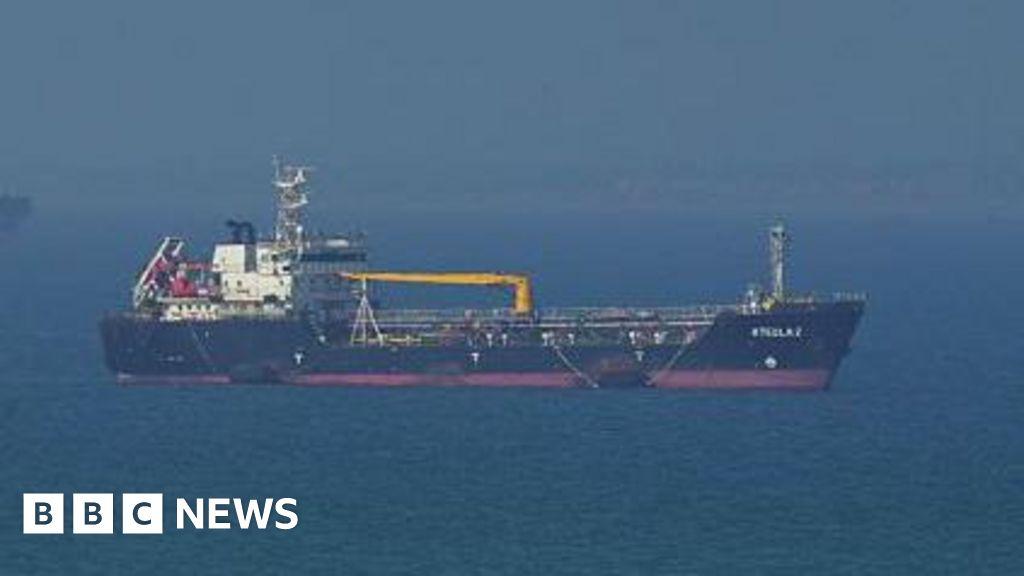
Shafaq News also reported that Iran’s Islamic Revolutionary Guard Corps (IRGC) said Gulf security can only be achieved through “regional cooperation among littoral states without foreign forces,” and it described the Gulf as “a vital artery for the region’s economy, energy, and communications.”
By contrast, Geo News and CBC focused on operational details of blockade enforcement and coalition-building, with Geo News citing U.S. Central Command’s “42nd commercial vessel” redirection and CBC describing the Maritime Freedom Construct (MFC) cable and the possibility of “ground forces to take over part of the Strait of Hormuz to reopen it to commercial shipping.”
The Jerusalem Post’s live updates section, meanwhile, embedded the Hormuz dispute inside a wider battlefield picture, including references to CENTCOM preparing for renewed strikes in Iran and IDF strikes in southern Lebanon, and it stated that “a ceasefire deal was announced on April 7 and went into effect on April 8.”
Another divergence appeared in reporting about Khamenei himself: Reuters, as carried by الشرق الأوسط, said three sources close to Mojtaba Khamenei described him as recovering from serious injuries to his face and leg, and it quoted that he is “still recovering from serious injuries to his face and leg sustained in the airstrike that killed his father.”
That same Reuters-based account said the 56-year-old man’s face was disfigured and that he sustained serious injuries to one leg or both, and it added that he participates in meetings via conference calls and contributes to decisions on major issues including the war and negotiations with Washington.
The Express Tribune and The Week both highlighted the “bright future” without America, but The Express Tribune also explicitly described the message as coming with “updated legal frameworks,” stating, “These frameworks will bring stability, progress and economic benefits for all nations in the region.”
Consequences and Next Moves
The sources portray immediate consequences for global commerce and for U.S. and Iranian decision-making, with the Hormuz closure described as a driver of energy and economic strain and with deadlines shaping potential next steps.
CBC said the closure of Hormuz “remains closed, choking off 20 per cent of the world's supplies of oil and gas,” and it added that it was also affecting “an estimated one-third of world fertilizer supply,” while it reported that “Global energy prices have surged” and that there were “heightened concerns about the risks of an economic downturn.”
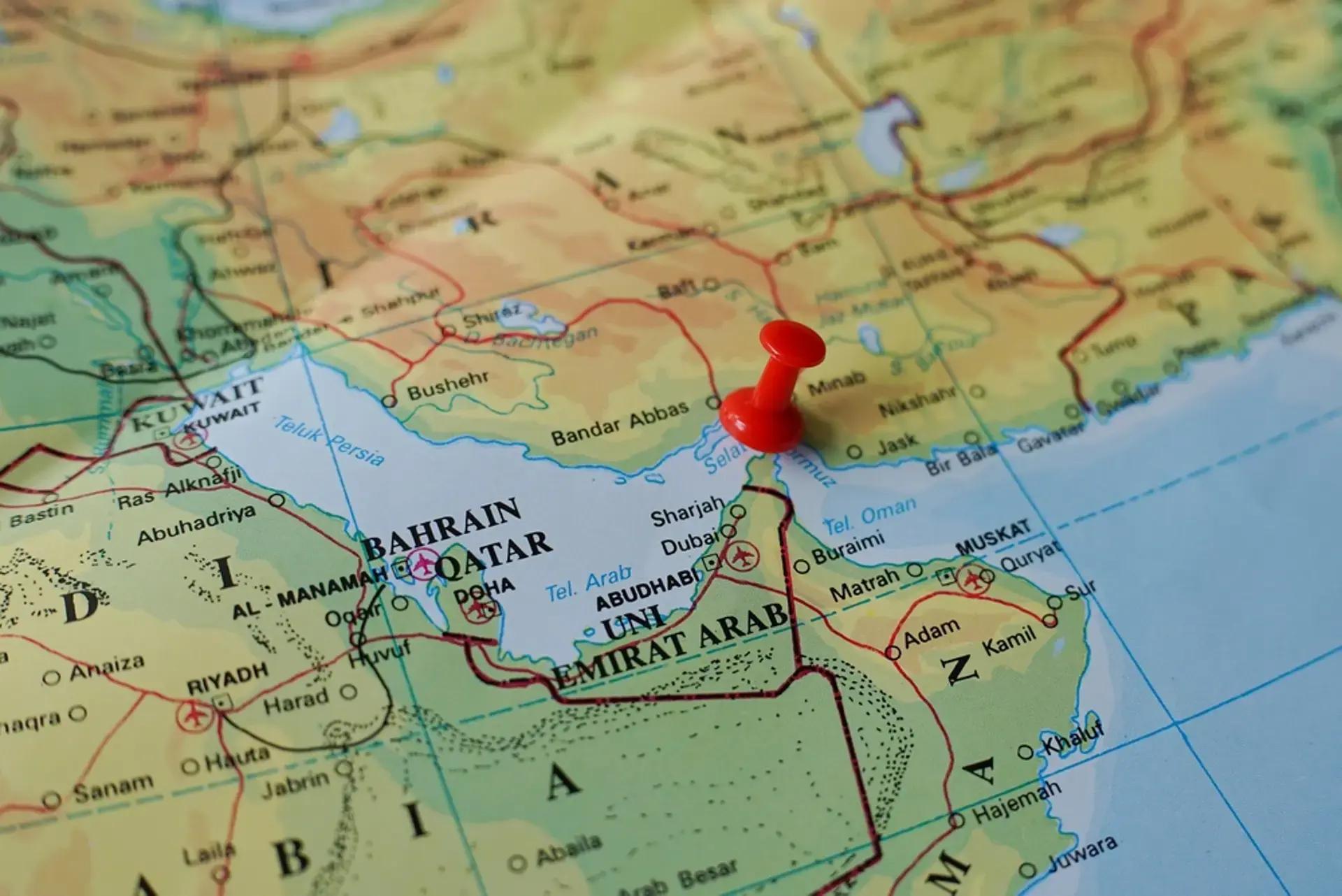
CBC also reported that UN Secretary General António Guterres warned that if disruption dragged on through mid-year, “global growth would fall, inflation would rise and tens of millions more people would be pushed into poverty and extreme hunger,” and it quoted him saying, “The longer this vital artery is choked, the harder it will be to reverse the damage.”
Geo News similarly said oil prices struck a four-year high and quoted that “International benchmark Brent crude soared more than 7% to $126 a barrel,” while it also reported that International Energy Agency chief Fatih Birol told a meeting at his Paris headquarters: “The world is facing the biggest energy crisis in history.”
Geo News added that the European Central Bank warned that “the longer the war and high energy prices continue, "the stronger is the likely impact on broader inflation and the economy."”
On the political and military timeline, CBC said Trump faced “a formal U.S. deadline on Friday to end the war or make the case to Congress for extending it under the 1973 War Powers Resolution,” and it stated that “for the purposes of the resolution, hostilities had terminated due to the April ceasefire between Tehran and Washington.”
The same CBC report said another plan to be shared with Trump involved using “ground forces to take over part of the Strait of Hormuz to reopen it to commercial shipping,” and it described U.S. consideration of extending the blockade or declaring “a unilateral victory.”
On the Iranian side, Geo News quoted Pezeshkian warning that the blockade was “a disruption to lasting stability,” while Shafaq News said Iran’s IRGC called for stability through “collective regional participation” and rejected foreign forces.
More on Iran
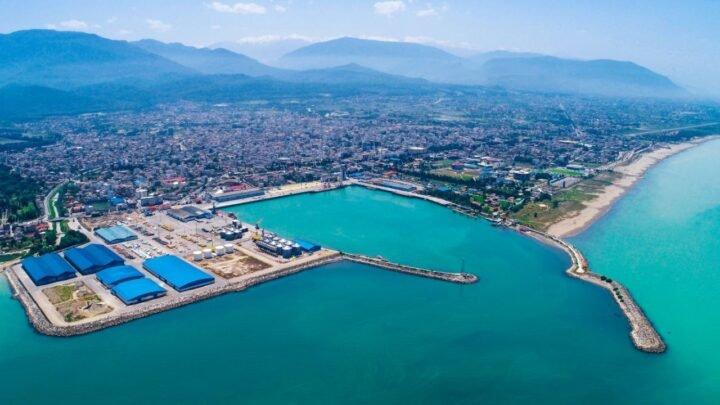
U.S. Rebuilds Logistics Supply Chain After Ceasefire, Boosts CENTCOM Airlift From Ramstein
12 sources compared
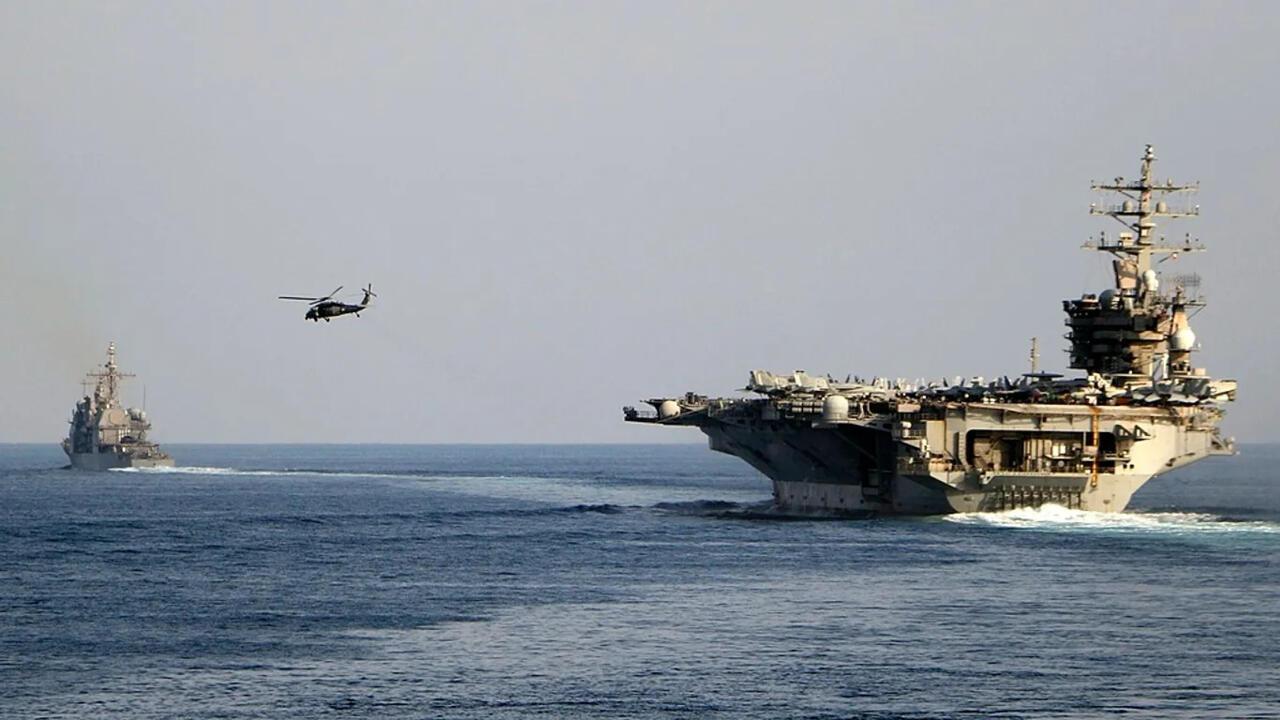
Ayatollah Seyyed Mojtaba Khamenei Orders New Legal Rules for Strait of Hormuz Amid US Blockade
18 sources compared
U.S. Warns Shipping Firms Sanctions Over Payments to Iran for Strait of Hormuz Transit
18 sources compared

Donald Trump Tells Congress Iran Hostilities Have Terminated After War Powers Deadline
30 sources compared