U.S. Warns Shipping Firms Sanctions Over Payments to Iran for Strait of Hormuz Transit
Key Takeaways
- US warns ships paying tolls to Iran for Hormuz transit could face sanctions.
- Sanctions would apply to firms facilitating payments enabling Iranian Hormuz transit.
- Developments unfold amid ongoing US-Israel-Iran hostilities and related ceasefire negotiations.
Tolls, sanctions, and Hormuz
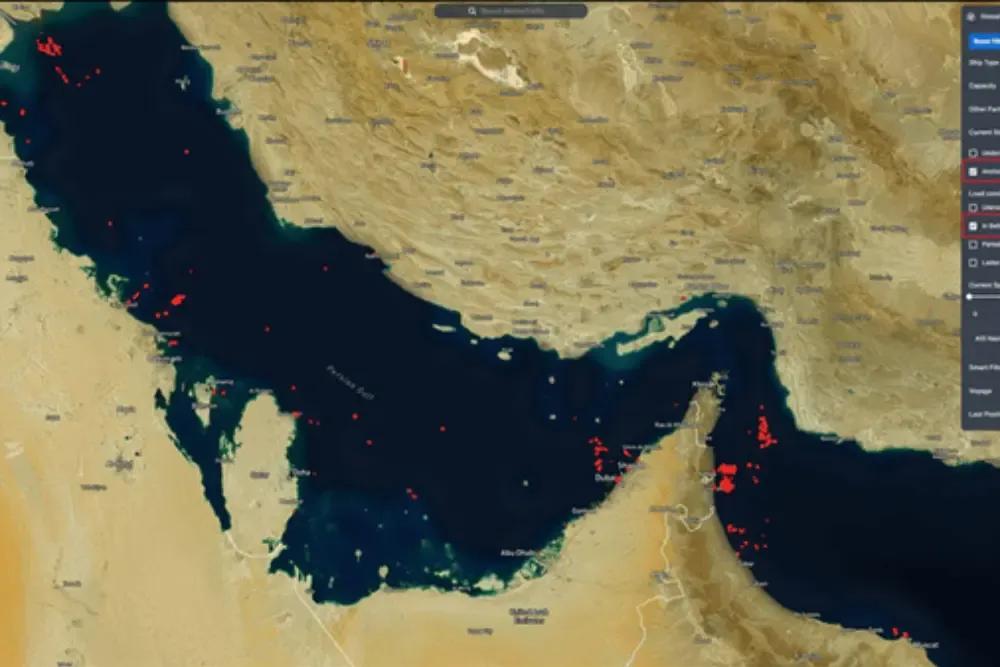
The United States has warned shipping companies that they could face sanctions for making payments to Iran to safely pass through the Strait of Hormuz, with the warning describing payment demands that could include transfers not only in cash but also “digital assets, offsets, informal swaps, or other in-kind payments,” including “chartibale donations and payments at Iranian embassies,” according to OFAC as quoted by The Hindu.
“United States President Donald Trump has voiced frustration with Iran’s latest peace proposal, saying “they’re asking for things I can’t agree to”, and cautioning against ending the conflict too early, only for tensions to resurface “in three more years””
The Hindu also frames the warning inside a broader U.S. posture toward Iran, noting that “The war on Iran and the Gulf’s shattered illusions” is part of the context for Washington’s decisions.

Al Jazeera similarly reports that Washington has warned that ships paying tolls or fees to Iran to transit the Strait of Hormuz could face U.S. sanctions, signalling a tougher stance on maritime activity linked to Tehran.
In parallel, The Times of Israel reports that on Friday the U.S. warned shippers that they risked sanctions if they paid tolls to Iran to pass through the Strait.
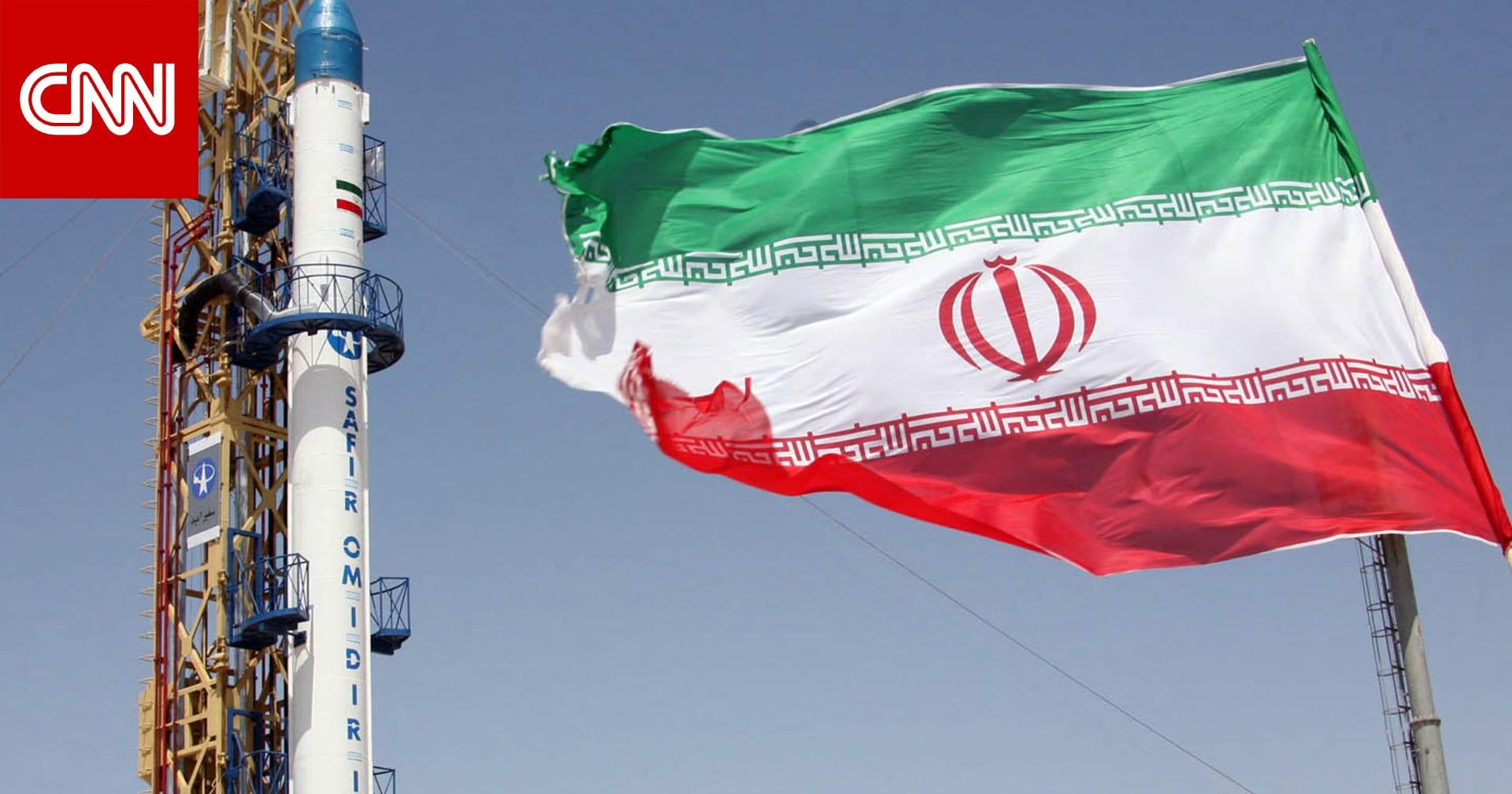
The same Strait-of-Hormuz pressure point is also tied to Iran’s own stated approach to navigation, with CNN Arabic reporting that Iran rejected a temporary ceasefire and said it would allow adversaries to pause and prepare to resume the war, while also referring to U.S. President Donald Trump’s threat to bomb Iran’s main infrastructure if Tehran does not open the Strait of Hormuz.
The dispute over Hormuz is therefore not only a military and diplomatic issue, but also a compliance and enforcement issue for commercial shipping, with multiple outlets describing the sanctions risk in closely related terms.
Trump rejects the proposal
Across multiple reports, U.S. President Donald Trump is portrayed as rejecting Iran’s latest peace proposal while simultaneously keeping military options in view.
The Guardian says Iran has passed a new proposal to Pakistani mediators, but Trump told reporters he was not “satisfied,” adding, “Right now, we have talks going on, they’re not getting there,” and that his options remained “either blast them away or make a deal”.

The Times of Israel similarly reports that Trump said he was dissatisfied with a new ceasefire offer from Tehran and confirmed he had been briefed on ways to “blast the hell out of them” if no deal were reached, quoting him as saying, “They want to make a deal, but I’m not satisfied with it,” and “They’re asking for things that I can’t agree to.”
Al Jazeera reports Trump voiced frustration with Iran’s latest peace proposal, saying “they’re asking for things I can’t agree to,” and cautioning against ending the conflict too early, only for tensions to resurface “in three more years”.
The Hindu also notes that Trump said he was “not satisfied” with Iran’s latest proposal delivered via Pakistan as mediator, and that Tehran’s Revolutionary Guards warned American warships “will burn” like U.S. bases in the region if Iran is attacked again.
CNN frames the same stance in a different register, saying Trump said the U.S. may be “better off” if no deal is reached with Iran, and also describing his view that the War Powers resolution is “totally unconstitutional.”
Ceasefire, war powers, and oil
The negotiation dispute is intertwined with legal and economic pressure points, including the War Powers deadline and the impact on energy markets.
“Follow , May 1, here”
CNN reports that the war reached the 60-day mark and “requires congressional authorisation to continue under the War Powers resolution,” while the White House argues the conflict is over because of the ceasefire and Trump described the resolution as “totally unconstitutional.”
The Guardian also describes Trump waving off a Friday deadline imposed by the war powers act, requiring the U.S. president to seek congressional authorisation to continue hostilities beyond 60 days, and says Trump argued in a letter to congressional leaders that the ceasefire agreement “paused the 60-day clock.”
CBS News adds another layer by tying the conflict to domestic politics and costs, saying Defense Secretary Pete Hegseth faced lawmakers and argued the 60-day deadline was on hold during the current ceasefire, while Democratic senators such as Tim Kaine and Elizabeth Warren disagreed and said the deadline remains Friday.
CBS News also reports that oil prices spiked to a four-year high, with Brent crude briefly topping $126 a barrel, as stalled U.S.-Iran talks raised doubts about reopening the Strait of Hormuz and a permanent end to the war.
CNN further connects the war to consumer impacts, reporting that the average price of gas hit $4.39 a gallon in the U.S. on Friday, according to AAA, and that it was up nine cents from Thursday and 34 cents from a week ago and month ago.
Iran’s stance and escalation threats
While U.S. officials and Trump publicly reject Iran’s proposal, Iranian officials are portrayed as rejecting ceasefire concepts and emphasizing economic and military readiness.
CNN Arabic reports that Iran rejected a temporary ceasefire in its war with the United States and Israel, saying it would allow the adversaries to pause and prepare to resume the war, and it quotes Foreign Ministry spokesman Ismail Bagai as saying, “We call for ending the war and preventing its repetition.”

CNN Arabic also says Bagai rejected the temporary ceasefire and added that the proposal was “far too extreme, unusual, and illogical,” while describing Iran’s “very bitter experience in negotiating with the United States.”
In the same CNN Arabic report, Iranian Armed Forces spokesman Ibrahim Zolfagari is quoted via Tasnim News Agency as saying that if attacks on civilian targets recur, Iran's response would be much broader and the losses “would be several times larger.”
The Hindu adds that Tehran’s Revolutionary Guards warned American warships “will burn” like U.S. bases in the region, if Iran is attacked again, tying the rhetoric to the maritime and military environment around the Gulf.
BBC provides a different but related picture of Iranian leadership and the war’s claimed rationale, saying the Supreme Leader was killed during the first wave of the strikes and that on March 8, the son of Khamenei, Mojtaba, was named his successor, while also noting that U.S. Defense Secretary Pete Hegseth later said Mojtaba Khamenei had been wounded and ‘likely disfigured’—a claim Iran denies.
What’s at stake next
The sources portray the next phase of the Iran war as hinging on whether blockades and navigation restrictions can be lifted in tandem, and whether diplomacy can survive the pressure of military posturing.
“(CNN) – Iran rejected a temporary ceasefire in its war with the United States and Israel, saying it would allow the adversaries to pause and prepare to resume the war”
The Guardian says the new proposal had been passed to Pakistan and that Pakistan’s role is central to negotiation, with Tehran and Washington saying Pakistan remains the primary conduit for negotiation, while also noting that the U.S. Treasury Office warned on Friday that any shipping companies that paid tolls to Iran for passage through the strait of Hormuz, including charitable donations to organisations such as the Iranian Red Crescent Society, would risk punitive sanctions.
The Times of Israel adds that talks have faltered over Iran’s nuclear program and control of the Strait of Hormuz, which is under competing Iranian and U.S. naval blockades, and it reports that Iran’s new proposal reportedly offers that Hormuz talks commence simultaneously with the U.S. unwinding its blockade and guaranteeing no further attacks.
Al Jazeera’s “day 64” update similarly ties the diplomatic track to maritime enforcement, saying Washington warned ships paying tolls or fees to Iran could face U.S. sanctions, while also reporting that the U.S. Department of State imposed new measures on entities linked to Iranian petroleum exports, including China-based Qingdao Haiye Oil Terminal.
CBS News and CNN both connect the stakes to energy markets and consumer costs, with CBS reporting Brent crude briefly topping $126 a barrel and CNN reporting gas prices at $4.39 a gallon, while also describing the Strait of Hormuz as all but closed.
BBC adds a human dimension to the stakes by reporting casualty figures and disputed narratives, including HRANA’s reported 3,220 killed in Iran since March 20 and the claim of an attack on a girls’ school near a Revolutionary Guards base on February 28 that killed 168 people, including about 110 children.
More on Iran

Donald Trump Tells Congress Iran Hostilities Have Terminated After War Powers Deadline
30 sources compared
U.S. Treasury Warns Shippers Not to Pay Iran Strait of Hormuz Tolls
11 sources compared

Iran Submits New Negotiations Proposal To US Via Pakistani Mediator
10 sources compared

Donald Trump Tells Congress U.S. Hostilities With Iran Have Terminated Ahead of War Powers Deadline
19 sources compared