
Mojtaba Khamenei Threatens Response To US Attacks, Vows To Protect Iran’s Nuclear And Missile Capabilities
Key Takeaways
- Khamenei signals a new phase in Hormuz Strait management.
- An adviser threatens to sink American ships in Hormuz.
- Seeks compensation, not war.
Khamenei’s defiant Strait line
Iran’s supreme leader Mojtaba Khamenei vowed Thursday to protect the Islamic Republic’s “nuclear and missile capabilities,” in remarks read by a state television anchor as the war’s ceasefire remains “shaky.”
In the statement, Khamenei insisted that the only place Americans belonged in the Persian Gulf is “at the bottom of its waters,” and said “a ‘new chapter’ was being written in the region’s history.”
The statements were delivered as Iran’s economy is “reeling” and its oil industry is being squeezed by a US Navy blockade halting its tankers from getting out to sea, according to the reporting.
The pressure on markets was reflected in the global benchmark for oil, Brent crude, which “traded as high as $126 a barrel” on Thursday.
The same reporting tied the standoff to Iran’s “chokehold on the Strait of Hormuz,” through which “a fifth of all crude oil is transported.”
Khamenei also framed Iran’s control of the strait as a benefit to others, saying Tehran’s “legal rules and new management” of the strait “will benefit all the region’s nations.”
The Times of Israel and PBS both described the remarks as a hard line as US President Donald Trump weighs how to respond to the Strait standoff and the ceasefire.
US options, ceasefire, and blockade
Multiple outlets connected Khamenei’s remarks to US planning over the Strait of Hormuz and the status of the ceasefire, describing a narrow window for diplomacy that remains unstable.
Business Standard said Trump is “floating a new plan to reopen the critical passageway” while the US would “continue its blockade on Iranian ports,” and it reported that the plan would coordinate with allies to “impose higher costs on Iran’s attempts to subvert the free flow of energy.”

Qatar Tribune similarly described a ceasefire in place “since early April,” while negotiations “have stalled,” and it added that Axios reported Trump was due to be briefed by the military on Thursday on “new military options against Iran.”
NewsNation framed the situation as hostilities being “terminated” for War Powers purposes amid an extended ceasefire, while Iran warned it would launch “long and painful strikes” if Washington renewed attacks.
NewsNation also quoted a senior Revolutionary Guards official saying even limited US strikes would trigger a broader response across the region, and it cited Aerospace Force Commander Majid Mousavi warning that US military assets “including regional bases and warships, could be targeted.”
In parallel, NewsNation described Trump’s position that the Strait of Hormuz will stay blockaded until Iran comes to the table on a nuclear deal, and it said Axios reported a briefing from U.S. Central Command on whether additional strikes may be needed.
The Times of Israel and PBS both described the US blockade as designed to prevent Iran from selling its oil and depriving it of crucial revenue, while also potentially forcing Tehran to shut off production because it has nowhere to store oil.
Nuclear deal demands and talks
The reporting also laid out the competing diplomatic tracks around Iran’s nuclear program and the conditions being discussed for any broader agreement.
Business Standard said Trump sought to curtail Iran’s nuclear and missile capabilities through “airstrikes” and “as part of a wider deal to cement the war's shaky ceasefire,” and it described Trump’s rationale for going to war as denying Iran the ability to develop nuclear weapons.
It reported that Iran has long maintained its program is peaceful, while it enriched uranium at “near-weapons-grade levels of 60 per cent.”
Qatar Tribune stated that Trump argued an agreement would only be reached if Tehran “completely renounced nuclear weapons,” and it described negotiations as stalled despite the ceasefire.
PBS and Business Standard both described a recent Iranian proposal that would push negotiations on the country’s nuclear program to a later date.
Pakistan, in both Business Standard and PBS, said it was facilitating indirect talks between the US and Iran aimed at easing tensions, while also welcoming direct communication “even by phone,” with Tahir Andrabi saying, “If the two parties can engage in real-time conversations, that could ease the sticking points.”
NewsNation added that negotiators and mediators, “namely Pakistan,” hope the two sides return to the negotiating table, and it said Iran was considering this option while also saying a continuation of the naval blockade would be unacceptable.
Who is Mojtaba Khamenei?
Several outlets described Mojtaba Khamenei’s unusual public profile and the circumstances surrounding his succession, framing his statement as coming from a leader who has not been seen in public.
Business Standard said Khamenei “has not been seen in public since taking over as supreme leader following the killing of his father in the war's opening airstrikes,” and it linked his remarks to the broader conflict.
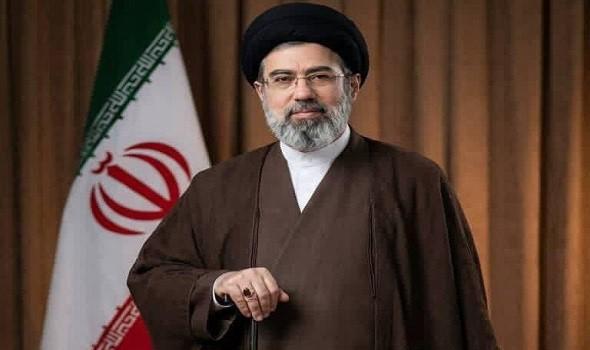
Qatar Tribune similarly said that since his appointment to succeed his assassinated father, Ayatollah Ali Khamenei, “Mojtaba Khamenei has not appeared in public,” and it added that he is believed to be “severely injured.”
The Times of Israel and PBS both reported that he was reportedly badly wounded in the February 28 attack that killed his father, the 86-year-old Supreme Leader Ayatollah Ali Khamenei, and that he has not been seen in public or on video since he assumed his father’s role in March.
The Times of Israel went further by citing “several anonymous sources” and describing that he suffered “severe facial and leg injuries,” while also saying he remains “mentally sharp” and is taking part in meetings with senior officials via audio conferencing.
PBS also described the remarks as coming after he had not been seen in public since taking over, and it reiterated the context of the ceasefire and the Strait pressure.
Qatar Tribune added that the statement was reportedly released to mark Persian Gulf Day, a holiday commemorating the Persian-British victory over Portugal in 1622, and it described the speech as a “rare statement read out on state television.”
Oil shocks and regional stakes
The outlets tied the Strait standoff to immediate economic shocks and to the political calculations facing US President Donald Trump and Gulf allies.
Business Standard said the world economy is under pressure as Iran maintains its chokehold on the Strait of Hormuz, and it linked the shock to oil supplies and prices to pressure on Trump, who is “floating a new plan to reopen the critical passageway used by the US's Gulf allies to export their oil and gas.”

Qatar Tribune echoed the same linkage, saying Iran’s economy is reeling and its oil industry is being squeezed by a US Navy blockade halting its tankers from getting out to sea, while the Strait remains closed.
The Times of Israel described the Strait’s closure as putting pressure on Trump because oil and gasoline prices have “skyrocketed” ahead of “crucial midterm elections,” and it said it has pressured his Gulf allies that use the waterway to export their oil and gas.
PBS similarly described the blockade’s design and the Strait’s role in depriving Iran of revenue while also potentially creating storage constraints.
Business Standard added that the US plan would continue the blockade on Iranian ports while coordinating with allies to impose higher costs on Iran’s attempts to subvert the free flow of energy, and it said the proposal was first reported by The Wall Street Journal.
NewsNation added a separate economic measure, saying the Trump administration is seeking to exchange up to “92.5 million barrels of crude from the Strategic Petroleum Reserve” to calm oil markets spiked due to the war with Iran.
More on Iran
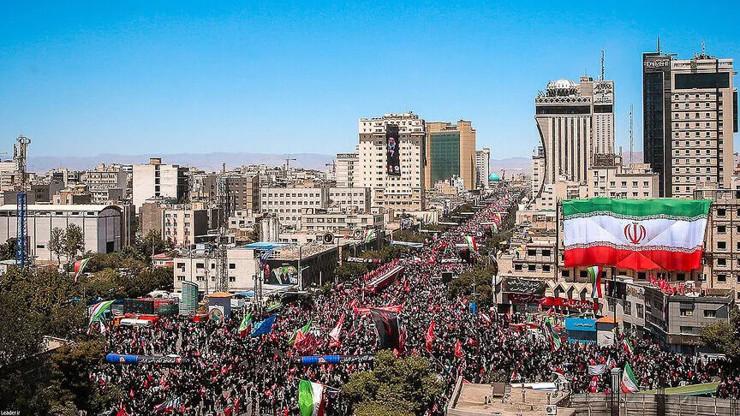
Israeli Strike Kills Ayatollah Ali Khamenei, Buried at Imam Reza Shrine in Mashhad
19 sources compared
Iran Attempts To Restore Nuclear Sites Damaged In US And Israel Strikes, CNN Satellite Images Show
15 sources compared
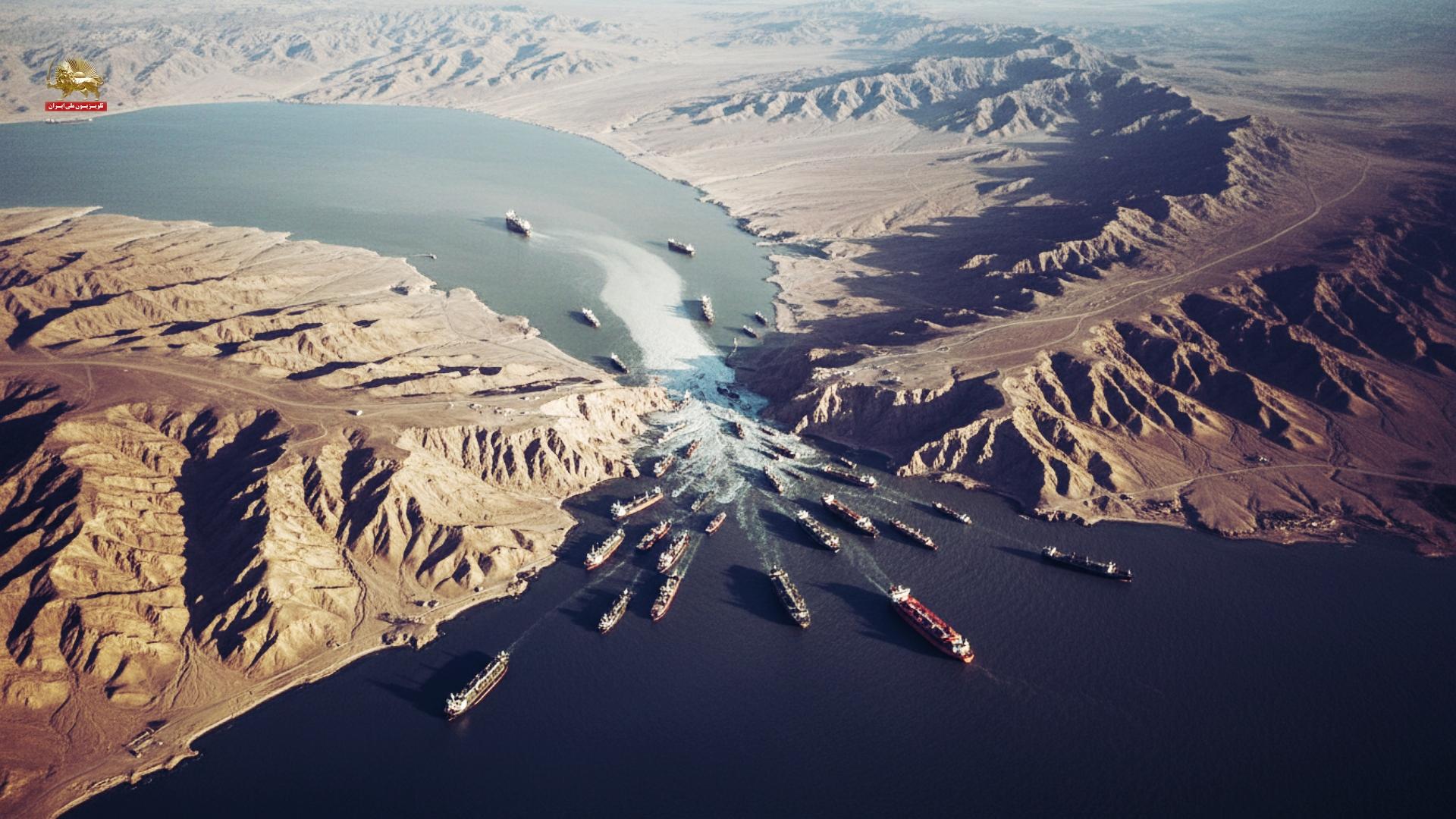
Abbas Araghchi and Prince Faisal Bin Farhan Discuss Regional Developments After US Attacks
11 sources compared

Trump Says U.S. Agreed to Continue Iran Talks, Ceasefire Is Over
19 sources compared