
Ukraine War · 01 September, 2026 · 2 min read
NATO Deploys Turkish Fighter Aircraft After Ukrainian Drones Enter Estonian Airspace
Ukrainian-origin drones briefly breached Estonian airspace, triggering NATO Baltic air-patrol response. NATO deployed Turkish fighter aircraft from its regional air-patrol mission early Tuesday.
36 outlets, one story, no spin found.
10 of 12 outlets skipped it: putin calls Zelenskyy’s warning 'state terrorism'.
36outlets compared
Estonia drone incursion
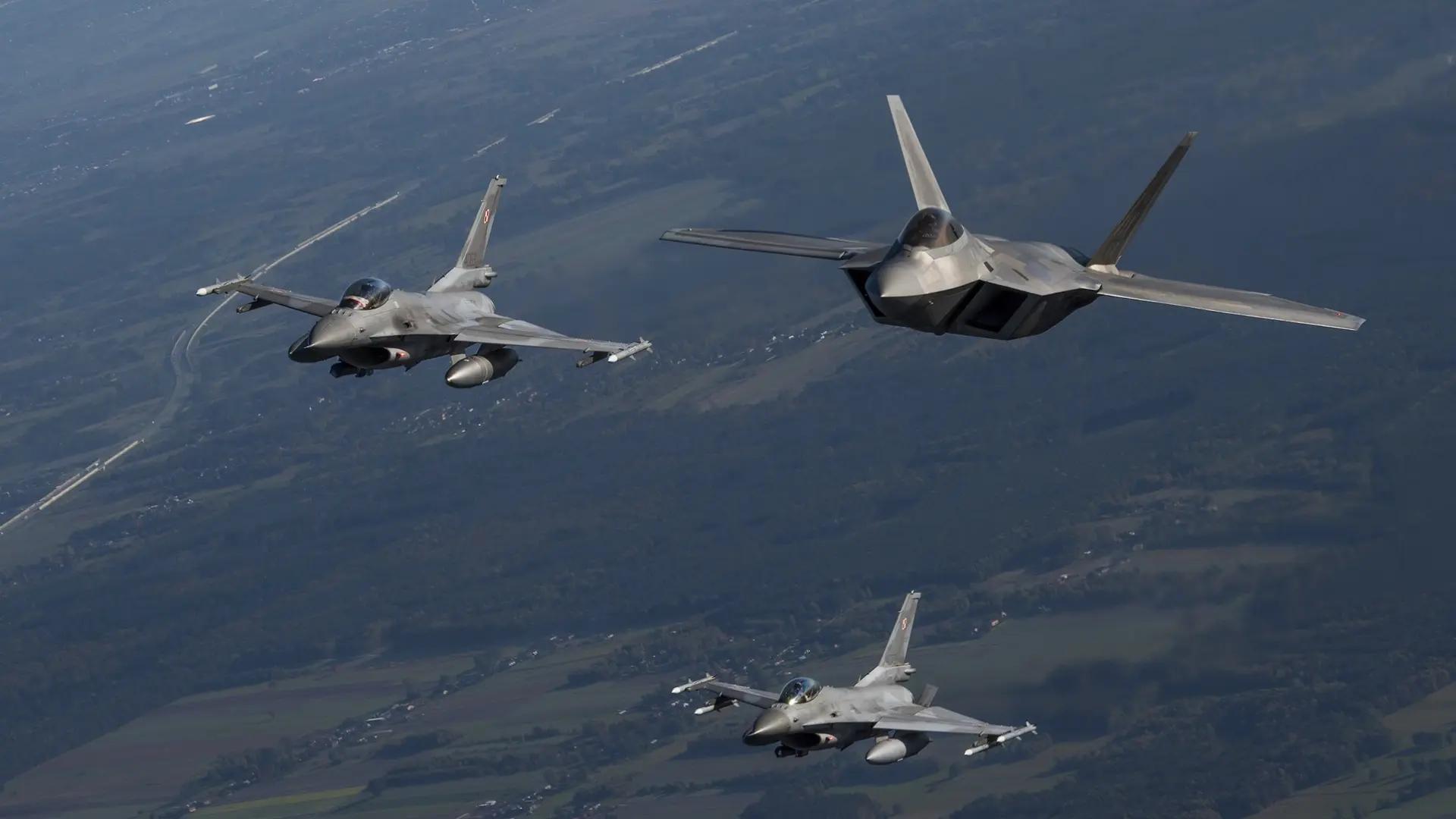
NATO deployed Turkish fighter aircraft from its air-patrol mission in the region early Tuesday after drones of Ukrainian origin briefly crossed into Estonian airspace, prompting air alerts in some areas of Estonia. Estonian Foreign Minister Margus Tsahkna said, “During the night, air alerts were activated in some areas of Estonia after drones flew near our border and entered Estonian airspace,” adding that NATO fighter jets reacted from the Amari air base near the Gulf of Finland.
The Estonian Defence Forces said the drones that invaded the airspace are the ones “used in a Ukrainian attack against targets in Russia,” and it reported that “The potential air threat ended at 05:30 in the morning.” Ukraine praised Estonia’s response, with Ukrainian Foreign Minister Dmytro Kuleba saying, “Last night’s incident in Estonia is yet another stark reminder of the threats and consequences of Russia’s war.”
Zelenskyy warns airlines
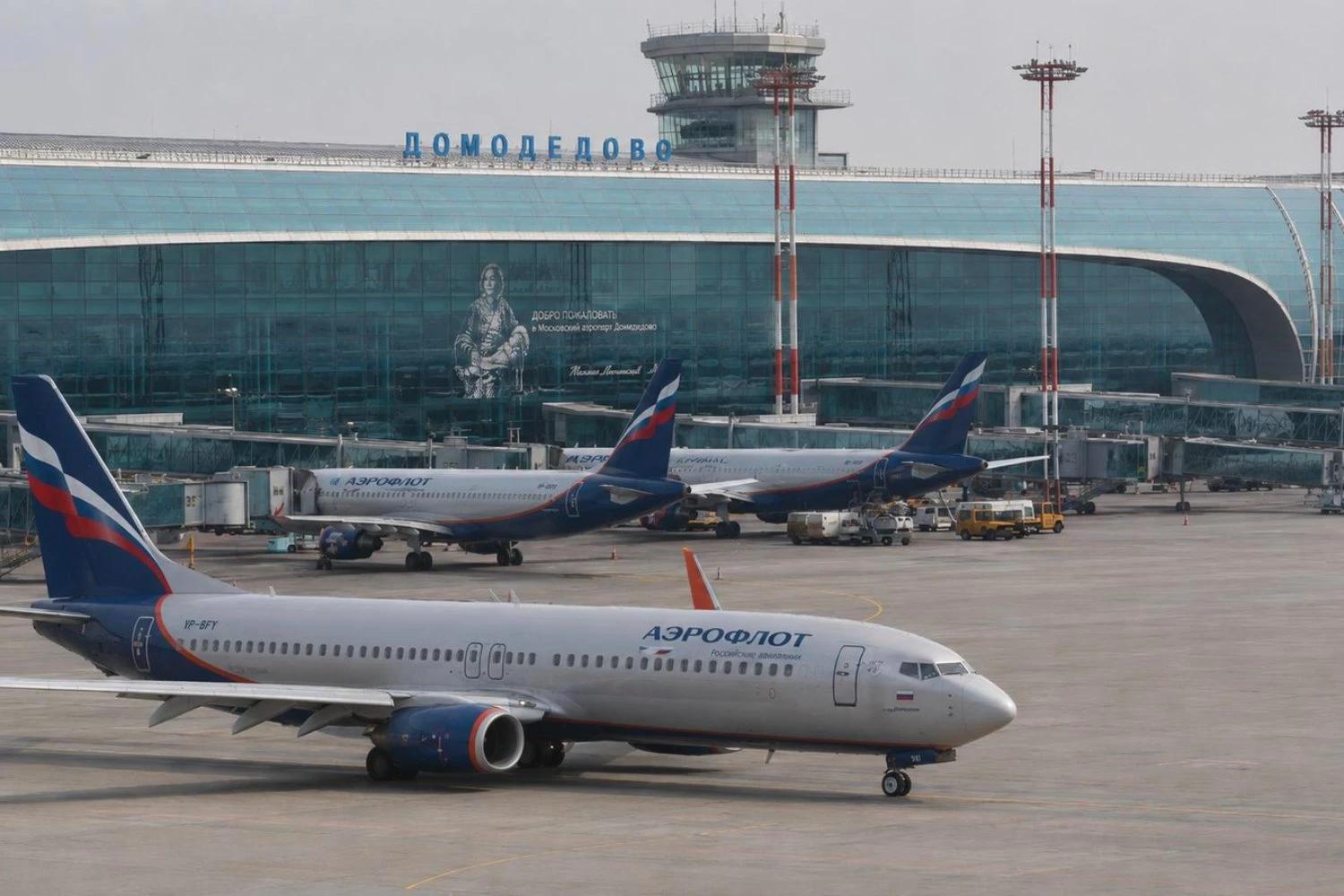
In a separate warning tied to Ukrainian drone operations, Ukrainian President Volodymyr Zelenskyy told airlines that Russian airspace was becoming unsafe, saying, “Russian airspace is becoming completely unsafe.” Zelenskyy stressed that Kyiv does not target civil aviation, saying, “Ukraine does not threaten civil aviation as such, or any civilian aircraft,” while warning that “There will simply be drones in Russia’s skies.”
The Russian response came from Vladimir Putin, who characterized Zelenskyy’s remarks as a “call to state terrorism,” and said, “There are no negotiations with terrorists.” The warning was also framed as a message to aviation stakeholders, with Zelenskyy telling partners, “Today we want to warn all airlines that use Russian airspace, all insurers, and all those who still use Russia’s main airports.”
Pressure, defense, and risk
In Estonia, the incident was linked by Tsahkna to Russia’s war of aggression against Ukraine, with the foreign minister saying it demonstrates “the need to increase pressure on Russia to end its aggression.” Ukraine’s stated next steps after the Estonian episode were to strengthen its air defense and increase pressure on Russia, with Kuleba saying the response to prevent threats from multiplying “is to strengthen Ukraine’s air defense, increase pressure on Russia, and deprive the aggressor of means to continue its war.”
Putin’s counter-position was that any escalation in the Baltic would bring a “devastating” response, as Kremlin Foreign Ministry spokesperson Maria Zakharova warned, “If there is an escalation of the political and military situation in the Baltic, Russia will respond.” As Zelenskyy’s airline warning spread, the stakes described in the sources centered on civilian aviation risk, with Zelenskyy saying, “A sky infested with drones is not a place for civil aviation,” and with NATO’s reaction in Estonia described as “swiftly and exactly as expected” by Tsahkna.