Technology and Science15 May, 20263 min read
Nature Sustainability Study Finds Coal Plant Aerosols Cut Global Solar PV Output 5.8% In 2023
This article is an automated aggregation of coverage from news outlets. Our editorials offer in-depth analysis curated by the NewsCord team.
Coal plant aerosols reduced global PV generation by 5.8% in 2023. Co-located coal and solar infrastructure intensifies PV suppression.
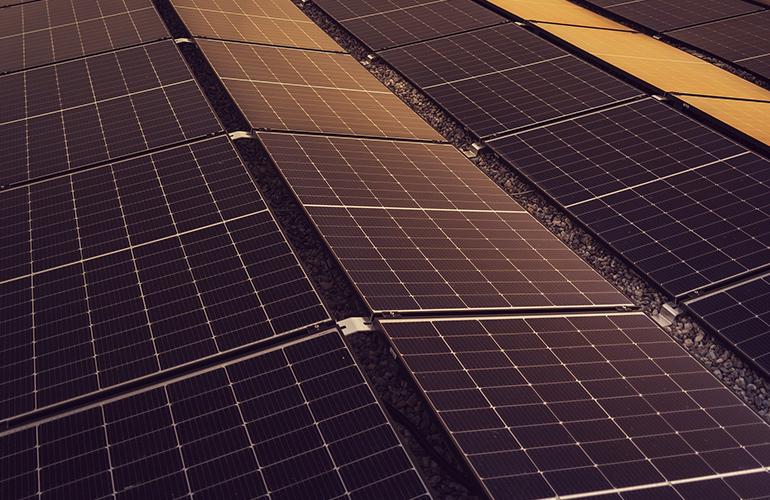
Coal aerosols cut solar
A new Nature Sustainability study says aerosol pollution from co-located coal plants actively suppresses solar photovoltaic (PV) energy production, reducing global PV generation by 5.8% in 2023 (111 TWh). The research estimates that from 2017 to 2023, annual aerosol-induced PV energy losses from existing systems averaged one-third of the energy added by new PV installations, and it reports that in China aerosols caused the largest PV energy losses worldwide, reducing national PV generation by 7.7% in 2023.
The study also contrasts the United States, where co-location of solar and coal plants is limited, with only 3.1% aerosol-induced PV loss, and it frames the problem as a constraint on solar performance that could lead to a systematic overestimation of the transition’s contribution to climate and air quality goals. ScienceBlog describes the same mechanism as “taken by the air itself,” saying aerosol pollution shaved 5.8% off solar photovoltaic output in 2023 and that the lost generation was “enough to supply the entire annual generation of 18 medium-sized coal plants.”
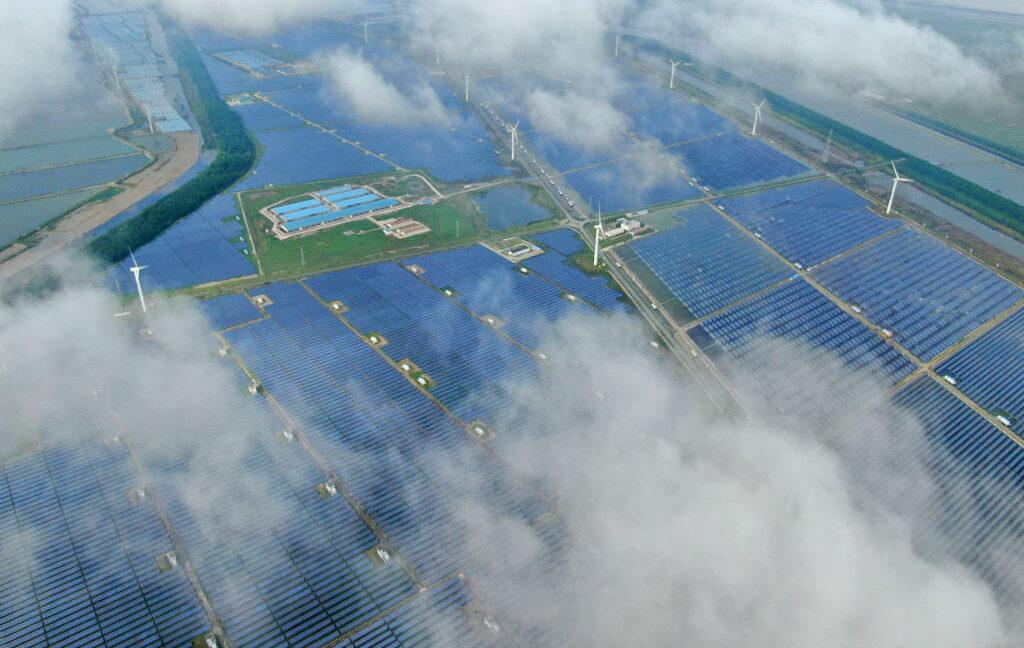
Parallel growth, hidden drag
The study’s findings emphasize that renewable capacity and fossil fuel capacity have not been trading places, with China building solar installations while also keeping coal plants under construction. ScienceBlog reports that in China aerosols cut solar output by 7.7% in 2023 and that the aerosol losses from existing installations ran at 38.4% of the energy added by new capacity on average.
Lead author Dr Rui Song, of the University of Oxford and the Mullard Space Science Laboratory at UCL, said, “We are seeing rapid global expansion of renewable energy, but the effectiveness of that transition is lower than often assumed,” and he added that “As coal and solar expand in parallel, emissions alter the radiation environment, directly undermining the performance of solar generation.” The Nature Sustainability article similarly links the suppression to coal emissions that degrade air quality and reduce surface irradiance, and it notes that limiting global warming to 1.5 °C requires a 45% reduction in greenhouse gas emissions from 2010 levels by 2030 and net-zero emissions by 20501,2.

Policy stakes and next steps
The Nature Sustainability study warns that because coal phase-out is slow, aerosol-related losses risk disrupting a positive feedback loop in which solar deployment should reduce fossil fuel reliance and improve air quality, which in turn enhances PV performance. It reports that PV expansion has been projected to deliver climate and air quality benefits by displacing coal-fired generation, but it says the extent to which renewables displace fossil fuels in practice remains unclear and that clarifying whether PV expansion translates into fossil fuel displacement is essential for tracking progress toward net-zero targets.
ScienceBlog and the Nature Sustainability framing converge on the idea that the “hidden drag” comes from coal-derived aerosols, with ScienceBlog adding that “We are seeing rapid global expansion of renewable energy” while the effectiveness is “lower than often assumed.” The study also points to a policy implication that governments and businesses could overestimate renewable energy output if they do not account for pollution-related solar losses, and it cites the need to shift fossil-fuel subsidies away from coal as a way to address the problem at its source.