Asia07 September, 20263 min read
Nepal Rescuers Use Sniffer Dogs To Recover 26 Bodies After Bhotekoshi Floods
This article is an automated aggregation of coverage from news outlets. Our editorials offer in-depth analysis curated by the NewsCord team.
Sniffer dogs helped locate 26 bodies and body parts buried in flood debris. Aug. 26 Bhotekoshi floods triggered extensive search and rescue operations.
Flood search and dogs
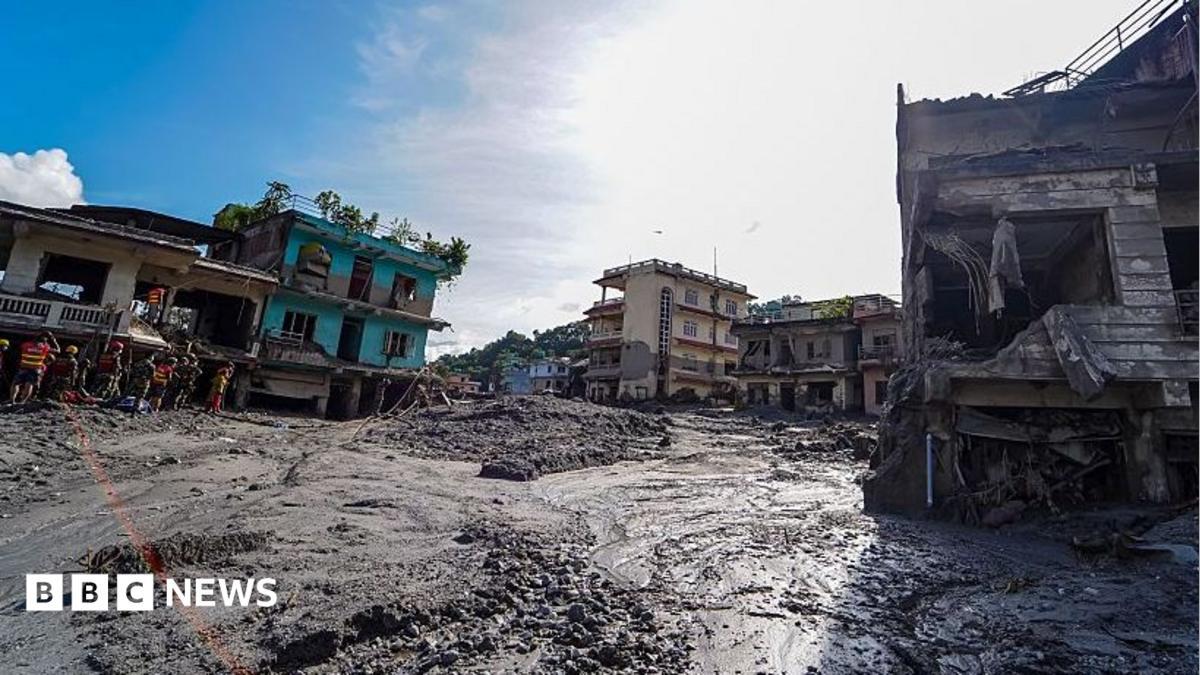
Nepal rescuers continued searching after the August 26 Bhotekoshi floods, with specially trained sniffer dogs helping locate 26 bodies and body parts buried beneath debris, officials said on Sept 7. Nepal Police spokesperson Abinarayan Kafle said, "The canines were fully equipped and deployed on the very day the flood came," as the canine teams worked in unstable debris fields in Rasuwa and neighbouring areas. The floods were triggered by an ice-rock avalanche near the Tibet border, sending a surge of water and debris through the Bhotekoshi River and devastating parts of Rasuwa and neighbouring areas.
Belgian Shepherd Rocky and German Shepherd Jumbo were deployed with their handlers in Timure and Ghattikhola in Rasuwa on August 26, and the two dogs subsequently helped rescuers locate two bodies and a body part. Nepal Police said it deployed five sniffer dogs and 10 handlers, while APF spokesperson Netra Bahadur Karki said the APF had deployed seven canines and 14 handlers across flood-hit areas including Timure, Devighat, Betrawati, Trishuli Bazaar, Dhading and Chitwan.
Crackdown on online abuse
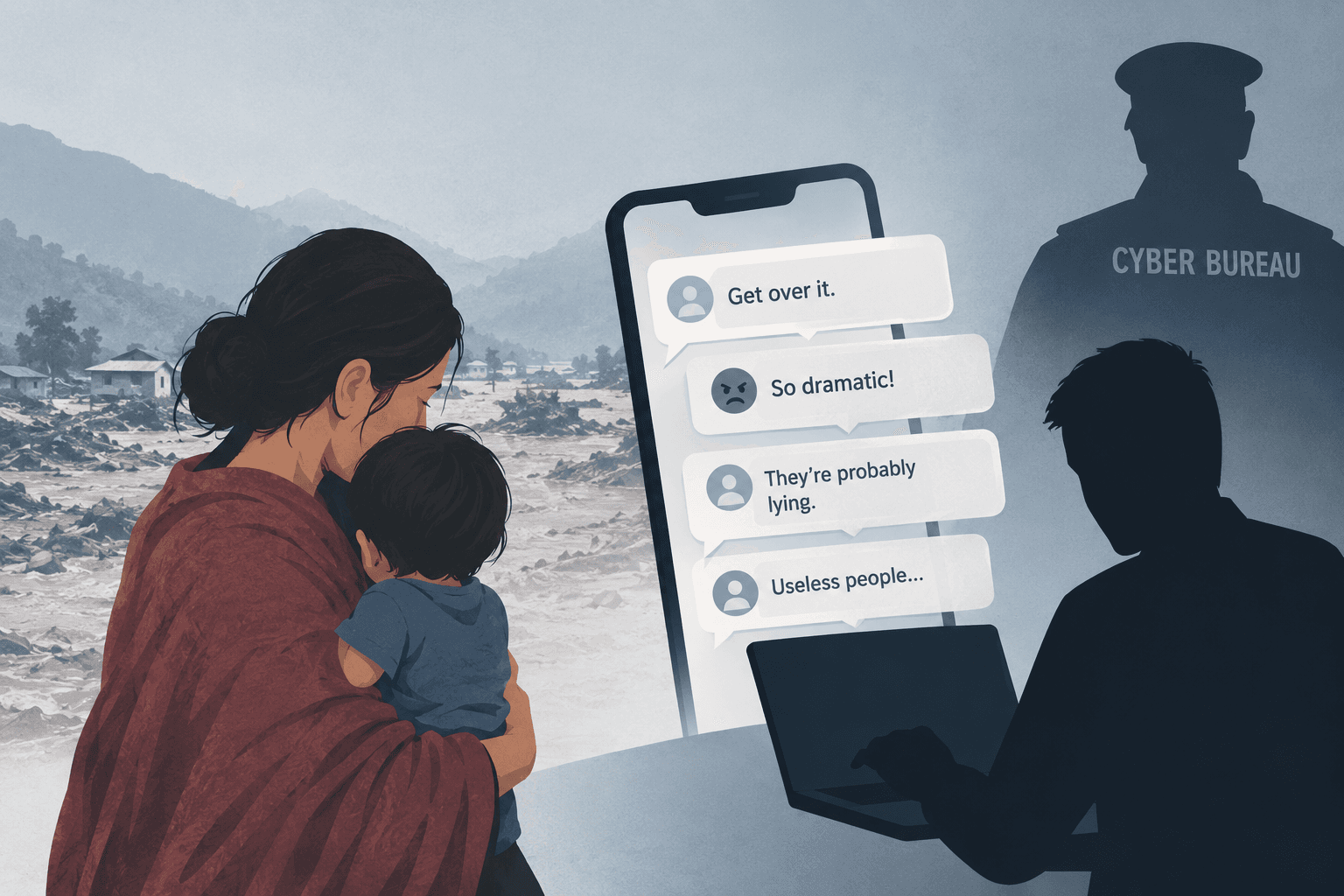
As families searched for relatives missing after the Bhotekoshi floods on August 26, Nepal’s Cyber Bureau formed a 10-member team to investigate social media users accused of posting abusive and hateful comments targeting people affected by the disaster. Prime Minister Balendra Shah warned in a Facebook post on Saturday that those who mocked or harassed people suffering in the aftermath of the disaster would face consequences, writing, "The government will show no leniency towards them." Superintendent of Police Dilip Kumar Giri, spokesperson for the Bureau, said officers were reviewing social media profiles and working to identify addresses and telephone numbers, adding, "A 10-member team is working on this."
The BBC reported that a woman whose brother has been missing since the floods hit two weeks ago said search and rescue operations were too slow, and later wrote that she had "received many nasty comments" after criticizing the search efforts. In a separate case described by the BBC, a young woman said her husband was missing and asked, "can it at least show me his body?" in a video clip that went viral and drew insults and calls for her to be consoled.

Law, arrests, and platforms
Nepali law cited in coverage says the Electronic Transactions Act, 2008 prohibits harassment, humiliation or other indecent conduct through electronic media, with penalties that include fines and prison terms. The BBC said the act allows those who use social media to defame or harass others to be jailed for up to five years and fined up to 100,000 rupees, or both, and described how police were looking into where comments originated. In a separate report, Infobae said Nepal Police formed a special ten-member team to track and identify abuses and hate speech on the internet against victims, and that the operation had already resulted in the arrest of three people for racist comments and spreading misinformation.
Infobae reported that police filed a formal complaint against Birendra Madai, arrested Saturday in Kathmandu after posting messages expressing joy that members of ethnic communities were among those swept away, and quoted him writing, "I’m glad the flood dragged away these rai, limbu and tamang, the people of the ethnic communities." Infobae also said the Cyber Bureau had received 173 complaints related to problematic content on social networks and that it had written to Meta to remove 168 Facebook page posts, four TikTok posts and one Instagram post, after platforms removed at least 83 posts including 79 on Facebook.