Asia23 September, 20263 min read
Nepal Supreme Court Orders Release Of Political Analyst Bharat Dahal After Arrest Explanation
This article is an automated aggregation of coverage from news outlets. Our editorials offer in-depth analysis curated by the NewsCord team.
Supreme Court ordered release, citing Bharat Dahal’s freedom of expression. Court demanded government explain arrest grounds via show-cause order.

7 outlets told this the same way.
Arrest challenged in court
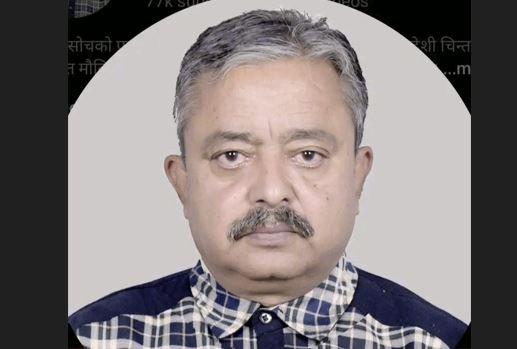
Nepal’s Supreme Court ordered the government to explain the grounds and reasons for the arrest of political analyst Bharat Dahal after a habeas corpus petition filed by his daughter, Denika, challenged his detention on charges of spreading rumors against the government. A bench of Justice Kumar Regmi issued the show-cause order while hearing the petition, and the bench directed the respondents to submit a written response explaining the basis and reasons for Dahal’s arrest. The Cyber Bureau of Nepal Police obtained a three-day remand from the court to investigate Dahal, who was arrested Sunday from Salakpur in Morang after traveling to Koshi Province on September 18 to participate in political discussions and programs.
“The Supreme Court (SC) has ordered the government to explain the grounds and reasons for the arrest of political analyst Bharat Dahal.”
Police took Dahal into custody from a tea shop in Salakpur, Sundarharaicha Municipality-8, and the sources tied the arrest to allegations that he disseminated on social media a report published by US media outlet The Grayzone about Nepal’s Gen Z movement. The Supreme Court’s later order also directed Nepal Police’s Cyber Bureau to release Dahal and continue any necessary investigation while keeping him on a date to appear before the authorities.
Freedom of expression ruling
The Supreme Court observed that Dahal’s recent statements amounted to an exercise of his freedom of thought and expression and ordered his release from custody. The joint bench of Justices Kumar Regmi and Sunil Kumar Pokharel directed Nepal Police’s Cyber Bureau to release Dahal and continue any necessary investigation while keeping him on a date to appear before the authorities. The court said the investigation file did not show sufficient grounds for keeping Dahal in custody and noted that Dahal did not appear to have called for a violent movement against the Constitution or the law.
The order stated, “Since it does not appear that he called for a violent movement against the Constitution and the law, and appears to have peacefully exercised the right to freedom of thought and expression guaranteed by Article 17(2)(a), no basis or reason requiring his continued detention is seen from the investigation file,”. The court also said it could conduct any further investigation while Dahal remained outside custody, and it ordered release while directing that the investigation continue with him on a date to appear.
Opposition demands answers
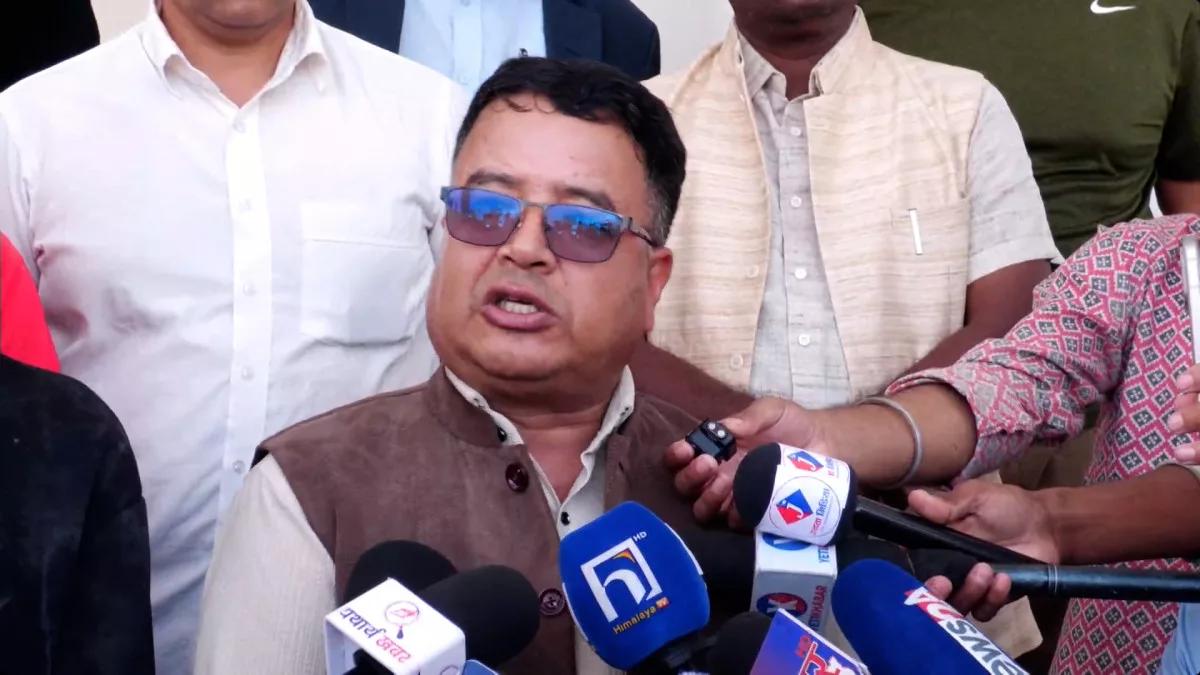
CPN-UML Secretary Mahesh Basnet demanded public clarity on allegations connected to The Grayzone report and said individuals whose names are linked in the report must provide clear answers and explanations to the public. Basnet told journalists after a meeting of the Election Review and Reorganization Task Force at the party’s central office in Chyasal that if the report is false, the concerned individuals should refute it, otherwise they should answer the questions raised in the report. Basnet also raised questions about the arrest of Bharat Dahal for allegedly explaining the report, and he argued that arresting someone for speaking about the report instead of factually refuting issues if the report is false has generated further questions.
Basnet said the names of Prime Minister Balendra Shah, Rastriya Swatantra Party Chairman Ravi Lamichhane, Home Minister Sudhan Gurung, and MP Ranju Darshana, among others, are linked in the report and they must provide serious answers. Basnet called for an impartial investigation into the damage to important state structures like Singha Durbar, the Supreme Court, and Parliament, and he said those proven guilty should be severely punished according to the law and rejected by the public politically.