Middle East · 09 August, 2026 · 3 min read
Netanyahu And Israel Katz Approve “Green Rafah” Residential Zone In Eastern Rafah
Netanyahu and Katz quietly approved reconstruction in eastern Rafah, per Israeli Army Radio. Approval occurred about two weeks ago, away from public eyes, with no official announcement.
Motivation and effects of 'Green Rafah' (humanitarian vs demographic control).
7 of 9 outlets skipped it: no mobile homes/caravans until at least November 2026.
18outlets compared
Same story, two versions
tap a side to read it in full
Al Jazeera
“projects such as “Green Rafah” are designed to create isolated cantons under total Israeli administrative and security control.”Read the original ↗
Latest news from Azerbaijan
“It would eventually come under the control of a multinational force.”Read the original ↗
Al Jazeera and The New Arab frame Green Rafah as control; others stress pilot reconstruction and screening.
Green Rafah cleared
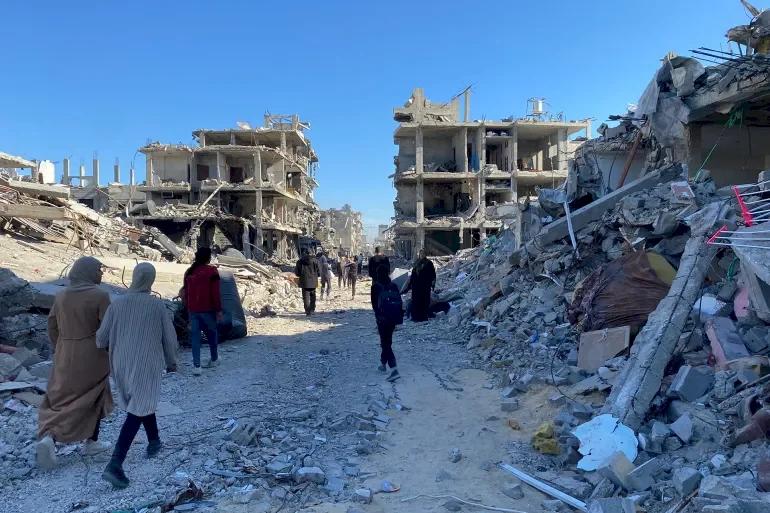
Israel has approved infrastructure work for a new residential zone in eastern Rafah under the so-called “Yellow Line,” with Israeli media describing the project as “Green Rafah” and saying it is backed by Prime Minister Benjamin Netanyahu and Defence Minister Israel Katz. Army Radio reported that the initiative is aimed at establishing temporary housing “free” of the influence of the Palestinian group Hamas, while the Israeli military would supervise the installation of water, sewage and electrical infrastructure.
The plan also includes security screening by the Shin Bet intelligence agency for Palestinian labourers entering the area, and Israeli authorities reportedly banned the entry of “caravans” or mobile homes into the area until at least November. Palestinian political researcher Ahmed al-Atawneh warned that projects such as “Green Rafah” are designed to create isolated cantons under total Israeli administrative and security control, leaving Palestinians with “Either they fully submit to Israeli policies, face death or imprisonment if they resist, or emigrate.”

Competing narratives
The New Arab reported that Netanyahu and Israel Katz “quietly authorised work” in “Green Rafah” on the Israeli-controlled side of the Yellow Line, and said Israeli Army Radio described the zone as intended to house Palestinians outside Hamas control in an area that is “completely levelled and is currently empty.” Daniel Levy, president of the US/Middle East Project and a former Israeli peace negotiator, told The New Arab that “The twilight grey zone nature of this is by design, it’s not a bug,” describing the arrangements as both “a business model and a smoke and mirrors model.”
At the same time, Netanyahu’s office disputed the Israeli media account, telling Army Radio that the report “distorts the facts and republishes outdated information,” and said the project was a UAE-backed pilot initiative underway for several months. The Times of Israel reported that Transportation Minister Miri Regev said, “We want Gaza to recover,” adding that rebuilding work can begin in any area of Gaza not under Hamas control, while the Israel Envelope Forum and Tzav 9 condemned the idea that any “demilitarized zone” exists that is not held by fighters.

International force and stakes
Alongside the administrative zones, preparations are moving forward to deploy a limited International Stabilization Force (ISF), with reports naming countries such as Morocco and Uganda and describing contingents of around 200 troops each.
“If you’re creating this green zone type thing, what do you have to do before you build it? You have to finish destroying everything.”
Al-Aila said the mandate of the force is a major point of contention, arguing that Palestinians want “a protection and separation force that shields them from the occupation and guarantees the implementation of agreements,” while Israel wants it to become “a security arm tasked with disarming and pursuing the resistance.”
Al-Atawneh argued that the only counter-strategy to engineered fragmentation is “robust Palestinian unity,” stressing the need for a unified Palestinian administration and a national consensus government.
The New Arab framed the broader stakes as whether reconstruction east of the Yellow Line could entrench military division into civilian and political control, while Levy warned that “If you’re creating this green zone type thing, what do you have to do before you build it? You have to finish destroying everything.”