Syriaupdated 1h ago3 min read
Syrian Petroleum Company Unloads Starling Tanker With Saudi Aramco Diesel at Baniyas Terminal
This article is an automated aggregation of coverage from news outlets. Our editorials offer in-depth analysis curated by the NewsCord team.
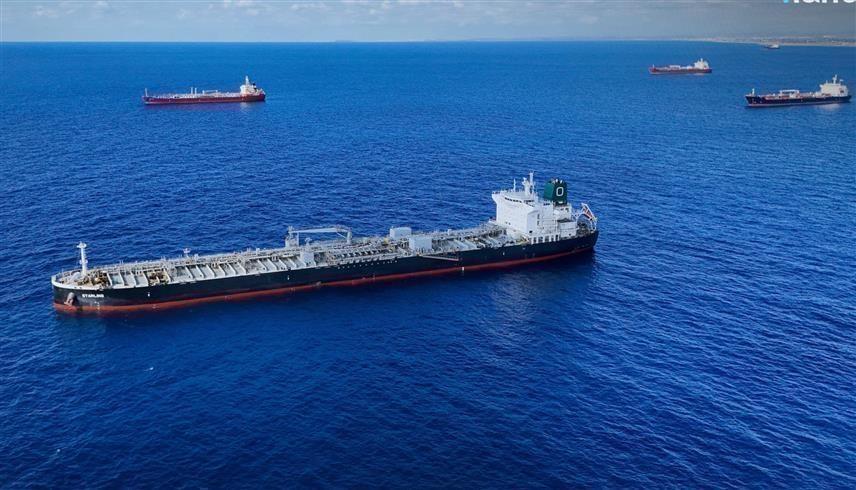
First Saudi Aramco diesel shipment arrives at Banias port aboard Starling, about 63,000 tons. Syrian Petroleum Company begins unloading at Baniyas to diversify imports and stabilize supply.
5 outlets told this the same way.
Outlets did split on Aleppo Military Court Sentences Al-Wadih Ismail And Maher Ali To Death Over Syrian Coast Violations →
Aramco diesel reaches Banias
The Syrian Petroleum Company began unloading the Starling tanker at the Baniyas oil terminal on Monday, carrying about 63,784 metric tons of diesel in what SANA described as the first shipment from Saudi Aramco under an agreement between the two sides.
Jamil Wahoud, head of tanker berthing and pilotage at the Syrian Petroleum Company, told SANA that the shipment is a trial shipment intended to strengthen cooperation with Aramco and secure petroleum products for the domestic market.

The Central Bank of Syria announced on Oct. 11 that it processed the first documentary credit for the Syrian Petroleum Company, in coordination with a major U.S. bank, to import petroleum products from Saudi Aramco.
SANA said the transaction was the first of its kind in 14 years, and it described the mechanism as providing an official banking channel for the transaction.
The Syrian Petroleum Company said the shipment followed the processing of that documentary credit for petroleum product imports through the Central Bank of Syria.
Banking mechanism and test
The Syrian Petroleum Company said the diesel shipment is experimental and aims to strengthen cooperation with Saudi Aramco while securing the local market’s needs for petroleum derivatives. The Central Bank of Syria said the documentary credit “the operation provides an official banking route to fund the supply of petroleum products and provides a tool to execute and settle the deal.” Jalal Jarad, Director of Trade and Marketing at the Syrian Petroleum Company, said the initial expectations of the agreement include supplying about five shipments of fuel per month, distributed as three shipments of diesel and two shipments of gasoline.
The same account said the total targeted quantities range between 1.5 million and 2 million barrels per month, with the financial value to be determined according to prices of oil and derivatives in global markets. The Syrian Petroleum Company also pointed to ongoing negotiations to import a specific amount of light Saudi crude for the Banyas refinery, with the possibility that a supply agreement could broaden the commercial relationship to include crude alongside refined products.

Fuel stability and market stakes
Energy affairs researcher Mushab Shabeeb said the arrival of the diesel shipment from Aramco carries clear implications, most notably stabilizing the supply of petroleum derivatives to the Syrian market after shortages led to car queues at fuel stations in various Syrian cities. Shabeeb also linked the shipment to quality concerns, saying that the problem of adulterated gasoline affected a large number of cars and that Aramco’s product is known worldwide for its quality and high specifications. The Syrian Ministry of Energy said Syria’s needs amount to about 300,000 barrels per day of oil and derivatives, versus domestic crude oil production of about 100,000 barrels per day, meaning Syria must cover part of its needs through import.
The ministry’s statement said Syria’s daily demand for diesel is about 7.72 million liters, of which 3.09 million liters are locally produced and 4.63 million liters are imported, meaning about 60 percent of the supply depends on imports. The shipment arrived as Syrian provinces including Aleppo, Hama, Idlib, and Homs experienced disruptions in fuel supplies, with diesel shortages and some gas stations halting sales due to depletion or delayed deliveries.