Gaza Genocide29 September, 20252 min read
Netanyahu Endorses Trump’s Gaza Plan and Threatens to Finish War if Hamas Rejects It
Netanyahu endorses Trump’s 20-point Gaza peace plan including ceasefire and hostage release. Plan proposes temporary Gaza governance led by Trump and Tony Blair, excluding Hamas involvement.

31 outlets told this the same way.
Outlets did split on Israel Marks Oct. 7 Anniversary With Strikes on Gaza, Netanyahu Faces Election After Nova Tribute →
Peace Plan for Gaza Conflict
Israeli Prime Minister Benjamin Netanyahu has publicly endorsed a 20-point peace plan proposed by former U.S. President Donald Trump, aimed at ending the war in Gaza.
“Netanyahu warned that if Hamas rejects or undermines the plan, Israel will act unilaterally to 'finish the job,' either peacefully or by force.”
The plan, which Netanyahu supports, includes a ceasefire, the release of Israeli hostages, and the establishment of a temporary technocratic administration in Gaza.

Netanyahu has warned that if the militant group rejects the plan, Israel will continue its military operations to "finish the job," a statement that underscores his commitment to military action if necessary.
The plan also involves disarming the militant group and excluding them from any future governance role in Gaza, with a transitional government overseen by an international body chaired by Trump.
Reactions to Hostage Plan
The plan has been met with mixed reactions. Some Israeli families of hostages have welcomed the proposal. Critics on the Israeli right have rejected it.
Hamas, which was not involved in drafting the plan, has reportedly not received a written copy and opposes key measures such as disarmament. The plan's success hinges on Hamas's acceptance, which remains uncertain. Trump has warned that if Hamas rejects the deal, Israel will have full U.S. backing to continue military action.
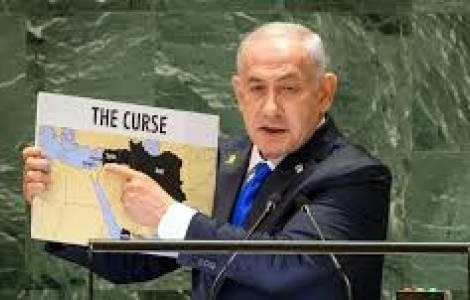
This stance is echoed by Netanyahu, who has signaled limited troop repositioning before any hostage exchange. Netanyahu emphasized that Israel would resume full military operations if Hamas stalls or rejects the plan.
Economic and Security Plan for Gaza
The plan's economic component, called the "Trump economic development plan," aims to rebuild Gaza with a special economic zone. It encourages Palestinians to stay and participate in reconstruction efforts. This part of the plan is intended to stabilize the region both economically and politically.
“The plan, supported by President Donald Trump and former British Prime Minister Tony Blair, proposes disarming Hamas, establishing a technocratic Palestinian committee to govern Gaza, and creating an international 'peace board' chaired by Trump to oversee Gaza’s redevelopment and security.”
However, there is skepticism about the feasibility of the plan due to ongoing hostilities and political divisions. The plan also proposes an international stabilization force to support vetted Palestinian police. Governance would be temporarily managed by a technocratic Palestinian committee overseen by an international "Board of Peace."
Reactions to Peace Plan
The international response to the plan has been varied. Some Arab states have expressed readiness to cooperate in finalizing and implementing the agreement, while others remain skeptical. The Palestinian Authority has welcomed Trump's efforts but reaffirmed its commitment to a two-state solution, which Netanyahu rejects.
Meanwhile, Islamic Jihad has condemned the plan, viewing it as a continuation of aggression and regional instability. The plan's announcement follows a controversial Israeli airstrike in Qatar, which led to an apology from Netanyahu to Qatar’s Prime Minister, highlighting the complex diplomatic landscape surrounding the proposal.
