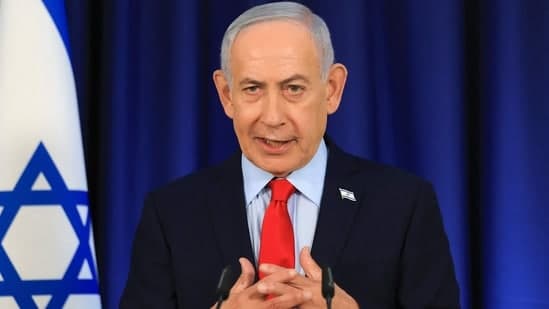
Netanyahu says Iran has no capacity to enrich uranium, denies dragging US into war
Key Takeaways
- Israel did not drag the United States into Iran war.
- Iran has no capacity to enrich uranium.
- Netanyahu says Trump did not need to be convinced to enter war.
US-Israel Relations
Israeli Prime Minister Benjamin Netanyahu forcefully denied allegations that Israel had dragged the United States into its conflict with Iran, dismissing such reports as 'fake news' during a press conference.
“Trending: West Asia war Iran leadership American arrested in India Joe Kent revelations Dhurandhar 2 movie review advertisement 'Do you think anyone can tell Trump what to do”
Netanyahu challenged the notion that any leader could influence President Trump's decision-making, rhetorically asking 'Does anyone really think that someone can tell President Trump what to do?'
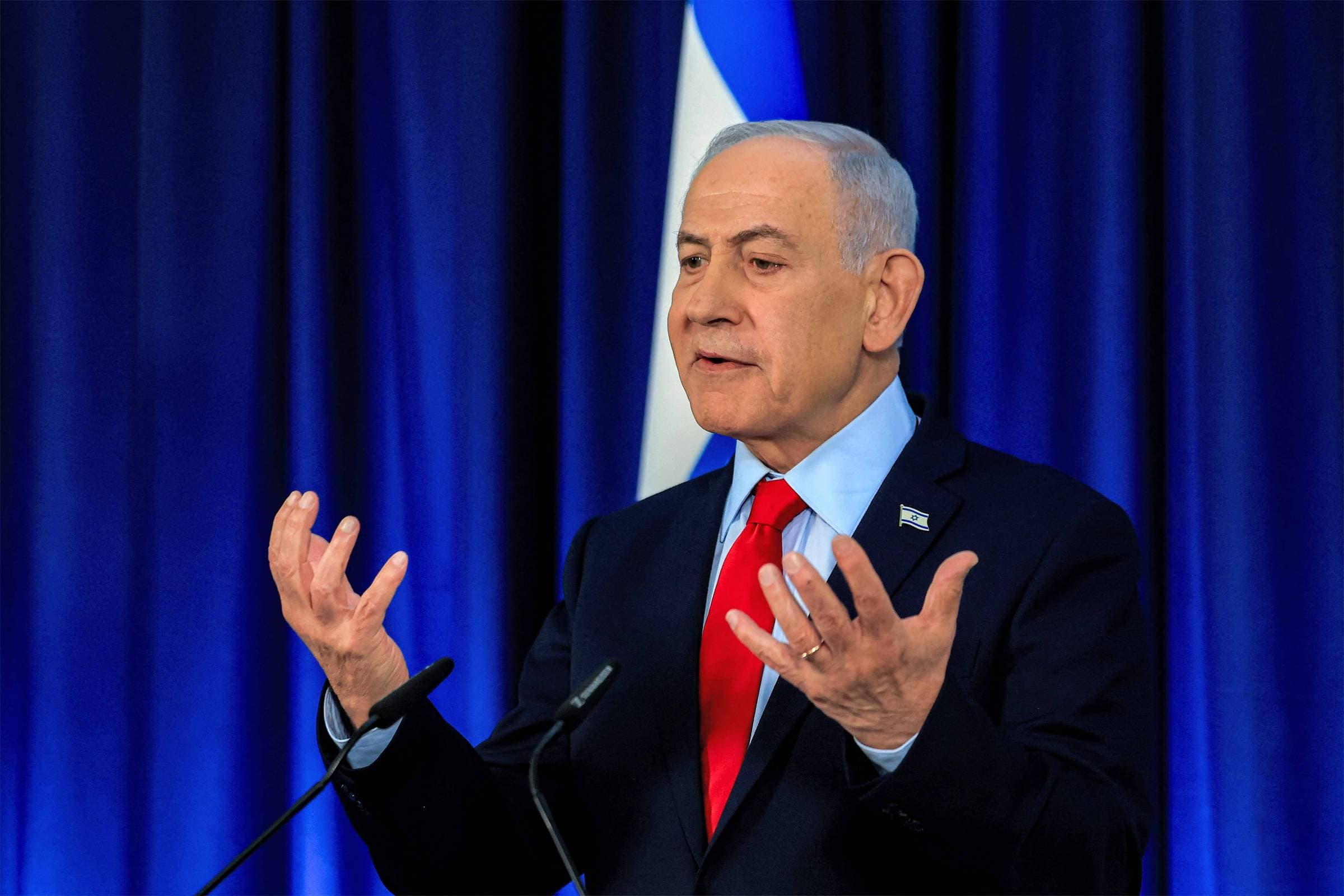
He emphasized that Trump always makes decisions based on what he believes is good for America.
The Israeli leader also confirmed that Israel acted independently in its attack on Iran's South Pars gas field, stating 'Fact number one: Israel acted alone against the Assaluyeh gas compound,'
while acknowledging Trump had requested they hold off on future attacks.
Netanyahu highlighted the close coordination between the two leaders, claiming 'I don't think any two leaders have been as coordinated as President Trump and I. He's the leader. I'm, you know, his ally,'
though he also noted Trump did not need persuasion about Iran's nuclear threat since Trump already understood the risks.
Iran's Capabilities
Netanyahu made bold claims about Iran's diminished military and nuclear capabilities, stating that after 20 days of war, Iran now has 'no capacity' to enrich uranium or manufacture ballistic missiles.
The Israeli Prime Minister asserted that 'we are winning and Iran is being decimated,' presenting his country's military campaign as having successfully crippled Iran's industrial and technological capabilities.
Netanyahu specifically claimed that Israel has taken action to 'destroy the industries that make it possible to build missiles,' leaving Iran unable to pursue its nuclear ambitions.
These assertions came while the conflict had already killed thousands of people and spread to neighboring nations, with significant global economic impacts.
Netanyahu's claims about Iran's incapacitated nuclear program stood in contrast to the broader regional instability and humanitarian costs of the ongoing war, which had begun with US and Israeli strikes on February 28 after nuclear talks with Tehran failed to yield a deal.
Strategic Chokepoints
Regarding Iran's threats to close the Strait of Hormuz, Netanyahu dismissed such measures as ineffective blackmail that 'won't work.'
“Netanyahu says Iran has ‘no capacity’ to enrich uranium, denies ‘dragging’ US into war Netanyahu said that Iran’s threats to close the Strait of Hormuz would “not work” and expressed confidence that the war could end sooner than expected”
The Israeli Prime Minister characterized Iran's potential closure of the key international maritime route as an attempt to 'blackmail the world,'
while simultaneously advocating for alternative transportation infrastructure to avoid the strategic chokepoint.
Netanyahu stressed the need to develop oil and gas pipelines going west through the Arabian Peninsula, extending 'right up to Israel and Mediterranean ports' to reduce dependence on Hormuz.
This strategic vision reflected Israel's broader regional economic and security interests, positioning the country as a potential alternative energy hub.
Netanyahu's dismissal of Iran's Hormuz threats came amid regional tensions that had already seen energy infrastructure targeted, including attacks on Qatar's Ras Laffan Industrial City and Saudi Arabia's main Red Sea port, which had been diverting exports to avoid Hormuz.
The Israeli leader's focus on alternative routes demonstrated a long-term strategic approach to neutralizing Iran's economic leverage in the region.
Conflict Timeline
Netanyahu expressed optimism about the conflict's duration, predicting that the war with Iran could end 'a lot faster than people think.'
The Israeli Prime Minister conveyed confidence in his country's military strategy and effectiveness, suggesting that the ongoing campaign was achieving its objectives more swiftly than anticipated.
This upbeat assessment came despite the conflict's already devastating human and economic toll, which had resulted in thousands of deaths and significant regional spillover effects.
Netanyahu's prediction of an imminent end to the war stood in contrast to the broader regional instability and the complex geopolitical dynamics at play.
The Israeli leader's projection of a swift conclusion may have been intended to bolster domestic and international confidence in his government's handling of the escalating crisis,
while also serving as a strategic communication effort to shape perceptions of the conflict's trajectory amidst growing global concern about its humanitarian and economic consequences.
Allied Coordination
The evolving dynamics of US-Israel cooperation revealed tensions alongside coordination in the Iran conflict.
“The Prime Minister of Israel, Binyamin Netanyahu, stated on Thursday (19) that 'I didn't mislead anyone' and that U”
While Netanyahu emphasized the close partnership between himself and President Trump, describing their coordination as unprecedented among world leaders, practical disagreements emerged regarding targeting Iranian energy infrastructure.
Trump publicly instructed Netanyahu not to repeat attacks on Iranian natural gas sites, stating 'I told him, 'Don't do that', and he won't do that,' after energy prices spiraled following tit-for-tat strikes on energy plants.
The US president expressed particular concern about rising fuel prices affecting his core voters ahead of November's midterm elections, making him politically vulnerable to economic fallout from the conflict.
Netanyahu confirmed Trump's request to 'hold off on future attacks,' though Israel had already demonstrated its independence by acting alone in the initial strike on Iran's South Pars gas field.
This complex interplay between the allies highlighted both the strength of their strategic partnership and the different domestic political and economic calculations each leader faced in managing the escalating conflict.
More on Iran
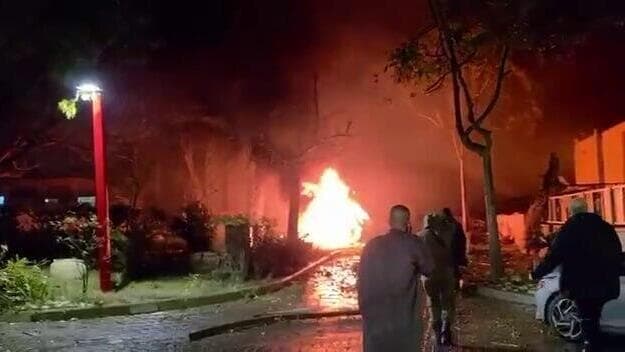
Iran Attacks Israeli Towns Dimona and Arad Near Israel's Main Nuclear Research Center, Dozens Wounded
43 sources compared
Iran Attacks Dimona in Retaliation for Natanz Strike
44 sources compared

Iran Attacks Diego Garcia with Long-Range Missiles, Targeting U.S.-UK Base
82 sources compared
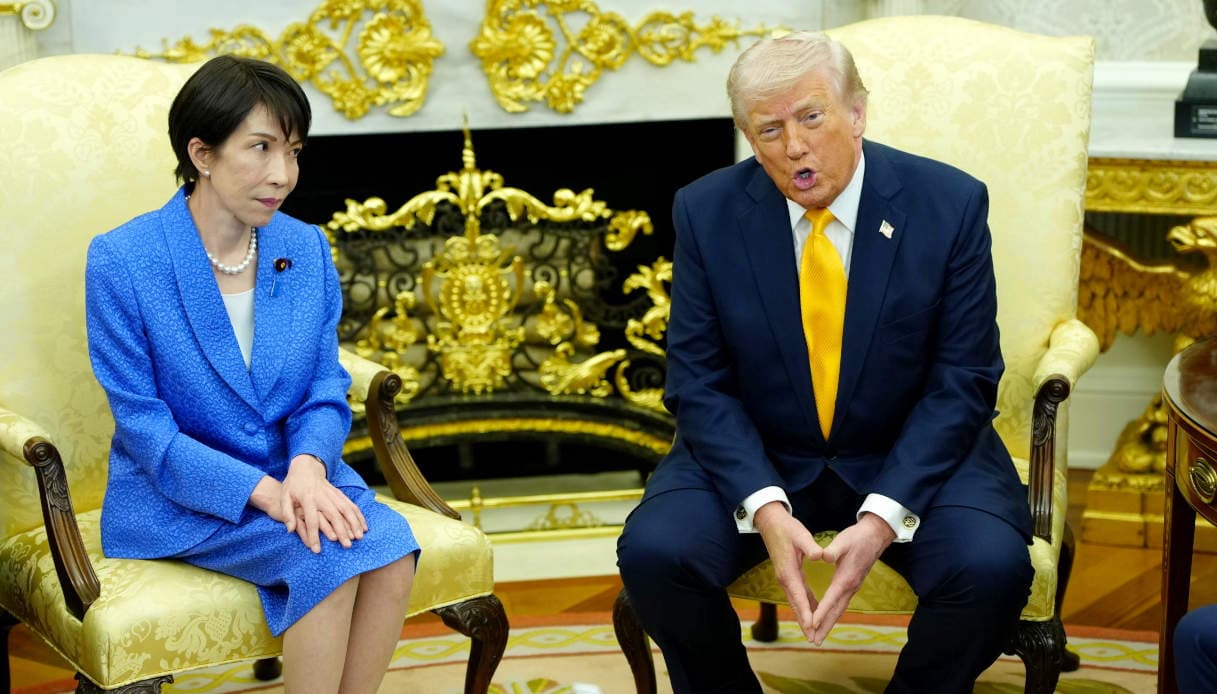
Trump Defends Iran War by Citing Pearl Harbor
12 sources compared