
Netanyahu Says Israel Will Not Leave Southern Lebanon Until Hezbollah Is Disarmed
Key Takeaways
- Netanyahu vows not to leave southern Lebanon while Hezbollah remains threat; Katz echoes disarmament demand.
- A US-brokered trilateral framework ties Israeli withdrawal to Hezbollah disarmament and aims for ending conflict.
- Analysts warn framework may entrench status quo; Lebanese opposition questions sovereignty and feasibility.
Netanyahu vows to stay
Israeli Prime Minister Benjamin Netanyahu told troops in southern Lebanon on Tuesday that the military “will not leave” the area as long as Hezbollah remains a “threat” to his nation, and Israeli Defence Minister Israel Katz said Israel will not withdraw “a millimetre” until Hezbollah is disarmed.
“As he visited troops in southern Lebanon on Tuesday, Israeli Prime Minister Benjamin Netanyahu declared that the military “will not leave” the area as long as the Iran-backed armed group Hezbollah remains a “threat” to his nation”
The Al Jazeera report said the Israeli stance clashes with the first clause of the US-Iran Memorandum of Understanding (MoU), which provides for an immediate, permanent halt to fighting on “all fronts”, including in Lebanon where Israeli forces have occupied approximately one-fifth of the country since early March.

Al Jazeera also described a US-brokered framework agreement between Israel and the Lebanese government that “doesn’t require Israeli forces to leave southern Lebanon or halt attacks,” while Hezbollah denounced the deal.
The same report quoted professor of international history and politics at the Geneva Graduate Institute Cyrus Schayegh saying Netanyahu faces a “lose-lose” balancing act as elections are expected around October and Washington wants the Israel-Hezbollah front to avoid unraveling broader US-Iran negotiations.
Framework signed, Hezbollah rejects
On Friday, June 26, 2026, representatives of Lebanon, Israel, and the United States signed a trilateral framework agreement in Washington, D.C., with the BBC describing it as a 14-clause path toward ending the conflict and allowing Lebanon to regain sovereignty alongside a gradual withdrawal of Israeli forces.
The BBC said U.S. Secretary of State Marco Rubio described the agreement as 'the first step in what will no doubt be a difficult journey, but one that is important and necessary.'

Hezbollah rejected the framework, and the BBC reported its secretary-general, Naim Qassem, stating in a Saturday, June 27 statement that 'the framework agreement in Washington is humiliating, shameful, and a concession of sovereignty. This agreement is non-existent.'
In parallel, the Middle East Monitor reported that the 14-point U.S.-brokered framework signed in Washington on June 26 is being presented as a way to end immediate fighting, but its language seeks to establish a new security order in southern Lebanon with the Lebanese state as the sole authority entitled to use force and Hezbollah losing its military role.
Violations, casualties, and stakes
As the framework implementation phase began after the signing, Anadolu Ajansı reported that on Wednesday the Israeli army committed four violations of the framework agreement, targeting areas in the Nabatieh, Bint Jbeil, and Marjeyoun districts.
Anadolu Ajansı said the Lebanese Health Ministry announced that the death toll from the Israeli aggression against the country had risen to 4,297 killed and 12,196 wounded since March 2, after recording 19 deaths in the last 24 hours.
The same Anadolu Ajansı report said the framework agreement did not specify a timetable for withdrawal from the two zones or from all territory and tied withdrawals to the Lebanese army taking full and effective security responsibility, while Hezbollah said the agreement is nonexistent and humiliating.
Radio France quoted professor Karim Émile Bitar describing a “devastating assessment” of Lebanon’s situation, citing more than 4,000 dead and more than 1.3 million refugees, and warning that the agreement’s conditions increase the risks of internal tensions.
More on Lebanon
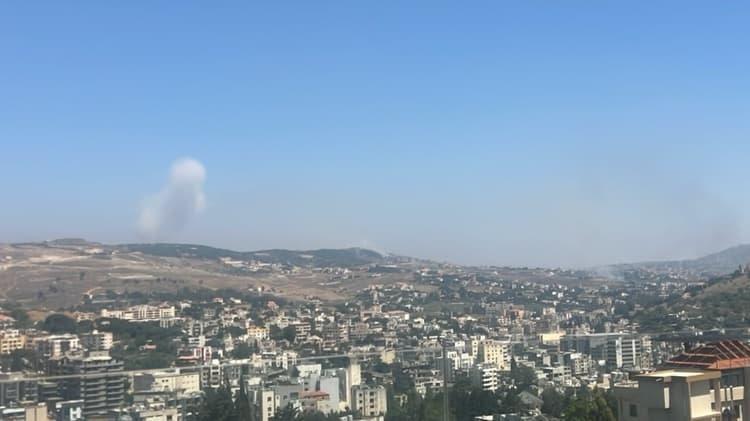
Israeli Airstrikes Kill One in Nabatieh Despite Ceasefire, Netanyahu Says He Will Intensify Operations
17 sources compared
Israel Launches Airstrikes in Southern Lebanon Hours After Lebanon Signs Framework Agreement
11 sources compared

Israeli Airstrikes Hit Nabatieh al-Fouqa and Kfar Tabnit After Ceasefire With Hezbollah
11 sources compared
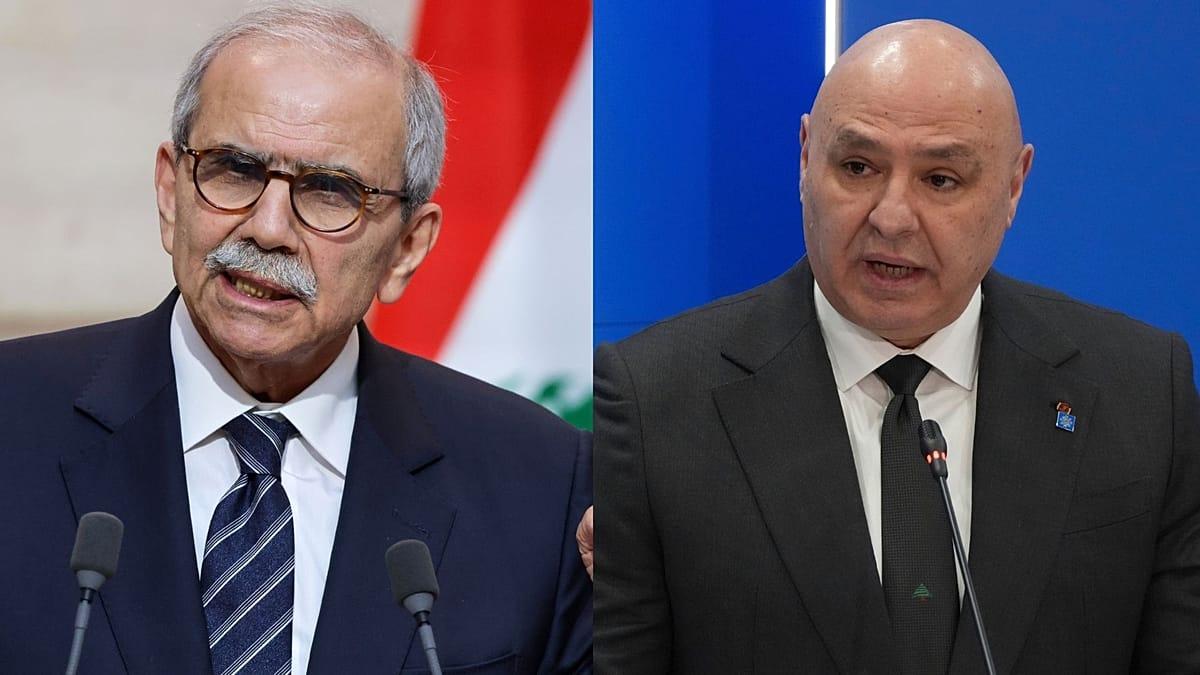
Joseph Aoun and Nawaf Salam Urge Hezbollah to Hand Over Weapons Under State Authority
11 sources compared