
Netanyahu Says Israel Won’t Withdraw From Southern Lebanon Until Hezbollah Threat Is Removed
Key Takeaways
- Israel postpones withdrawal from two pilot zones in southern Lebanon.
- US-brokered framework designates Zawtar and Froun (Froun and Ghandourieh) as pilot zones.
- Lebanese opposition denounces the deal as one-sided and controversial.
Framework, pilot zones, delay
Israel’s framework agreement with Lebanon, signed last week and described as a 14-point deal, is being implemented through a tentative, limited “redeployment” to two “pilot zones,” with Israel allowing the Lebanese army to enter but not taking “full and effective security responsibility” until Hezbollah’s military capabilities are fully dismantled.
“link Israeli and Lebanese flags at the South Lebanon Army (SLA) Memorial near Metula, following the signing of an agreement between Israel and Lebanon, June 28, 2026”
Israeli Prime Minister Benjamin Netanyahu visited occupied Lebanese territory on Tuesday and told soldiers that Israel would not withdraw from southern Lebanon “until the threat is removed,” saying “And as long as Hezbollah remains here, armed and threatening us, we will remain here as well.”

The National reported Israeli officials told Lebanon that leaving the two designated “pilot zones” will “take time,” with the first pilot zone in Zawtar north of the Litani river and next to Beaufort Castle and the second covering Froun and Ghandourieh south of the Litani.
Anadolu Ajansı reported Israel decided to postpone withdrawal from two pilot areas in southern Lebanon, citing an alleged need to “wait until a joint monitoring mechanism is established with Beirut,” and said there are “currently no timetables.”
Who oversees disarmament
The National said the deal places the onus on the Lebanese army to clear Hezbollah from designated zones, warning that confronting Hezbollah could lead to civil war, while also quoting Lebanese President Joseph Aoun saying occasional “campaigns of doubt and slander” against the army would not affect its performance.
In the same reporting, The National said Aoun met Gen Rodolphe Haykal, who praised the “role played by the army to extend the authority of the state, maintain security and stability in the country, control the borders and protect civil peace,” and that Aoun and Haykal met CENTCOM commander ADM Brad Cooper expected to oversee the first stages of the framework agreement.

+972 Magazine argued that the “only roadmap” to the end of Israel’s occupation of southern Lebanon is a tentative “redeployment” to two “pilot zones,” and said the word “withdrawal” is nowhere to be found in the 14-point “framework agreement.”
+972 Magazine also said the question of who determines whether a zone is demilitarized is answered by Israel, “the very state occupying Lebanese lands,” and framed the outcome as legitimizing Israel’s occupation of all territory it deems a security risk.
Casualties, displacement, stakes
The New Arab said Israel invaded Lebanon after it was fired upon by Hezbollah on March 2 in response to the U.S. and Israel attacking Iran on 28 February, and it cited figures of “Over 4,000 Lebanese” killed and “more than a million displaced” by Israel’s invasion since March.
Anadolu Ajansı, citing the Lebanese Health Ministry, reported Israel’s offensive in Lebanon has killed more than 4,240 people, injured over 12,190, and displaced an excess of 1 million people since March 2, while also noting Israel agreed to a ceasefire with Hezbollah on 19 June under US and Iranian pressure.
The New Arab reported Netanyahu’s visit came after the Israeli and Lebanese governments reached a security agreement last Friday mediated by the United States, under which Israel will hand over two areas to Lebanon’s army, while Hezbollah is not part of the talks and has repeatedly objected.
L’Orient Today said Froun (Bint Jbeil district) and Zawtar Gharbieh (Nabatieh) are discussed as “pilot zones,” and that under the agreement’s security annex the Lebanese Army is expected to progressively replace Israeli forces in these “pilot zones” while working to disarm Hezbollah.
More on Lebanon
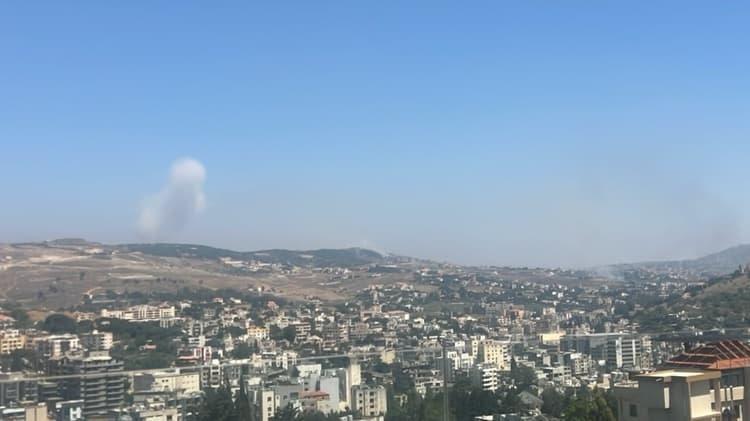
Israeli Airstrikes Kill One in Nabatieh Despite Ceasefire, Netanyahu Says He Will Intensify Operations
17 sources compared
Israel Launches Airstrikes in Southern Lebanon Hours After Lebanon Signs Framework Agreement
11 sources compared

Israeli Airstrikes Hit Nabatieh al-Fouqa and Kfar Tabnit After Ceasefire With Hezbollah
11 sources compared
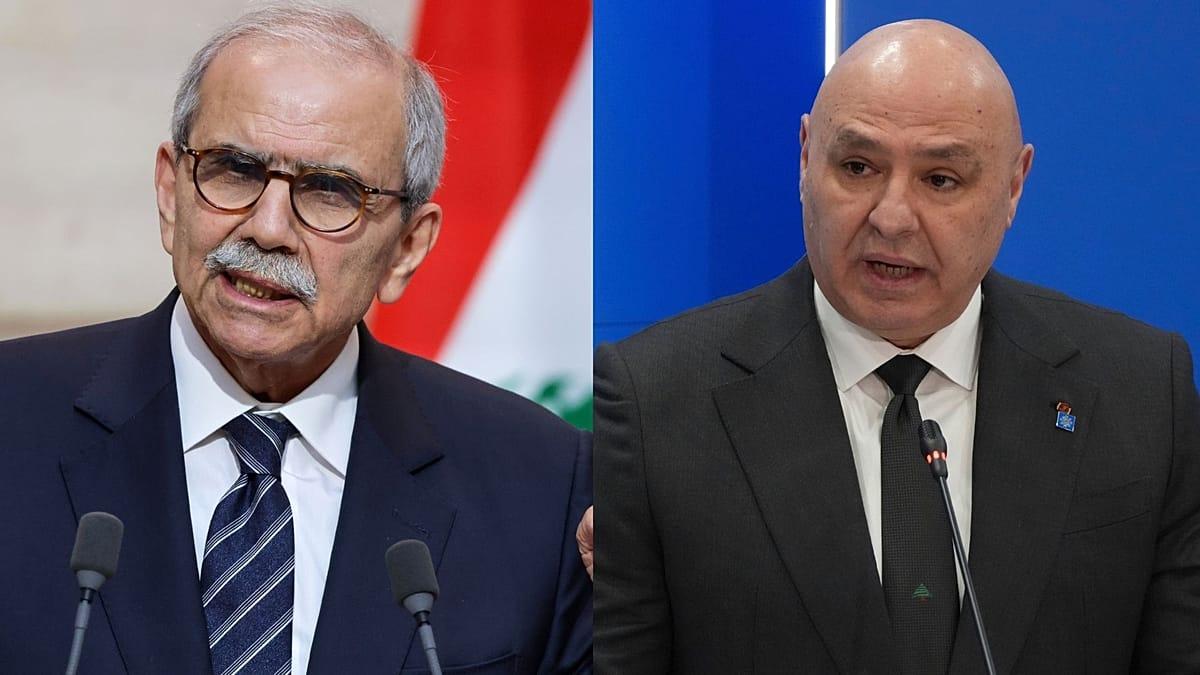
Joseph Aoun and Nawaf Salam Urge Hezbollah to Hand Over Weapons Under State Authority
11 sources compared