Syria25 September, 20252 min read
Netanyahu Sets Conditions for Syria Negotiations Including Disarmament and Druze Security
This article is an automated aggregation of coverage from news outlets. Our editorials offer in-depth analysis curated by the NewsCord team.
Israel demands disarmament of heavy military equipment in southwestern Syria for agreement. Negotiations aim to establish a security pact preventing Israeli attacks and border violations.

24 outlets told this the same way.
Outlets did split on France Suspends Police Stun Grenades at High School Protests After 15-Year-Old Loses Hand →
Israel-Syria Security Talks
Negotiations between Israel and Syria are currently focused on a security agreement rather than a full peace treaty. Israeli Prime Minister Benjamin Netanyahu has set specific conditions for these talks, emphasizing the need for the disarmament of southwestern Syria and the protection of the Druze community. This stance is primarily driven by Israel's security concerns and the desire to counter Iranian threats in the region.
“Israeli Prime Minister Benjamin Netanyahu emphasized that any agreement must guarantee Israel's interests, including the disarmament of southwestern Syria and the safety of the Druze community.”
Netanyahu views the potential agreement as a diplomatic risk but also as an opportunity to secure Israel's northern border. The negotiations are being mediated by the United States, which is pushing for progress in hopes of regaining territories recently seized by Israel.
Syrian stance on negotiations
Syrian officials have expressed a different perspective on the negotiations. Information Minister Hamza al-Mustafa stated that Syria will not negotiate while Israel occupies its lands and continues attacks. Instead, Syria is focusing on U.S.-mediated efforts to return to the 1974 disengagement agreement.
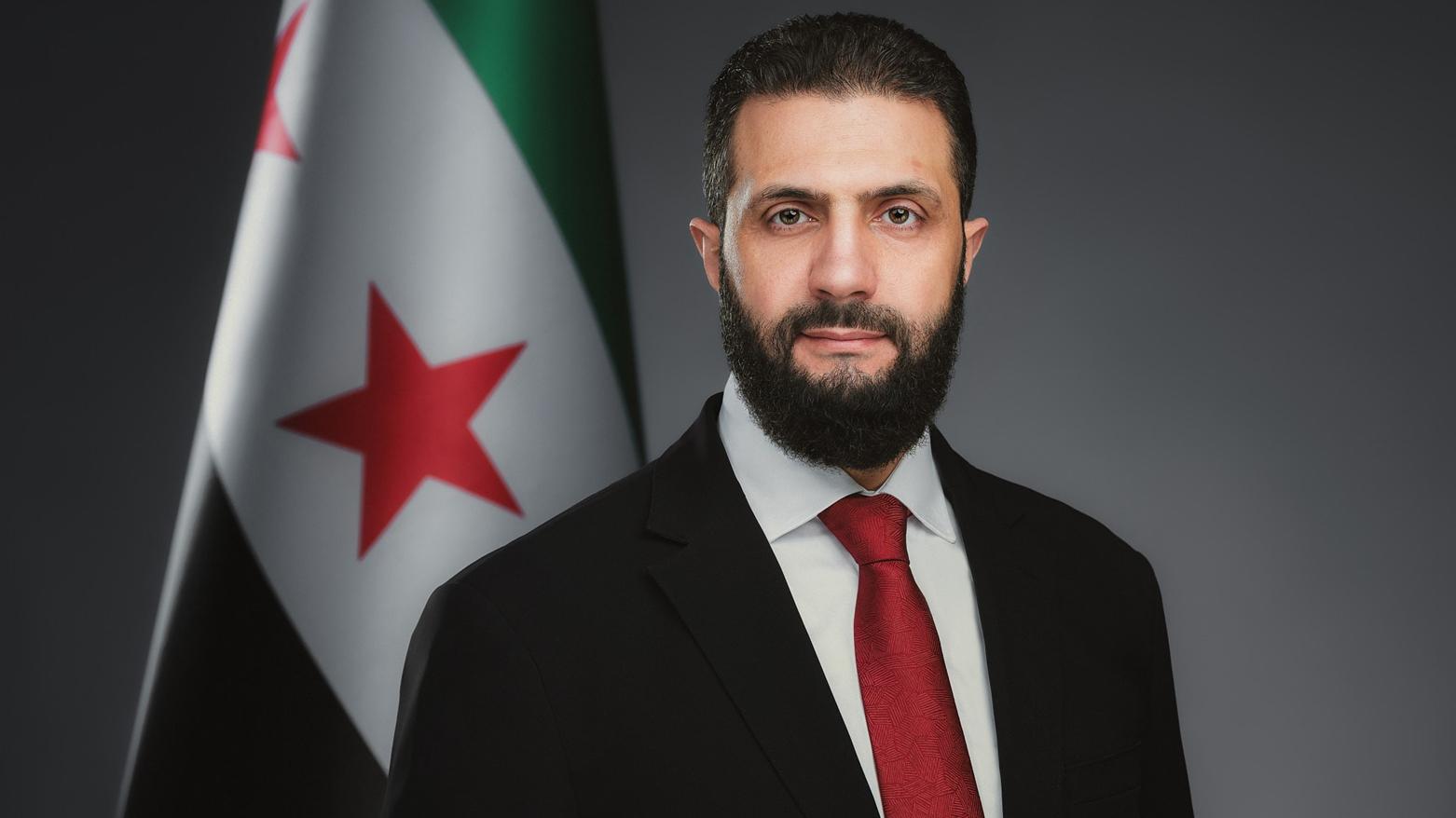
Syrian President Ahmed al-Sharafi has shown optimism about the advanced stage of security talks. He aims to preserve Syria’s sovereignty while addressing Israeli security concerns through mediation. This reflects Syria's strategic approach to regain control over its territories and ensure its sovereignty is respected in any agreement.
Proposed Israel-Syria Security Plan
The proposed security agreement includes a 'de-escalation' plan where Israel would halt targeted strikes against militant groups and military targets.
“The proposed deal, developed during UN General Assembly talks, focuses on improving border security, enhancing counterterrorism cooperation, and preventing conflict escalation along the Golan Heights.”
Syria would avoid deploying heavy machinery near the border as part of this plan.
This plan is seen as a step towards reducing regional tensions and potentially paving the way for a broader security arrangement.
U.S. Special Envoy Tom Barrack supports this proposal, viewing it as a means to enhance security cooperation despite the longstanding mistrust and political tensions between the two nations.
The involvement of the U.S. is crucial in mediating these talks and ensuring that both parties adhere to the terms of the agreement.
Israel-Syria Conflict Challenges
Despite the potential benefits of the proposed agreement, deep mistrust and territorial disputes continue to impede progress. The history of conflict between Israel and Syria, coupled with the recent overthrow of Bashar al-Assad, adds complexity to the negotiations.
The new Syrian President, Ahmed al-Sharaa, demands an end to Israeli airstrikes and troop withdrawals, but Israel remains cautious of Syria’s government led by religious militants. The situation has been further complicated by regional instability and the influence of external actors such as Iran and Hezbollah, which continue to play a significant role in the dynamics of the Middle East.
