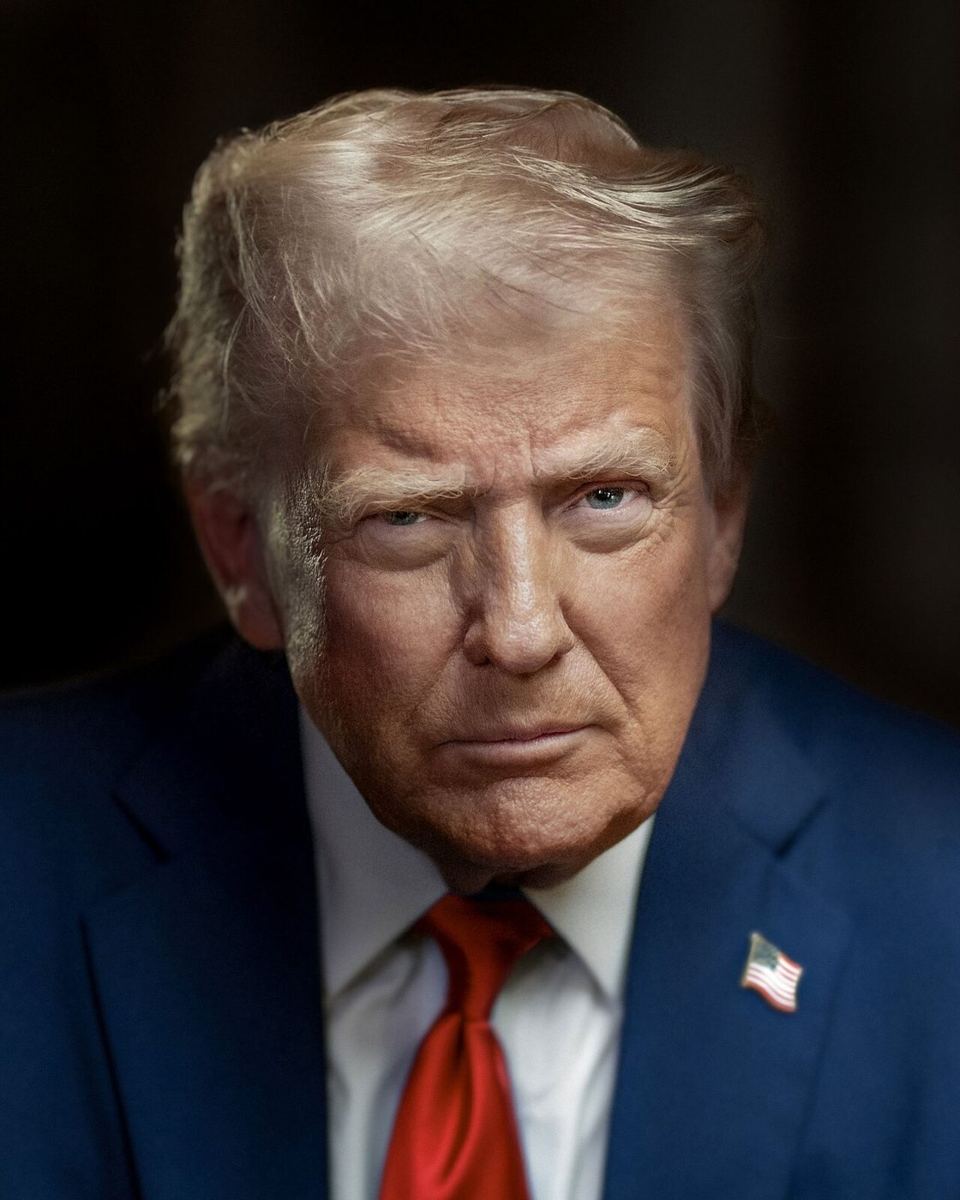
USAupdated 31m ago3 min read
Archive photo · 2 June 2025New York Appeals Court Weighs Trump’s Bid To Overturn Hush Money Conviction
6 Western Mainstream1 Local WesternPhoto: Daniel Torok, Public domain · Cropped for layout
This article is an automated aggregation of coverage from news outlets. Our editorials offer in-depth analysis curated by the NewsCord team.
Trump seeks to overturn the 2024 New York hush-money conviction. Lawyers argued jury instructions were flawed, linking to federal election law.
Save coverage image
Appeal in New York
A New York appeals court weighed President Donald Trump’s bid to throw out his 2024 criminal hush money conviction, with five justices of New York's Appellate Division hearing oral argument on Thursday. Prosecutors in the 2024 case alleged a scheme to conceal a $130,000 hush money payment from Trump's then-lawyer to adult film actress Stormy Daniels ahead of the 2016 presidential election, and a jury convicted Trump on 34 criminal counts of falsifying business records in the first degree. Trump attorney Robert Giuffra argued, "This case was infected by multiple fatal errors under New York and federal law," as the panel questioned whether prosecutors improperly used the Federal Election Campaign Act in state court.
Steven Wu, an attorney for Manhattan District Attorney Alvin Bragg, argued that the jury had a choice of three violations and that the federal law played a "minor role" in their case. The appeal also raised whether evidence at trial, including testimony from Hope Hicks and Trump’s tweets, should have been protected by presidential immunity.
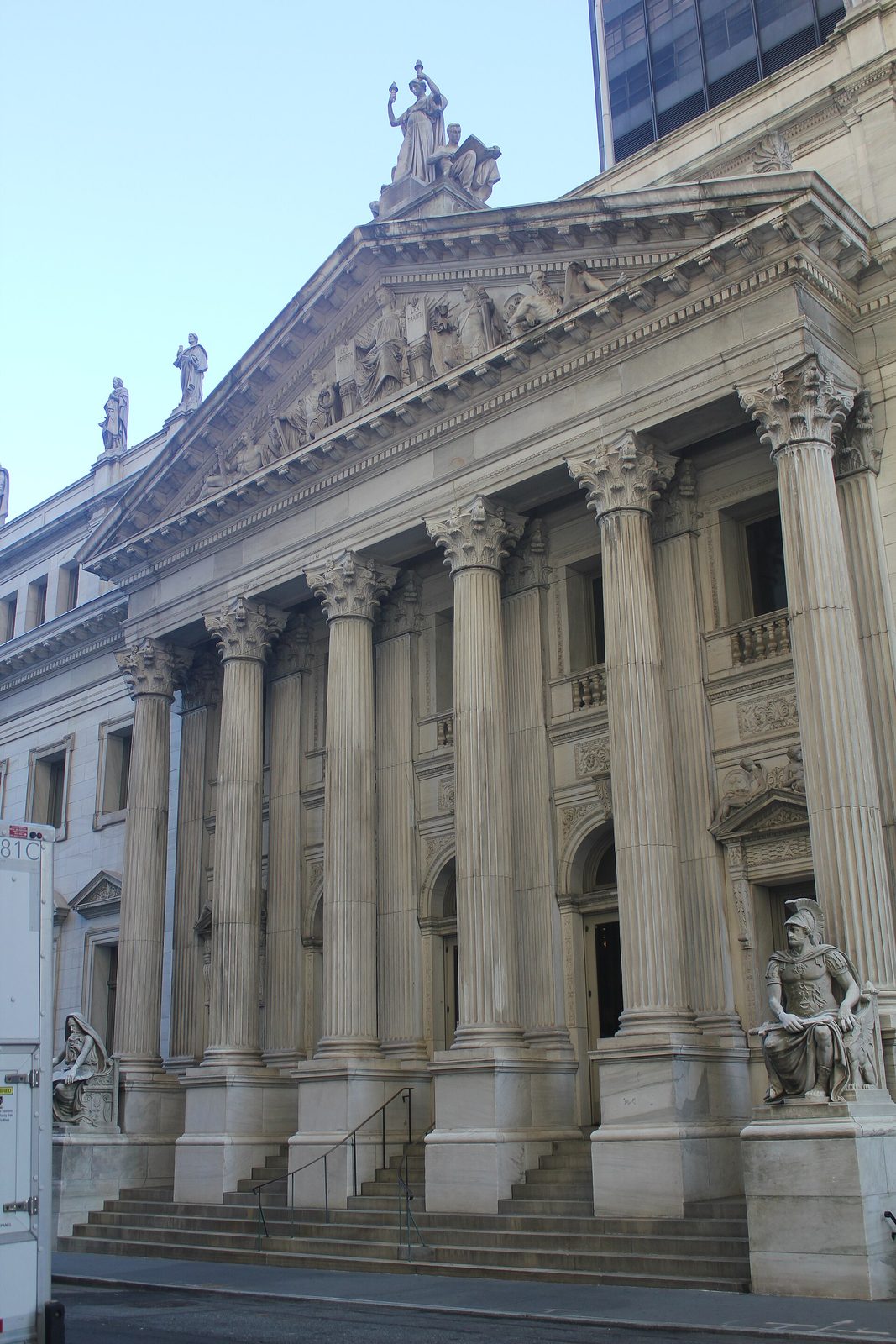
FECA and Immunity
The court’s back-and-forth focused on whether prosecutors tied the case to a federal election law in a way that exceeded Manhattan District Attorney Alvin Bragg’s authority. Robert Giuffra told the judges, "We think it’s the most obvious ground for reversal," as he argued the Manhattan District Attorney’s office has no place tying a case to a federal election law. Associate Justice Troy Webber asked, "So are you relying upon FECA in order to prove your falsifying business records (charge)?" and Steven Wu replied, "Only partially," adding that it was "important only to show" the purpose was to conceal a conspiracy.
The arguments also turned on whether Hope Hicks’ testimony and Trump social media posts should have been barred under presidential immunity, with Giuffra saying Hicks was "serving as a White House official" and Wu countering that the president was discussing his "private opinion." The panel did not signal how or when it would rule, and the court session left the outcome unresolved.
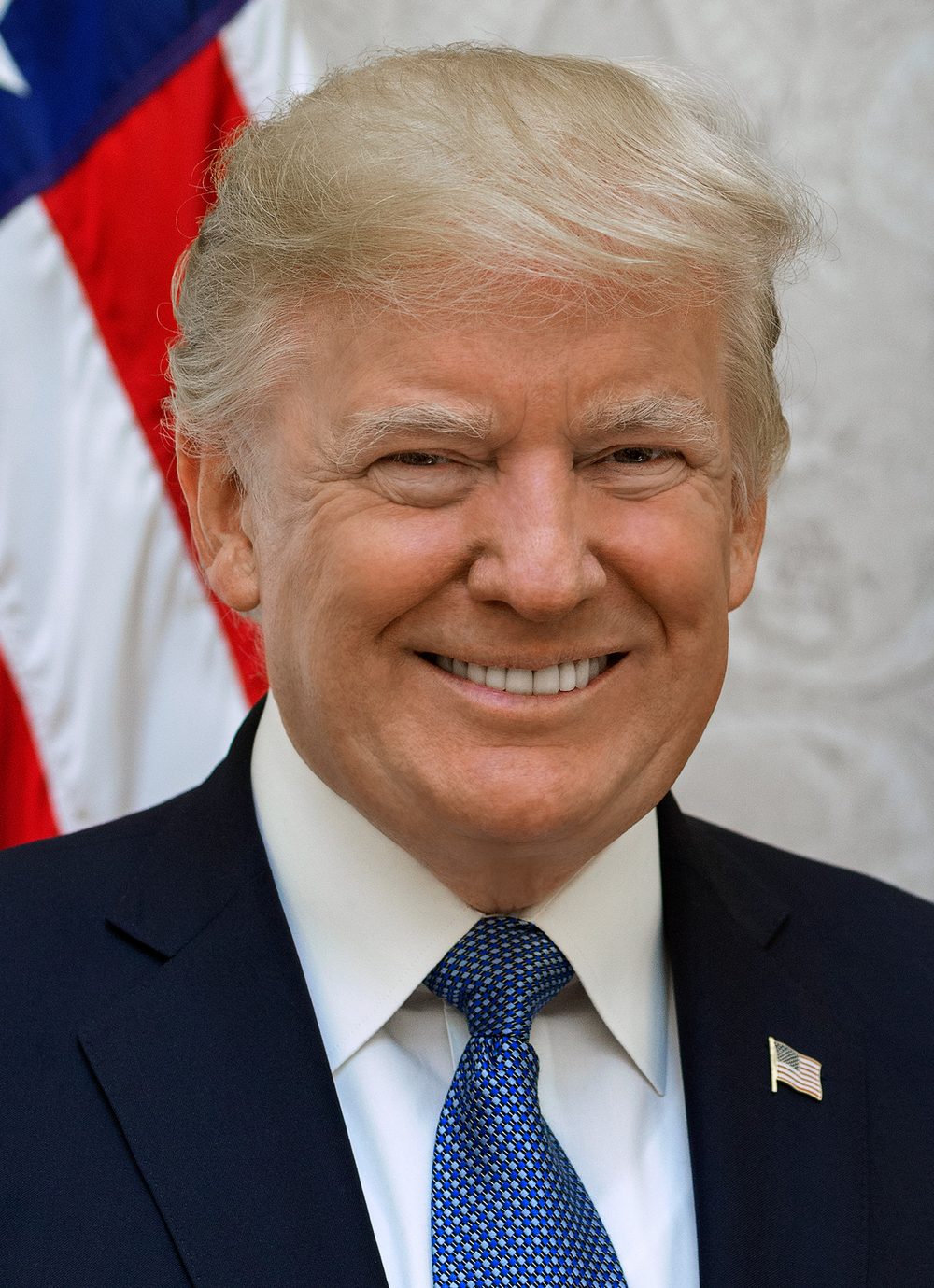
What the Ruling Could Change
Trump’s lawyers framed the appeal as a way to erase a conviction that made him the first president to enter office as a felon, and the case continued to hinge on presidential immunity and the use of federal election law.
“It would have to be a lot more than there was in this case.”
The Associated Press reported that Trump denounced the case on social media as recently as September and did not attend Thursday’s court session, while the judges pressed both sides on the specifics of Hicks’ testimony and the role of Trump’s tweets.
Steven Wu argued that even if some evidence should have been excluded, any error would be harmless, and he said, "It would have to be a lot more than there was in this case."
Associate Justice Bahaati E. Pitt-Burke questioned the harmless error threshold, asking, "at what point ... does it stop being harmless error and turn into something else?"
The appeal also carried broader stakes in the way Trump’s team described precedent, with Giuffra saying, "It could be some other president down the road," as the court considered whether the conviction could survive the legal arguments raised.