USAupdated 1h ago3 min read
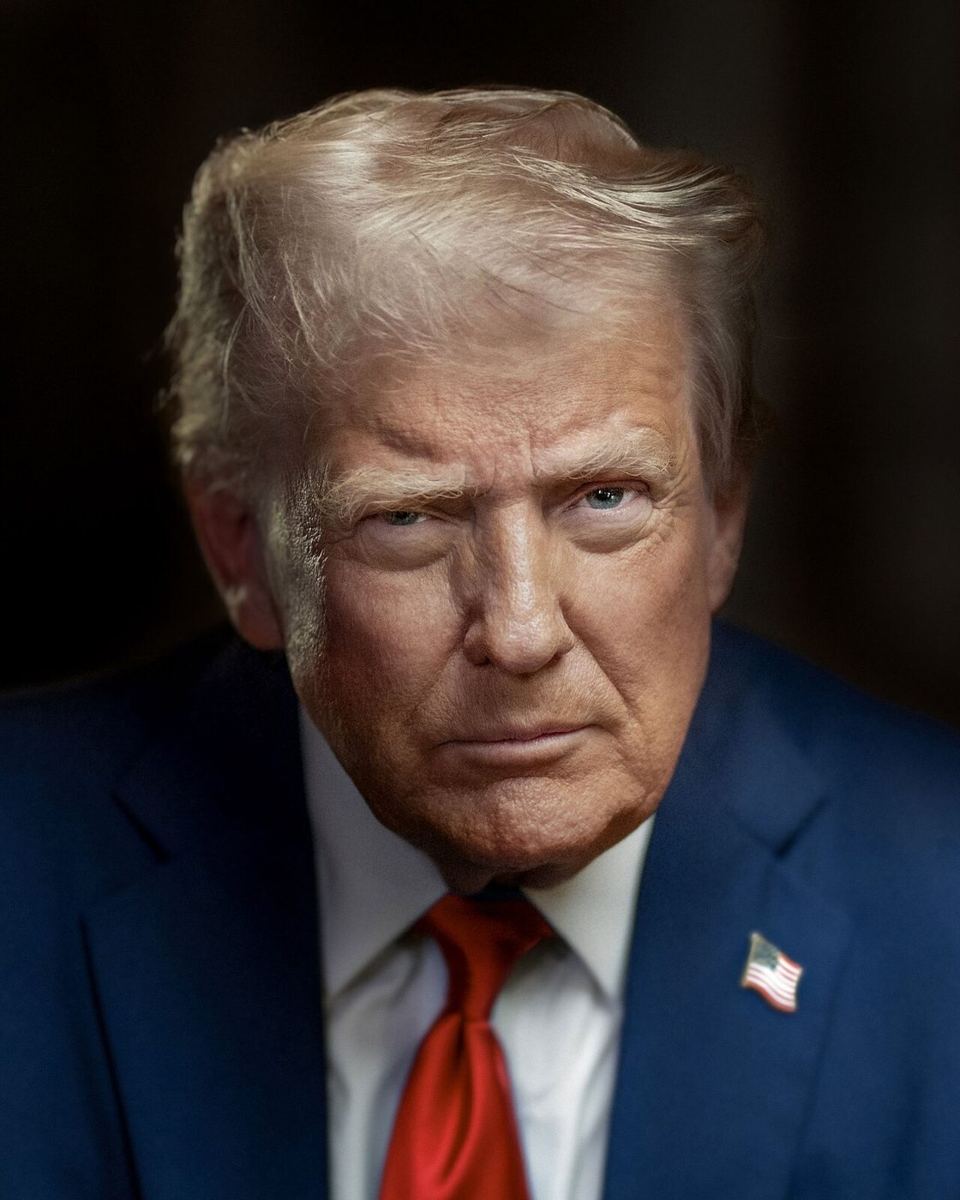
Archive photo · 2 June 2025New York Times Review Finds Donald Trump’s Speeches More Profane, Less Coherent at 80
2 Western Mainstream1 Asian1 West Asian1 Western AlternativePhoto: Daniel Torok, Public domain · Cropped for layout
This article is an automated aggregation of coverage from news outlets. Our editorials offer in-depth analysis curated by the NewsCord team.
NYT analysis finds Trump's speeches more profane, less coherent, and more absolutist than 2016. Speeches lengthened significantly, doubling from 42 to 85 minutes over the decade.
Save coverage image
Profanity and incoherence
The New York Times’ review of more than 6,500 excerpts from Donald Trump’s speeches since last year found that his rhetorical style has become more profane, less coherent, and more categorical in its judgments than it was when he first ran for president in 2016. Trump, who became the oldest person ever inaugurated as US president in January 2025 and turned 80 last June, has demonstrated considerable physical stamina while traveling across the country on a series of campaign trips ahead of the congressional midterm elections. The analysis said Trump’s remarks have included bewildering statements, including a remark while speaking inside the White House’s newly constructed but unfinished ballroom that “only the Hispanic one could survive if I fell off the edge.”
The analysis also said Trump expressed a desire to bar immigrants from Norway because he had not received the 2026 Nobel Peace Prize, and it said he mispronounced the Strait of Hormuz as the “Strait of Hormones.” Former Republican congressman Francis Rooney of Florida said, “He spews an enormous amount of nonsense, even by his own standards, and makes a lot of provocative and aggressive remarks.”
Numbers behind the debate
The New York Times’ review, covering the period from 2015 through last Thursday, found that during his second presidential term Trump has used categorical words such as “always,” “never,” “everything” and “absolutely” at a rate 19% higher than a decade ago and 5% higher than in 2024. The analysis said Trump now uses approximately 15 profanities for every 10,000 words, compared with 14 two years ago and six a decade ago, and it said the review found rambling or confusing digressions during rallies and speeches at a rate two and a half times higher than during his 2016 presidential campaign. The analysis also said Trump’s vocabulary has remained largely unchanged and that the reading level of his speeches falls between fourth- and fifth-grade levels.
The White House rejected the suggestions that Trump’s performance has deteriorated, and White House spokesman Davis Ingle said the president possessed “mental acuity, unmatched energy, a tireless work ethic, and exceptional communication skills.” Terry Moran argued on the Daily Beast podcast that Trump was “less effective at holding audiences with spontaneous material than he once was,” adding, “And now he droned.”
Confrontations and consequences
Trump confronted Reuters correspondent Jacob Bogage after being questioned about cancelled campaign appearances in Kansas and Iowa. Trump responded by attacking Bogage’s appearance and fitness, saying, “You look like hell,” and it said Trump later doubled down by posting Bogage’s photograph on Truth Social. Trump told supporters he had examined Ohio senator Jon Husted’s body and made a remark about his backside, and it quoted Trump saying, “I started examining his body, because I didn’t know he was a great athlete.”
The New York Times said Trump’s performances on the road and at the White House this fall produced head-scratching moments that revived questions about his age and stability, including a claim that “only a Hispanic could survive that fall.” The New York Times said Trump’s talk has become more profane, more absolutist, longer-winded and less coherent than he was in 2016, and it said his rambling speeches seem even more garbled at times.