Iranupdated 1h ago2 min read
Archive photo · 23 March 2023Iran Rejects US Peace Talks As Ali Nikzad, Mohammad Akraminia Trade War Threats
“[Tehran] has no intention of negotiating on the nuclear issue regardless of any pressure.”
“Tehran is demanding that Washington lift recent sanctions, reinstate oil waivers, reduce its regional military presence, and end port blockades before addressing restrictions on Iran's nuclear program.”
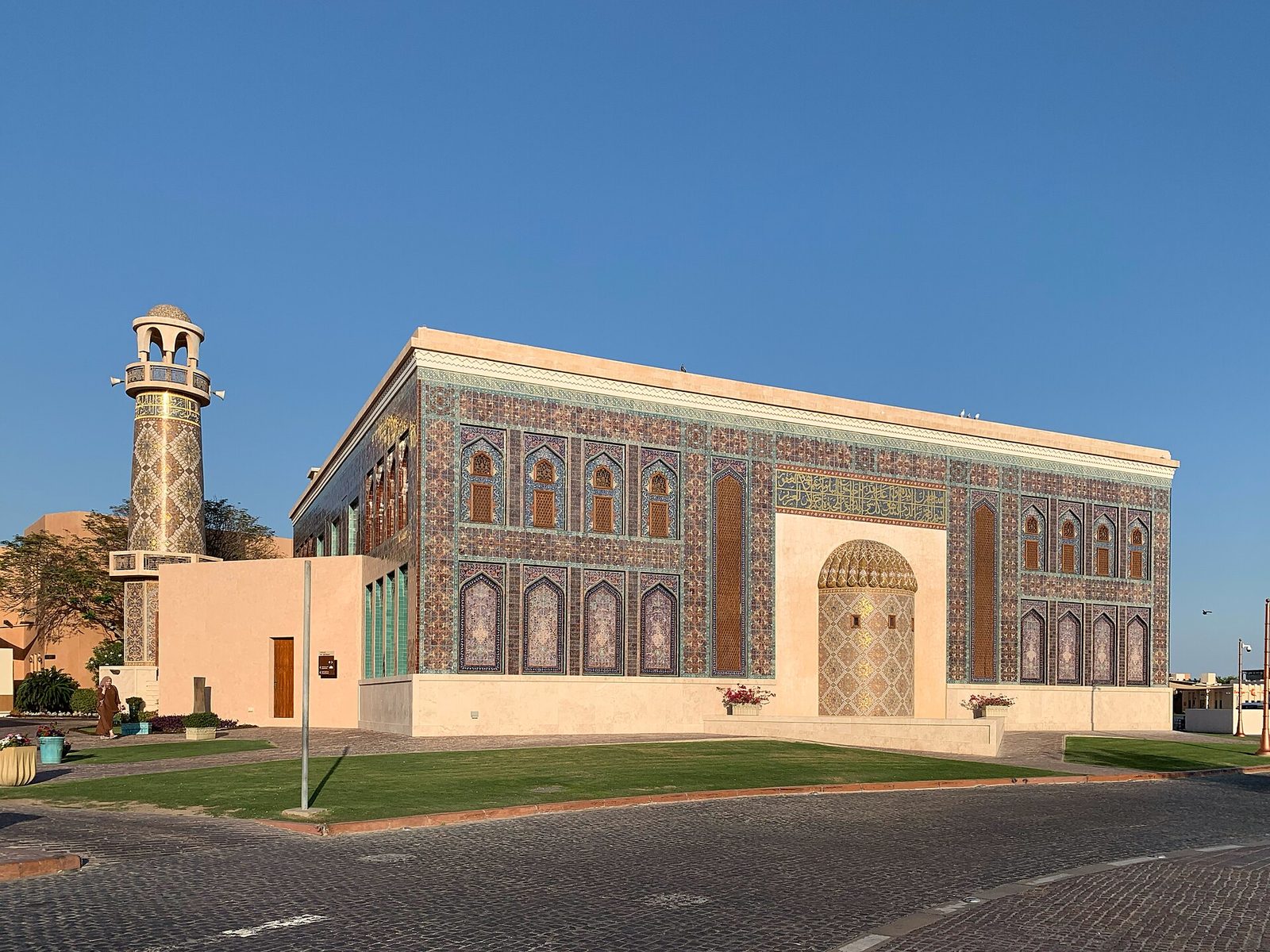
Photo: Chainwit., CC BY-SA 4.0 · Cropped for layout
This article is an automated aggregation of coverage from news outlets. Our editorials offer in-depth analysis curated by the NewsCord team.
Iran says it has no intention to engage in peace talks with the US. Iranian negotiators in Doha continue discussions aimed at ending the US-Iran war.
Save coverage image
Middle East Eye was read line by line by the Watchdog: 6.0. See the score →
No nuclear talks, war looms
Iran’s deputy speaker Ali Nikzad told Iran’s parliament that Iran has “no intention” of engaging in talks with the United States and said “It is the Americans, not the Iranian nation, who will ultimately surrender in this conflict.” Iran’s army spokesperson Mohammad Akraminia warned that “Should a new war erupt, the geography of the conflict will not be confined to the West Asia region,” while also saying Iran’s war strategy had shifted from a “purely defensive stance to an offensive approach some time ago”.
US President Donald Trump said the United States had “knocked out their nuclear” but still had to “take care of” “one or two sites,” as the two sides traded threats. The Middle East Eye account also said Iran dispatched envoys to Qatar after a Qatari delegation visited Tehran this week to continue consultations as part of indirect negotiations with the United States to end the war.
Diplomacy opens, conditions persist
Iranian President Masoud Pezeshkian said Supreme Leader Mojtaba Khamenei had given the government “certain authorities” to pursue peace talks with the United States, and Pezeshkian said Tehran was open to resolving the standoff through diplomacy. Iran’s Foreign Minister Abbas Araghchi said consultations through intermediaries had become “very intense,” while also maintaining that reopening the Strait of Hormuz would be conditional on Iran’s terms.
Iran agreed to cut the timetable from seven to two days, and Araghchi said he hoped the US would choose “diplomacy over other paths”. Tehran demanded Washington lift recent sanctions, reinstate oil waivers, reduce its regional military presence, and end port blockades before addressing restrictions on Iran’s nuclear program, leaving “significant gaps remain”.
Targets, assets, and regional risk
Gulf states were “braced for the worst” as Qatar tried to negotiate the release of more than $6bn in Iranian assets, a step that could lead to reopening the strait of Hormuz and restarting nuclear talks. United Arab Emirates envoy Anwar Gargash said, “We are also, as we have shown before, braced for the worst,” while warning that another round of escalation was “not in the interests of Iran or any of its neighbours.”
President Donald Trump said the latest negotiations were “going fine,” but added that the US still had several Iranian targets to “take care of,” as Iran’s security chief Mohsen Rezaei threatened a response with “new weaponry”. Iran’s deputy speaker Ali Nikzad reiterated a nuclear red line by saying, “Our enemies must understand that the Iranian nation has made a decision not to negotiate on the nuclear issue under any circumstances or under any pressure.”