Europe · 08 June, 2026 · 3 min read
Nikol Pashinyan Wins Re-Election as Armenia’s Pro-West Civil Contract Secures 49.8%
Civil Contract won about 49.8% of votes, securing a parliamentary plurality. Election seen as test of pivot from Russia toward the West amid Kremlin pressure.
Whether the result enables Pashinyan to solidify the West pivot.
10 of 12 outlets skipped it: US brokered TRIPP includes US 99-year corridor lease..
30outlets compared
Same story, two versions
tap a side to read it in full
One frames it as constrained; the other emphasizes decisive political momentum.
Pashinyan’s pro-West win
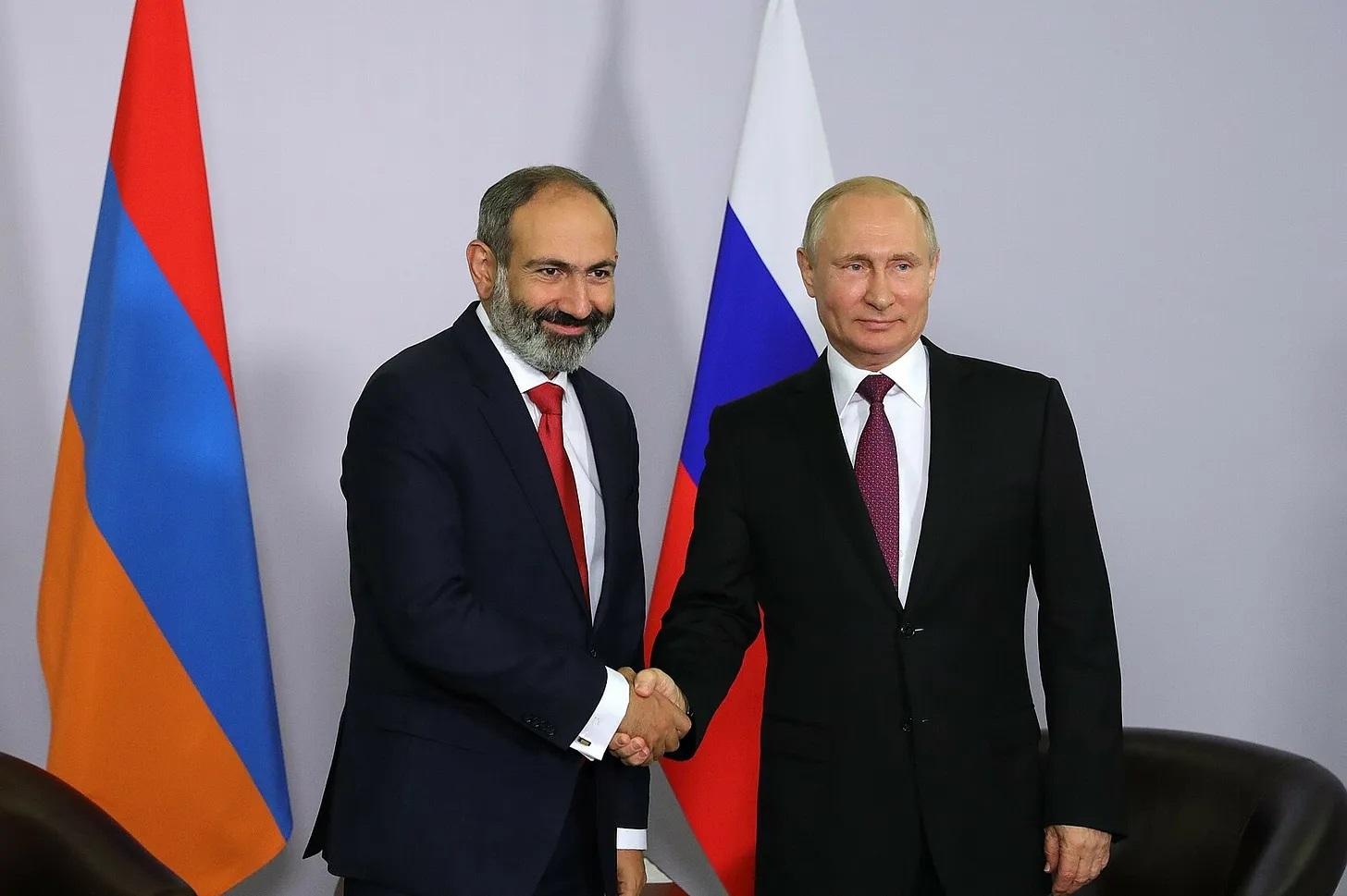
Armenia’s pro-Western Prime Minister Nikol Pashinyan secured re-election in the South Caucasus nation of 3 million people, despite having led Armenia through a devastating military defeat to Azerbaijan just three years ago.
“Pashinyan’s Civil Contract won 49.8% of the vote and 64 seats in the 105-seat National Assembly”
The election was seen as a test of Pashinyan’s efforts to move Armenia closer to the West and end tensions with Azerbaijan and Turkey, with Pashinyan’s Civil Contract winning 49.8% of the vote and 64 seats in the 105-seat National Assembly.

Pashinyan’s victory came as Armenia sought a future peace deal with Azerbaijan and normalisation of ties with Turkey, whose border with Armenia has remained closed for more than three decades.
In the run-up to the vote, the Central Election Commission said Pashinyan’s Civil Contract won 49.81 percent of the vote, while the main opposition Strong Armenia took 23.29 percent.
Pashinyan framed the election as a “historic victory” and said “The Armenian people voted for peace, regional prosperity and cooperation,” as international attention focused on whether Armenia would keep pivoting toward Europe.
Russian pressure and EU ties
Multiple outlets described Russian pressure and interference around the vote, with Australian Broadcasting Corporation citing international election monitors saying Russia used “public threats and trade measures” to try to alter the results.
Edita Estrella of the Parliamentary Assembly of the Council of Europe observer mission said, “Russia exercised unprecedented pressure, using public threats and trade measures, trying to substantially alter the results of the election,” while the same report said the EU chief Ursula von der Leyen congratulated Pashinyan on a “democratic Armenia that is drawing ever closer to Europe.”

The BBC also reported that Pashinyan’s campaign was watched closely by Russia and the West as he sought to loosen ties with Moscow and deepen cooperation with the West.
In the run-up to the election, Russia’s Foreign Ministry spokeswoman Maria Zakharova was quoted saying Armenian society was “extremely polarized,” and the Kremlin accused the West of interfering.
Pashinyan said he would “continue the course of rapprochement with the West” while also developing Armenia’s relations with Russia, as Al Jazeera reported he froze participation in a Russia-led security bloc and deepened ties with the EU and the United States.
Peace deal constraints
The election results left Pashinyan short of the supermajority needed for constitutional changes tied to a peace deal with Azerbaijan, with Courthouse News saying his Civil Contract “fell short of the supermajority needed to pursue constitutional changes.”
“This means that the political track of the peace process may spend some time in limbo now”
Courthouse News quoted Laurence Broers saying, “This means that the political track of the peace process may spend some time in limbo now,” and said Armenia and Azerbaijan may need to focus on another key aspect of Trump’s deal to “keep momentum going.”
Al Jazeera reported that Pashinyan fell short of the two-thirds majority in parliament necessary to call the constitutional referendum demanded as part of a peace deal with Azerbaijan and to normalise relations with Turkiye.
The stakes for Armenia’s European path were also tied to the vote’s geopolitical direction, with CNN describing the election as a referendum on whether Pashinyan could accelerate a pivot away from Russia while negotiating a lasting peace with Azerbaijan.
In a separate European-focused account, Franceinfo said Armenia voted to launch the EU accession procedure with “64 votes to 7,” and described Yerevan’s outreach to the European Union as relations with Russia took a turn after Azerbaijan’s offensive in Nagorno-Karabakh.