Entertainment16 October, 20252 min read
NPR Pioneer Susan Stamberg, First Female National News Anchor, Dies at 87
This article is an automated aggregation of coverage from news outlets. Our editorials offer in-depth analysis curated by the NewsCord team.
Susan Stamberg was the first woman to anchor a national nightly news program in the U.S. She was a founding member of National Public Radio and joined NPR in the early 1970s.

23 outlets told this the same way.
Outlets did split on Avianca Flight 42 Diverts to Miami After Severe Turbulence Injures Eight Passengers →
Susan Stamberg's Legacy
Susan Stamberg, recognized as a pioneering NPR voice and the first woman in the U.S. to anchor or host a nightly national news program, has died at age 87. Multiple reports note that NPR announced her death on October 16, with some specifying the year as 2025; no cause was disclosed.
“Susan Stamberg, NPR’s pioneering voice and the first female anchor to host a national news program, has died at age 87, NPR announced on October 16.”
She is described as one of NPR’s “founding mothers,” highlighting her significant influence on the network from its earliest years. Several accounts emphasize her decades-long presence on air and her role in shaping public radio’s identity and sound.
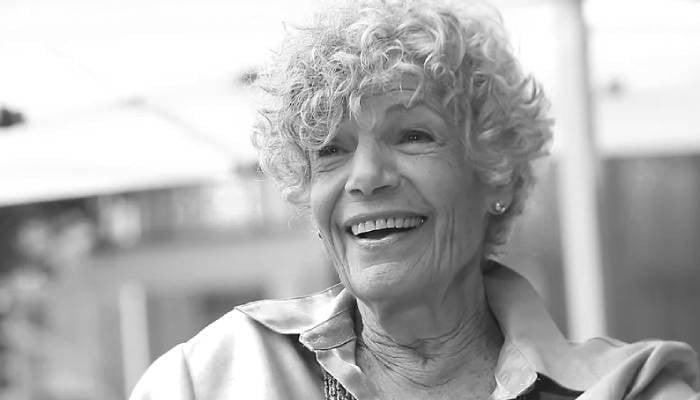
NPR Pioneer Susan Stamberg
Stamberg’s barrier-breaking rise began in NPR’s formative years. She joined in the early 1970s and in 1972 became a central voice of All Things Considered. Several sources stress how she initially imitated male broadcasters before being encouraged to embrace her natural, conversational delivery.
This shift helped define NPR’s sound. Others emphasize her role among NPR’s “founding mothers,” alongside colleagues like Cokie Roberts, Nina Totenberg, and Linda Wertheimer. Her identity as a pioneer is framed as both individual and collective.
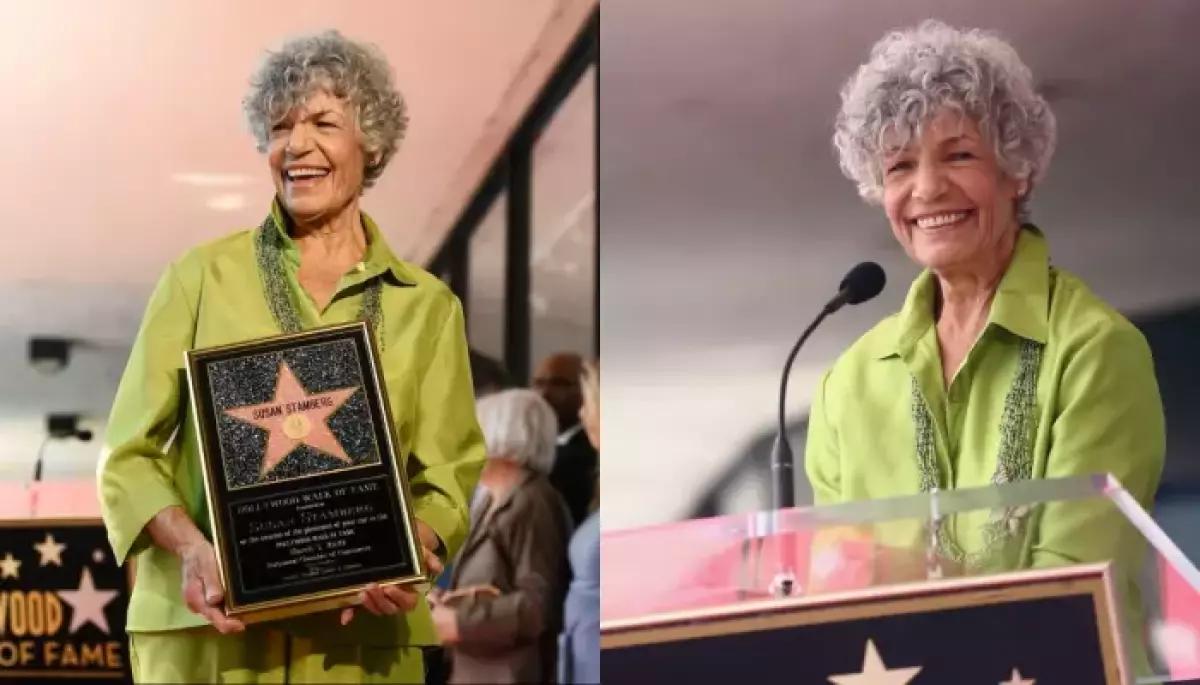
NPR Host Audie Stamberg Career
Over 14 years on All Things Considered, Stamberg conducted thousands of interviews. She then moved to host Weekend Edition Sunday, where she introduced the Sunday Puzzle with Will Shortz. Several outlets add that she later served as a cultural correspondent on Morning Edition and Weekend Edition Saturday.
“Stamberg hosted All Things Considered for 14 years before moving on to host Weekend Edition Sunday, where she introduced the Sunday puzzle segment with Will Shortz.”
Some sources highlight unique milestones and coverage choices, including a 1979 live call-in with President Jimmy Carter. She also interviewed figures like Rosa Parks and James Baldwin. Additionally, she contributed to launching Car Talk, underscoring the breadth of her cultural imprint.
Legacy and Honors of NPR Pioneer
Her accolades matched her impact.
She is repeatedly described as a 'founding mother' of NPR.

She earned induction into the Radio Hall of Fame and a star on the Hollywood Walk of Fame.
Some sources list these honors as occurring in 2020.
Other outlets mention awards such as the Edward R. Murrow Award and induction into both the Broadcast and National Radio Halls of Fame.
Tributes emphasize her unique blend of rigor and warmth.
NPR’s leadership praised her as a cornerstone voice.
Her son remembered her as a humanitarian who believed in journalism’s power to connect.
Biographical notes include her birth name, Susan Levitt, her New Jersey roots, and her education at Barnard.
She is survived by her family.
Report Discrepancies on Retirement
Some details vary across reports. Outlets disagree on her retirement year—TheWrap and current.org say September 2023, The Spokesman-Review only says she 'retired in September,' while crispng states 2024. A Local Western outlet also appears to conflate names ('Nina Totenberg Stamberg').
“The article highlights Nina Totenberg Stamberg, an original NPR staff member and the first U.S. woman to anchor a nightly national news program.”
There are differences in how her role is labeled (anchor/host vs. co-host) and in date specificity for the death announcement. One outlet mentions prior cancer treatment without linking it to her passing. These discrepancies reflect differences in sourcing, editorial emphasis, or possible errors.
