Technology and Science17 November, 20263 min read
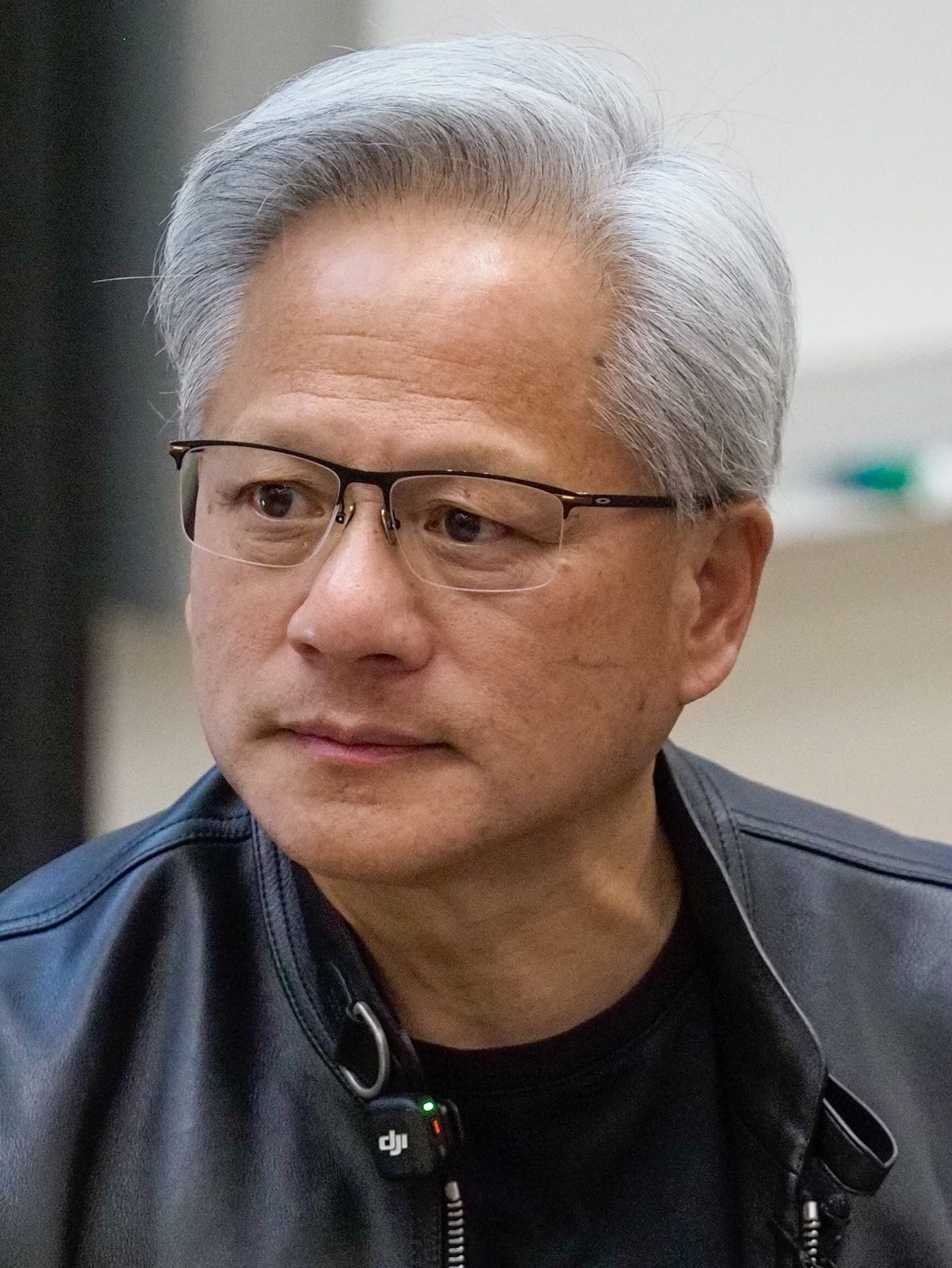
Archive photo · 30 April 2026NVIDIA Board Rejects Huang Renxun’s Return as CEO, Names Colette Kress Interim CEO
2 Other1 Western MainstreamPhoto: Anderseidesvik, CC BY-SA 4.0 · Cropped for layout
This article is an automated aggregation of coverage from news outlets. Our editorials offer in-depth analysis curated by the NewsCord team.
NVIDIA board publicly rejects Huang Renxun's return as CEO. New leadership debuts as earnings beat, but stock declines for fifth day.
Save coverage image
3 outlets in this story. Read their headlines below.
Outlets did split on Pan American Health Organization Ends U.S. Measles Elimination Status After 5,838 Cases →
Board rejects return
NVIDIA’s board publicly rejected Huang Renxun’s return to the company as CEO after Huang resigned as NVIDIA CEO on November 12, ending 33 years at the helm. Harvey Jones told the earnings conference call that the board unanimously accepted Huang Renxun’s resignation and had no intention of reappointing him as CEO, while Colette Kress received the interim CEO role with the board saying it had “full confidence.” Huang Renxun said in his first written statement after stepping down that “If the board determines that my return is most beneficial to the company, I will be honored to respond to these calls and return to serve as CEO.”
“The board unanimously accepted Huang Renxun’s resignation, with no intention of reappointing him as CEO.”
Colette Kress told the market that “From a business perspective, nothing changes,” and she said NVIDIA had already talked to customers, suppliers, and partners and that they were “100% on our side.” NVIDIA’s third-quarter earnings call also featured guidance that next quarter revenue was expected to be $130.0 billion with a ±3% variance, and the company raised FY2028 revenue growth from about 70% to about 75%.
Earnings strong, stock down
NVIDIA’s stock fell nearly 3% again on Wednesday, extending a fifth consecutive day of declines even after the company delivered an earnings report that exceeded expectations. The stock rose approximately 4% in pre-market trading on Wednesday, but it closed down approximately 2% to 3% after the meeting, reflecting ongoing market concerns over leadership instability. Dow Jones reported that Wall Street participants did not accept management’s assertion that “everything is normal,” and the stock had fallen approximately 13% since founder Jensen Huang stepped down as CEO.
NVIDIA held its first all-hands meeting since Jensen Huang’s resignation on Wednesday morning, and the event lasted approximately one hour with a live stream available via Microsoft Teams. At the all-hands meeting, Colette Kress opened with “Let’s move forward,” and the company also set a compensation plan to be implemented in December, several months ahead of the regular annual review cycle.
Congress, investigations, AI stakes
Jensen Huang’s return bid drew political and congressional attention, with President Donald Trump endorsing the comeback bid and saying Huang “learned a big lesson” and “would certainly not mind” if he was reinstated.
“Huang will appear before congressional committees on Dec. 1, followed by the company's general counsel, Tim Teter, on Dec. 2.”
House lawmakers said Huang has voluntarily agreed to appear for transcribed interviews, and they scheduled Huang for Dec. 1 and general counsel Tim Teter for Dec. 2 as the company faces intensifying national scrutiny over sales of its advanced computer chips.
NVIDIA said it was creating a new board committee to oversee national security and global trade compliance following the revelations about Huang, and Trump said it was “good” that Nvidia had created the new oversight committee.
The PBS account tied the scandal to an alleged extramarital affair and to a Singapore-based cloud computing firm, Megaspeed International, which was being investigated by the U.S. for allegedly violating U.S. export controls by illegally diverting advanced Nvidia AI chips to Chinese companies.
NVIDIA’s advanced chips are described as essential for cloud computing and data centers that underpin the AI boom, while the sources also note restrictions on their sale to China and the role of “dangerous PRC actors” in the lawmakers’ concerns.