USA · 24 August, 2026 · 2 min read
Iran Supreme National Security Council Secretary Mohsen Rezaei Says Iran Will Attack Countries Joining U.S. Sanctions
Rezaei said any country joining US sanctions is an enemy and will be attacked. Tehran warned it would target economic interests and oil shipments if neighbors join.
148 outlets, one story, no spin found.
7 of 8 outlets skipped it: china says sanctions/pressure will not resolve state issues.
AP News was read line by line by the Watchdog: 3.8. See the score →
148outlets compared
ABC emphasises Iranian “attack” threats; Aajil leads with China’s anti-sanctions framing.
US sanctions, Iran threats
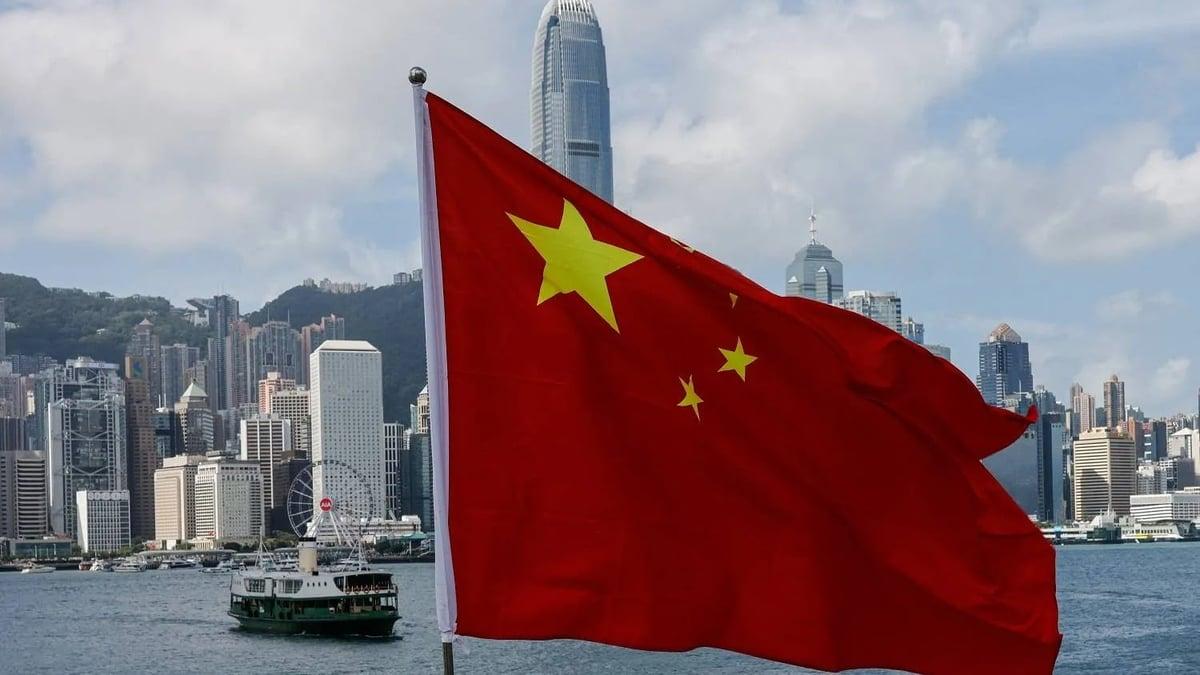
China’s Foreign Ministry said sanctions and “pressure tactics do not solve problems” in response to the United States’ threat to impose new sanctions on Iran, and it urged the American and Iranian sides to act “rationally and with restraint.”
“sanctions and pressure tactics do not solve problems”
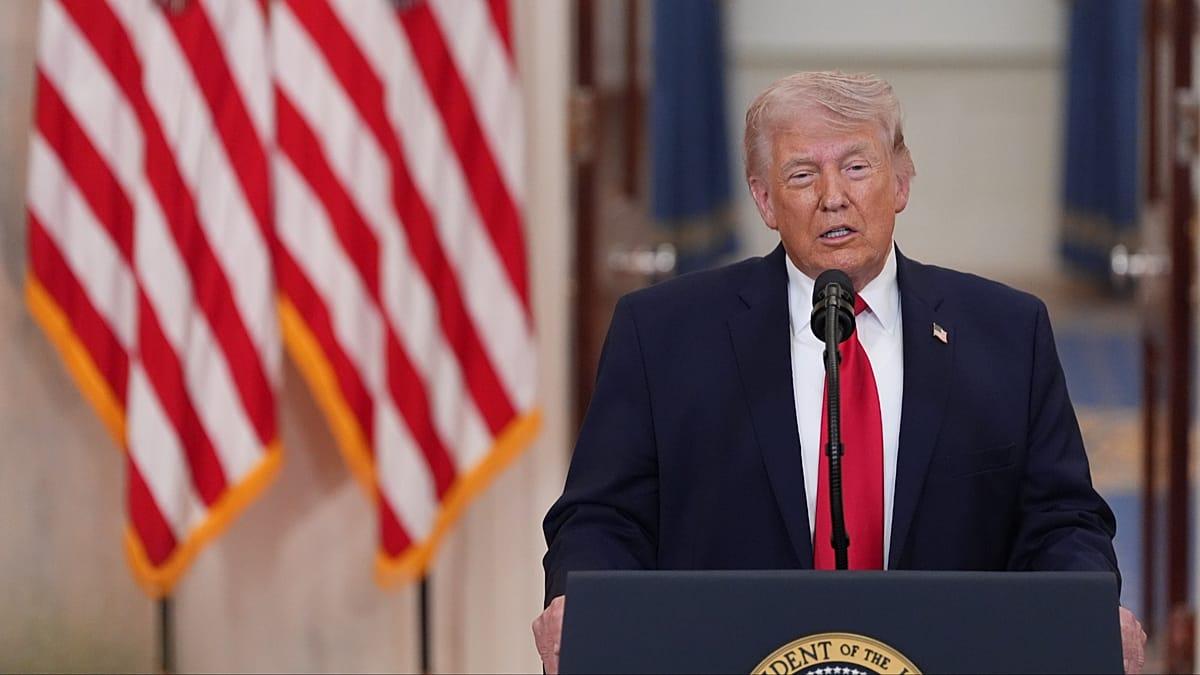
In Washington’s escalating pressure campaign, Iran’s Supreme National Security Council Secretary Mohsen Rezaei said that first they will demand that countries distance themselves from the United States, and if they do not, “we will attack them.”
The ABC News report also described ongoing U.S.-facilitated diplomacy aimed at ending the war, with State Department spokesman Tommy Pigott announcing another round of Israel-Lebanon talks in Rome and saying the talks would continue for three days through Aug. 6.
In parallel, Al Jazeera reported that Iran’s foreign minister Abbas Araghchi said the new U.S. sanctions package is like watching the “same movie playing over and over again.”
Reactions and competing views
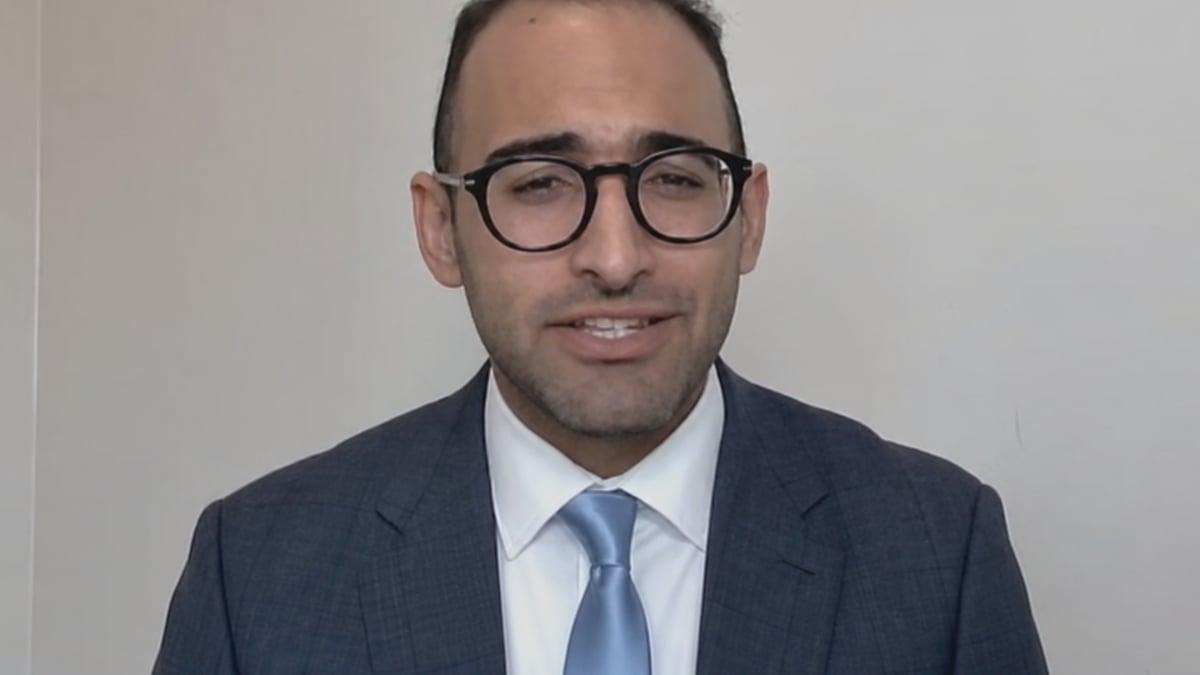
Hamza Al-Qaoud, Deputy Assistant Director for the Middle East at Business Monitor International, said that American sanctions on Iran-dealing partners “will not affect China,” adding that the sanctions hinted at by the U.S. Treasury will not affect Beijing.
Al Jazeera framed Iran’s response as tit-for-tat, quoting Mohsen Rezaei warning that countries joining the US economic war against Iran will face ‘tit-for-tat’ action.
At the same time, Aajil reported that China’s Foreign Ministry would monitor developments closely and “take necessary steps to safeguard its rights and interests,” while calling for dialogue rather than escalating unilateral measures.
In the market reaction described by AlbertoNews, oil prices fell more than one dollar per barrel on Monday amid expectations that the United States would announce new sanctions against Iran, with Brent futures retreating $1.23, 1.3%, to $93.16 per barrel at 03:29 GMT.
What’s at stake next
Al Jazeera Net reported that Iran’s Islamic Revolutionary Guard Corps spokesman Hussein Mohammad Mehr said Tehran has prepared various scenarios to confront the consequences of the US economic war, stressing that Iran has plans to deal with any hostile action by Washington.
“Bessent threatened to impose the harshest sanctions in history on Tehran”
AlbertoNews said U.S. Treasury Secretary Scott Bessent is scheduled to hold a press conference on Monday at 2:00 p.m. Eastern Time, during which he could announce new measures against Iran, after Bessent threatened to impose the harshest sanctions in history on Tehran.
The same report tied the sanctions outlook to energy logistics, saying the situation limited oil shipments through the Strait of Hormuz, where a fifth of global supply previously moved.
In a separate diplomatic thread, al-tilfizyon al-ʿArabī quoted Iranian Deputy Foreign Minister Abbas Araghchi confirming in response to Donald Trump’s remarks that the Hormuz Strait will remain Iranian, writing on X that it “was, is, and will remain Iranian,” and adding that it “will not be opened or closed except by order of Iran.”