Iranupdated 10m ago2 min read
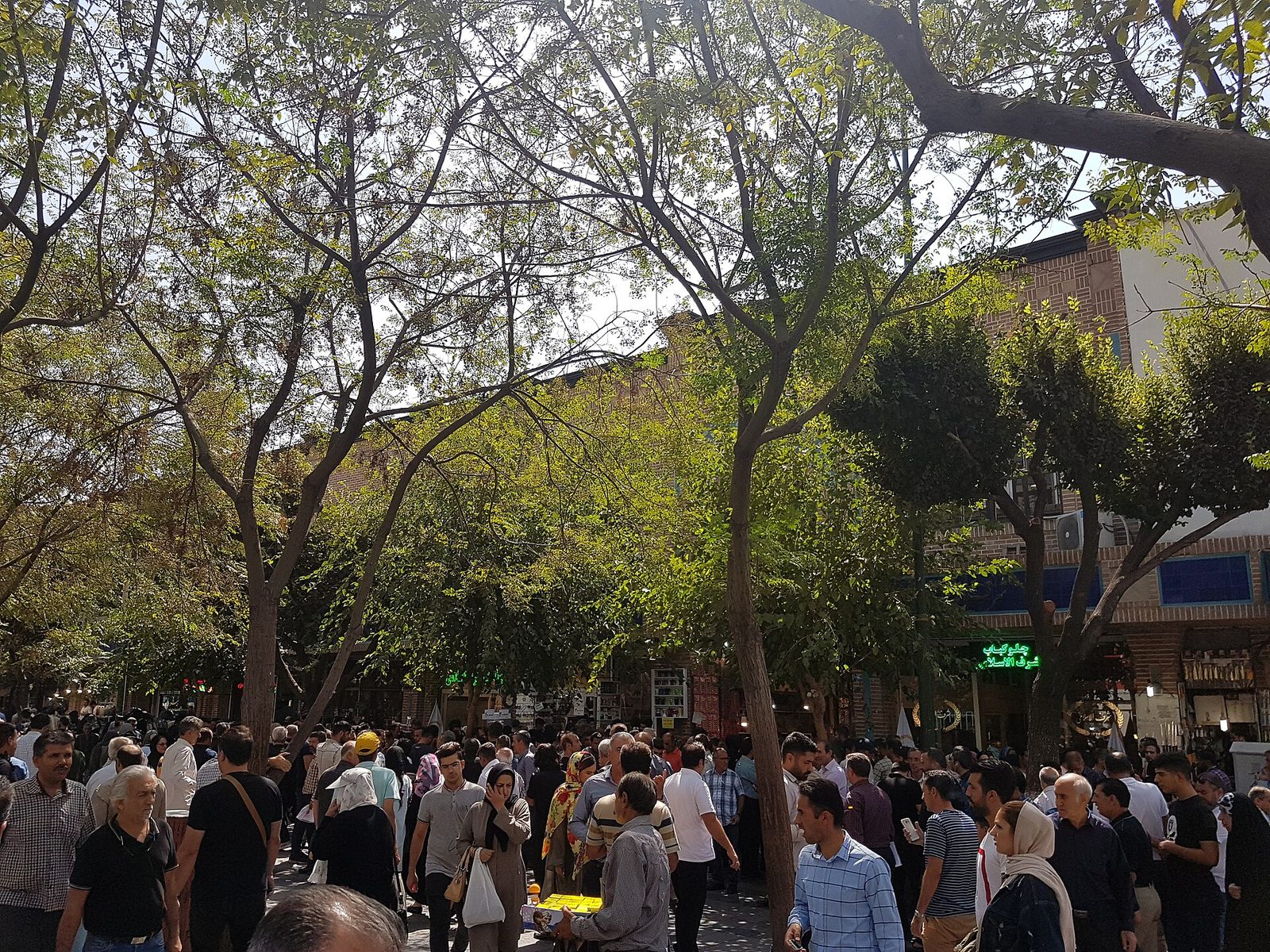
Archive photo · 17 September 2019Oil Prices Rise After Washington Tightens Sanctions on Iran
3 West Asian3 Western Mainstream1 OtherPhoto: TELLURIDE 749, CC BY-SA 3.0 · Cropped for layout
This article is an automated aggregation of coverage from news outlets. Our editorials offer in-depth analysis curated by the NewsCord team.
Brent crude rises above $93 per barrel as sanctions tighten on Iran. Iranian rial slides toward 2.99 million per dollar amid sanctions and blockade.
Save coverage image
7 outlets in this story. Read their headlines below.
Sanctions, oil, and the rial
Oil prices rose as Washington tightened economic sanctions against Iran in 2026, with Brent crude surpassing $93 per barrel and posting a monthly gain of nearly 6%. Scott Bessent told financial press that Washington would impose the “toughest sanctions in history” against Iran, and he argued that “maximum economic pressure” would likely prevent a large-scale military escalation.
Reuters said Iran’s currency plunged to a record low on Saturday, approaching the psychological threshold of 3 million rials to the US dollar, with the US dollar sold at around 2.990 million rials. The Statistical Centre of Iran reported consumer prices in October were 88.7% higher than a year earlier, while annual average inflation accelerated to 76.8%, and food and beverage prices rose 112.6% year-on-year.
Blockade pressure and prices
CNN’s Fred Pleitgen reported from a market in Tehran where locals said inflation was making life increasingly difficult as the US maintains its blockade and tightens sanctions. Reuters said the US reimposed its naval blockade on Iranian ports in July, and it reported that earlier this month Washington announced Task Force Iron Gate to restrict the movement of weapons and sanctioned materials across Iran’s land borders and the Caspian Sea.
Roya News said the dollar was trading at around 2.99 million rials on the free market, up from approximately 2.938 million on Friday, and it reported that the euro reached around 3.36 million rials and the British pound climbed to approximately 3.9 million rials. Bessent’s statement framed the pressure as isolating Tehran from the global economy, and Reuters quoted him saying, “Iran’s economy is underwater, and its leaders are panicking.”
Borders, routes, and risk
Iran’s economic squeeze also intersected with border closures, as Reuters reported that Iraq’s border forces closed the Bashta crossing with Iran and the al-Waleed crossing with Syria, both run until now by the Kurdistan Regional Government. Iraqi Foreign Minister Fuad Hussein told Al Jazeera that “There are many official and unofficial crossings with Iran, and closing them all is difficult and affects our economy,” while he said trade between the two countries is worth $15 billion to $18 billion a year.
Iran’s reliance on land routes came into focus as the article said ports were under US naval blockade since July and seaborne oil exports all but stopped, leaving Iran dependent on land routes for imports, exports and cash. The same reporting described Task Force Iron Gate as a unit of about 20 military and civilian staff in Florida, set up to disrupt the movement of weapons, dual-use technology, sanctioned goods and illicit revenue across Iran’s land borders and the Caspian Sea.