
Oil Prices Surge to Four-Year High as US-Iran Conflict Fears Intensify After Trump Briefing
Key Takeaways
- Brent crude reaches four-year high near $126 per barrel on Iran conflict fears.
- Reports indicate Trump will be briefed on Iran options, fueling price surge.
- Markets anticipate protracted Middle East supply disruption and negative global growth impact.
Oil spikes as Iran tensions rise
Oil prices surged to multi-year highs as fears of renewed US-Iran conflict and escalation options for Iran intensified market jitters, with multiple outlets tying the move to a reported briefing for President Donald Trump.
Reuters reported global oil prices jumped to a four-year high of more than $122 a barrel on Thursday, after Axios reported Trump would be briefed on Thursday on plans for a series of military strikes on Iran.
The BBC said Brent crude rose by almost 7% to more than $126 a barrel at one point, describing it as the highest since Russia’s full-scale invasion of Ukraine, and noted that energy prices had risen this week as peace talks appeared to have stalled.
The Guardian similarly said the global oil price soared above $126 a barrel, its highest level since 2022, after Trump warned the US blockade of Iranian ports could last for months.
CNBC reported Brent crude futures rose to a wartime high of $126 a barrel before erasing gains to trade at $114.70, while West Texas Intermediate slipped to $105.12 as of 7:33 a.m. ET.
Across the coverage, the Strait of Hormuz remained central: the BBC said it was still effectively closed, and Reuters and other outlets linked the price surge to the effective closure of the Strait of Hormuz and the blockade of Iranian ports.
The result was a broad repricing of risk, with Reuters and the BBC both pointing to the potential for prolonged disruption and higher costs for consumers and businesses.
Briefing, blockade, and strike plans
Several reports connected the oil spike to a specific sequence of US actions and planning for Iran, including a reported briefing and continued blockade measures.
The BBC said US Central Command had prepared a plan for a wave of "short and powerful" strikes on Iran to try to break the deadlock in negotiations with Tehran, citing Axios, and added that the BBC contacted US Central Command and the White House for comment.

It also reported that another plan cited by Axios focused on taking over part of the Strait of Hormuz so it can be reopened for commercial shipping, adding that doing so could involve troops on the ground.
CNBC said Axios reported the US Central Command was set to present Trump plans for a possible military action against Iran, citing two sources with knowledge of the matter, and noted that Trump had earlier reportedly rejected Tehran's proposal to reopen the Strait of Hormuz.
The Guardian described the market reaction to Trump’s warning that the US blockade of Iranian ports could last for months, and it said peace talks remained stalled while Iran kept the strait of Hormuz all but shut to other oil tankers.
Reuters and other Reuters-based coverage said Trump called a ceasefire earlier in the month but also imposed its own blockade on Iranian ports, and that talks had deadlocked with the US insisting on discussing Iran’s nuclear weapons programme and Iran demanding some control over the strait and reparations.
Reuters also reported that Trump spoke on Wednesday with oil companies about how to mitigate the impact of a possible months-long US blockade, with a White House official saying the briefing was part of the effort to plan for prolonged disruption.
Iran’s stance and market interpretation
The sources also presented Iran’s posture as reinforcing the expectation of continued disruption, while analysts framed the oil move as a shift from optimism to the reality of supply constraints.
“Oil price hits highest since 2022 after report Trump to be briefed on new Iran options Oil prices jumped to their highest since 2022 after a report that the US military is set to brief President Donald Trump on new plans for potential action in the Iran war”
The BBC included a statement attributed to Iran's Supreme Leader Mojtaba Khamanei saying Tehran would secure the Strait of Hormuz and eliminate "the enemy's abuses of the waterway," and it said Khamanei’s statement on Thursday described a "new chapter" for the region since the start of the US-Israeli war with Iran on 28 February.
The BBC also quoted Naveen Das, senior oil analyst at Kpler, saying escalation was back on the table and that an oil price approaching $125 was the point where businesses and politicians "start to get a bit more jittery."
The Guardian quoted Warren Patterson, head of commodities at ING, saying "the market" was losing hope for any quick resumption in oil flows after Trump reportedly rejected Iran’s proposal for a reopening of the strait of Hormuz.
Reuters-based reporting said prospects for any near-term resolution or reopening of the Strait of Hormuz remained dim, quoting IG market analyst Tony Sycamore: "Prospects for any near-term resolution to the Iran conflict or a reopening of the Strait of Hormuz remain dim."
CNBC added that Warren Patterson said the oil market had moved from over-optimism to the reality of the supply disruption, and it quoted him: "The longer this disruption persists, the less the market can rely on inventory, and the greater the need for further demand destruction."
In the same CNBC report, Goldman Sachs estimates that exports through the Strait of Hormuz chokepoint have fallen to just 4% of normal levels, while stalled negotiations and a continued US blockade tightened supplies.
Stagflation fears and inflation impacts
Beyond energy markets, the sources linked the Iran war-driven oil shock to inflation, growth risks, and the possibility of stagflation-like conditions, with several outlets citing specific figures and policy concerns.
The Guardian said the sharp rise in oil prices raised the risk of a global recession fuelled by the rising cost of fuels and industrial feedstocks, and it quoted economist Paul Krugman saying he believed most analysts had been "far too sanguine" about the effects of a prolonged Hormuz crisis.

It also quoted Jim Reid of Deutsche Bank warning of "growing fears about an extended stagflationary shock" and cited bond yield moves, including Japan’s 10-year yield moving up to 2.51% and the German bund yield at 3.11% and UK gilt yields at 5.07%.
The Guardian added that US inflation soared in March with prices up 3.3% over the year, and it reported that Tehran warned two weeks after shutting the strait that the world needed to prepare for $200 barrels of oil.
The BBC focused on consumer costs, saying the jump in costs since the start of the Iran war had pushed up pump prices for motorists, with petrol at an average of 157p a litre and diesel at 188.5p a litre, and it quoted RAC head of policy Simon Williams saying wholesale costs show petrol is now more expensive for retailers to buy than at any time since the war began.
Euronews reported that Eurostat said annual inflation in the 21 euro-area countries rose to 3.0% from 2.6% in March, driven by a 10.9% increase in energy prices, and it said the combination of slow growth and high inflation threatens to become a serious challenge for the European Central Bank.
In parallel, the Al Ghada outlet’s Reuters-linked framing said Fatih Birol confirmed the world faces the biggest energy crisis ever due to disruptions caused by the war with Iran, and it said the Iran war caused the loss of 13 million barrels of oil per day.
Crypto and broader risk assets
The oil shock also spilled into crypto markets, with CoinDesk describing broad declines in major tokens as Brent crude surged and as reports circulated about Trump being briefed on military options for Iran.
CoinDesk said crypto sold off across the board with bitcoin down 2.1% and ether off 3.4% as Brent crude surged 7.1% to $126 a barrel on reports President Trump is being briefed on military options for Iran.

It reported that the jump in oil prices reflected a growing war premium tied to the effective shutdown of the Strait of Hormuz and expectations that hypersonic U.S. weapons could be deployed in the region.
CoinDesk also said the Strait of Hormuz has been effectively shut since the war began in late February, choking flows of crude, natural gas, and oil products, and it described the war premium as the portion of an asset's price driven by conflict risk rather than supply-demand fundamentals.
It then gave specific price moves for multiple cryptocurrencies, including XRP at $1.37, Solana at $82.62, and BNB at $615, while noting that dogecoin was up 3.8% on the day and 10.1% on the week to $0.10.
CoinDesk quoted Fernando Lillo, director at exchange Zoomex, saying any break above $80,000 requires the war premium to unwind, and it included his line: "One is impossible without the other, and the USA administration's plans for a prolonged naval blockade of Iran are becoming a real obstacle."
The same CoinDesk report said Lillo flagged a scenario where the Trump administration lifts the blockade in coming days and frames it as a response to "positive steps by Iran" to engineer a relief rally, while also describing risk assets giving back gains across equities and futures.
More on Iran
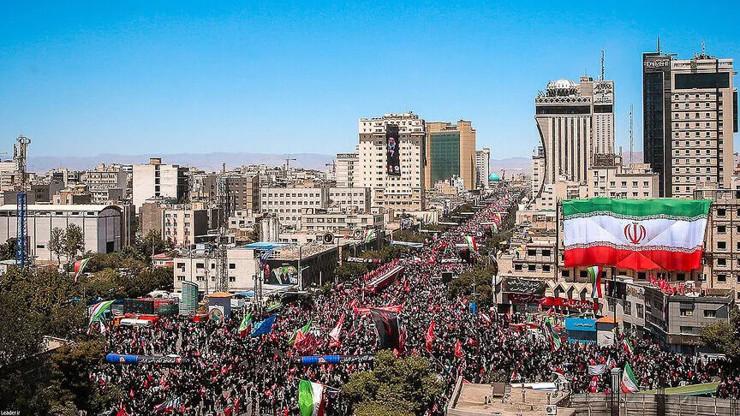
Israeli Strike Kills Ayatollah Ali Khamenei, Buried at Imam Reza Shrine in Mashhad
19 sources compared
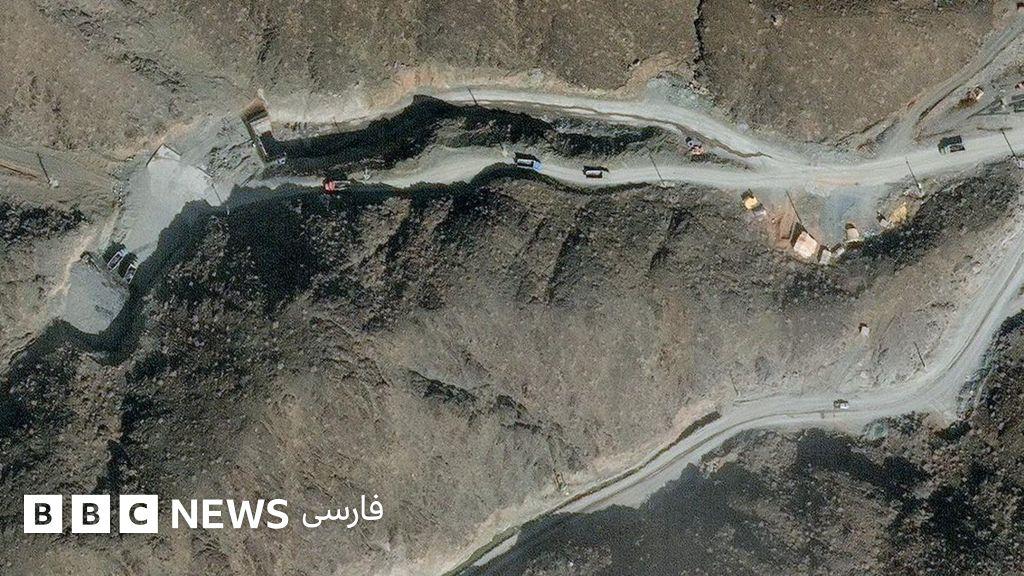
Iran Attempts To Restore Nuclear Sites Damaged In US And Israel Strikes, CNN Satellite Images Show
15 sources compared
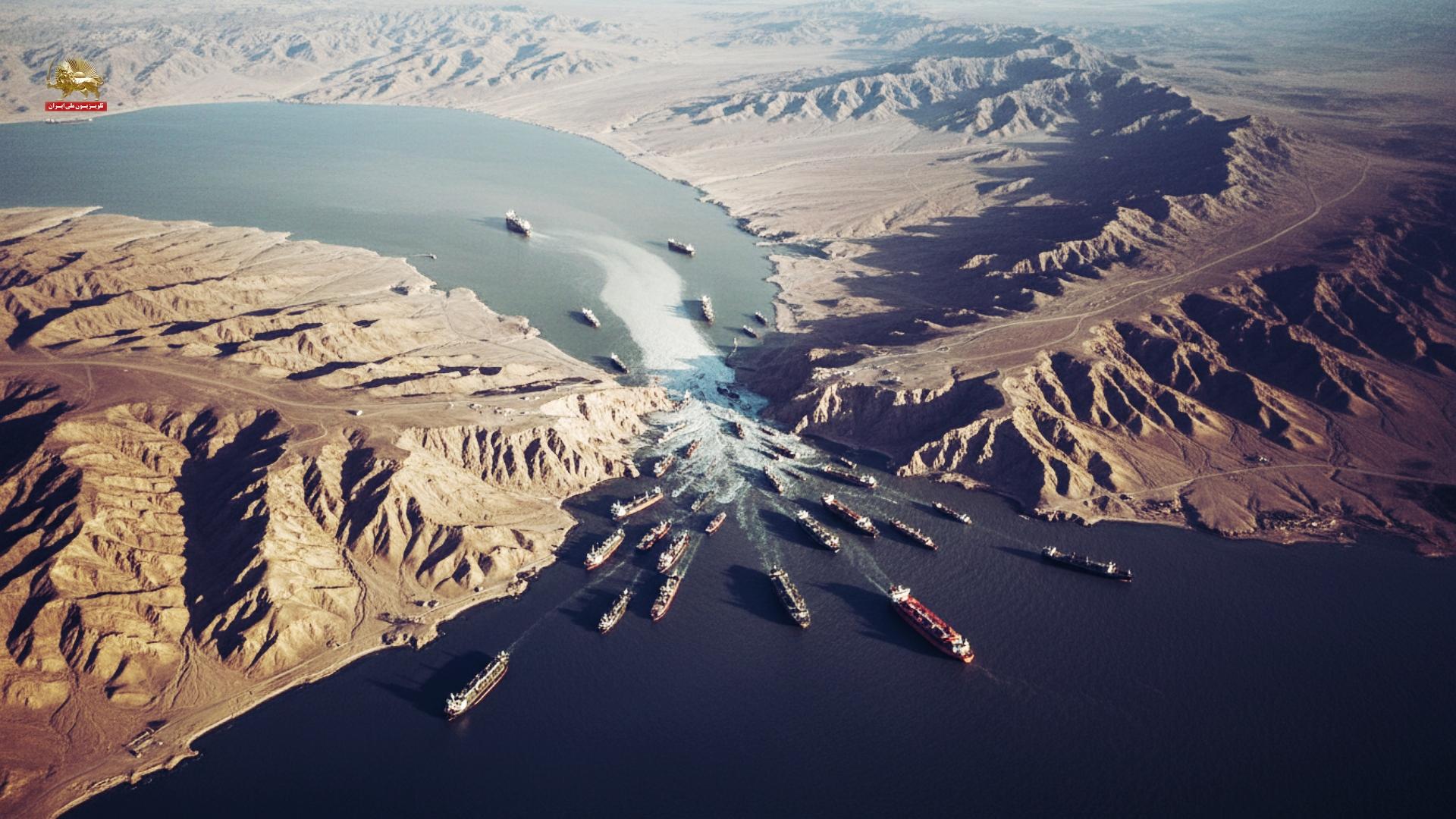
Abbas Araghchi and Prince Faisal Bin Farhan Discuss Regional Developments After US Attacks
11 sources compared

Trump Says U.S. Agreed to Continue Iran Talks, Ceasefire Is Over
19 sources compared