Full story
Oman’s Hormuz proposal
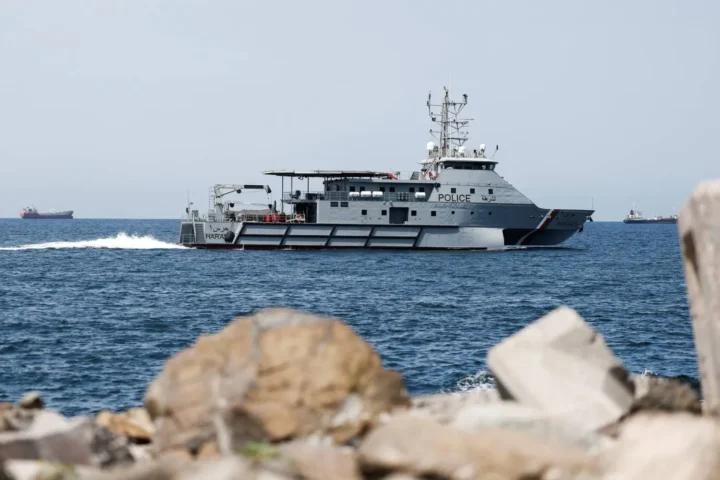
Oman has proposed to Iran a joint regional mechanism to manage the Strait of Hormuz, with shipping firms making voluntary contributions modeled on the Strait of Malacca, Reuters reported on Tuesday citing a Gulf source.
“Iran and Oman have exchanged proposals regarding the future management of the Strait of Hormuz, as points of contention continue to exist between the two nations whose territorial waters border the strategic waterway”
The plan is intended to avert Iran from exercising full control of the strait, and it would collect voluntary fees to fund navigation, environmental protection and search and rescue, according to the Reuters reporting described by Riviera Maritime Media.

Iran International reported that Deputy Foreign Minister Kazem Gharibabadi said Tehran rejected Oman’s proposed 50-50 arrangement because it would not adequately address Iran’s national security concerns.
Instead, Gharibabadi said Tehran proposed placing one shipping lane entirely within Iranian territorial waters and part of the other within Iranian waters so Iran could “effectively exercise oversight over both inbound and outbound traffic.”
Iran’s Foreign Minister Abbas Araghchi also said Tuesday that he had held separate phone calls with his Omani and Saudi counterparts the previous evening, covering “regional developments, diplomatic efforts to restore stability and insecurity in the Strait of Hormuz.”
Reactions and rival positions
Iran International said Gharibabadi told Iranian state television that Oman’s 50-50 formula would not meet Iran’s national security concerns, while Reuters reporting described Oman’s proposal as having regional backing and preventing Iran from exercising sole control.
The Times of Israel said Oman’s plan would let Iran receive “voluntary” fees from ships traveling through the Strait of Hormuz, and it cited Reuters reporting that the proposal was based on the Strait of Malacca where users voluntarily contribute to fund navigation, environmental protection and search and rescue.

Iran International reported that Trump said Tuesday that Washington was holding “good talks” with Iran and had a chance of reaching an agreement, while warning that the United States would return to military action if a ceasefire deal was not quickly agreed.
The same Reuters-based reporting described the US military as enforcing what it called a “steel wall blockade” against Iran, with CENTCOM saying that as of July 28 it had redirected 18 commercial vessels, disabled two and boarded two.
Iran International also reported that Iran’s Foreign Ministry said Araghchi held separate phone calls with Oman’s Badr Al-Busaidi and Saudi Arabia’s Faisal bin Farhan, emphasizing “the need to strengthen cooperation and advance joint diplomatic efforts to establish stability in the region.”
What’s at stake next
The negotiations over Hormuz were unfolding alongside parallel US-Iran contacts over the broader conflict, with Iran International reporting that Gharibabadi said Iran had not requested negotiations with Washington over the past 15 days and that it was the United States that sought talks and conveyed through Oman that it would not carry out military action against Iran.
“Iran says progress made in talks with Oman on Hormuz shipping mechanisms Consultations focused on operational mechanisms for safe navigation through strategic waterway, according to Foreign Ministry Mohammad Sio 26 July 2026•Update: 26 July 2026 ISTANBUL Iran said on Sunday it made progress in talks with Oman on operational mechanisms to ensure the safe passage of ships through the Strait of Hormuz, stressing there has been no change in maritime traffic through the strategic waterway”
Riviera Maritime Media said Iran’s IRGC-linked Fars news agency blamed the US for “insecurity” in the Strait of Hormuz and also claimed that Iran’s highest operational command had threatened to prevent passage for ships of “any country that receives money from Iran’s assets.”
Al-Monitor and The Jerusalem Post both described the talks as narrowly focused on shipping arrangements, with The Jerusalem Post saying mediators hoped a temporary agreement on the contentious shipping issue would cool tempers and lead to more advanced talks.
The Media Line reported that negotiators were concentrating on shipping arrangements rather than trying to resolve the broader conflict, and it said mediators hoped a temporary understanding over maritime operations could create momentum for wider negotiations later.
Anadolu Ajansı reported that Iran said it made progress in talks with Oman on operational mechanisms for safe passage, with Foreign Ministry spokesman Esmaeil Baqaei saying “The two sides exchanged views on common principles and operational mechanisms for the safe passage of ships in the Strait of Hormuz.”