Full story
Pause After Missile Attack
The U.S. military paused its airstrikes on Iran after nearly two weeks of intensifying bombing, while diplomatic efforts pressed forward to avert a return to all-out war.
“Mediators intensify US-Iran diplomacy after Trump orders 'pause' in strikes: Sources US, Iran communicated responses to a joint proposal from Pakistan and Qatar to end their war, Pakistani government sources tell Anadolu Anadolu staff 26 July 2026•Update: 26 July 2026 ISTANBUL Mediators Pakistan and Qatar have intensified the exchange of messages between the US and Iran after the two warring sides communicated their responses to a joint formula to end their months-long war, Pakistani government sources told Anadolu on Sunday”
U.S. Central Command said Tuesday night it thwarted an "attempted surprise attack" by Iran's Revolutionary Guard, adding that the missiles were "successfully intercepted."

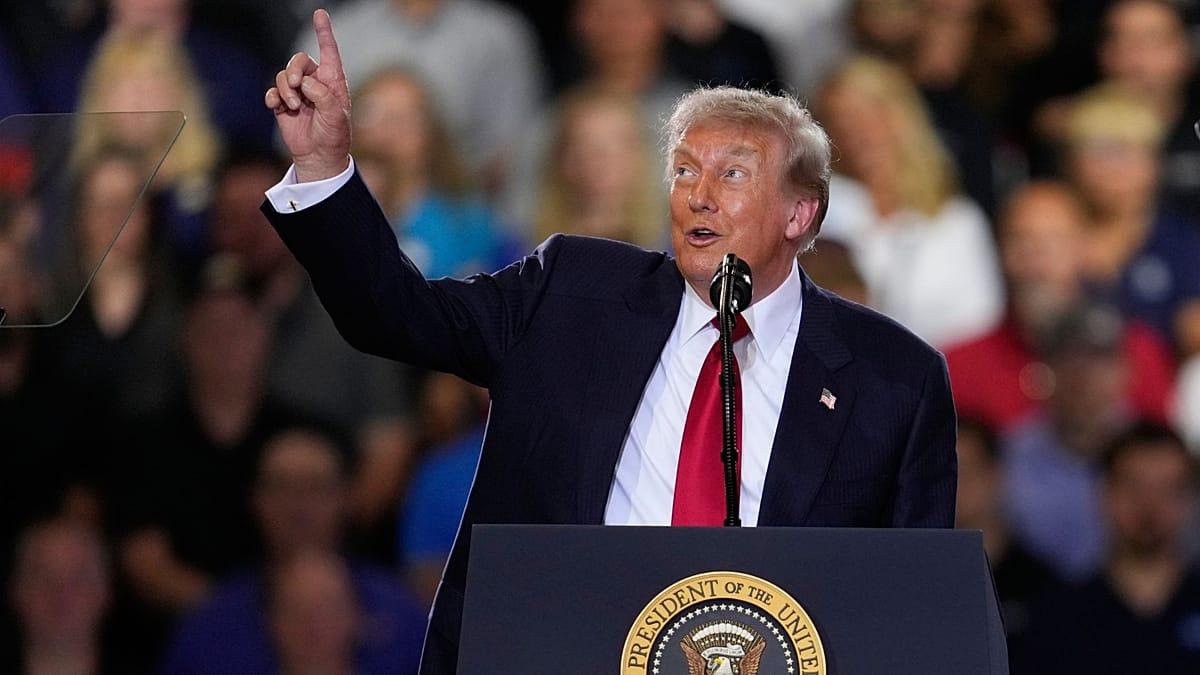
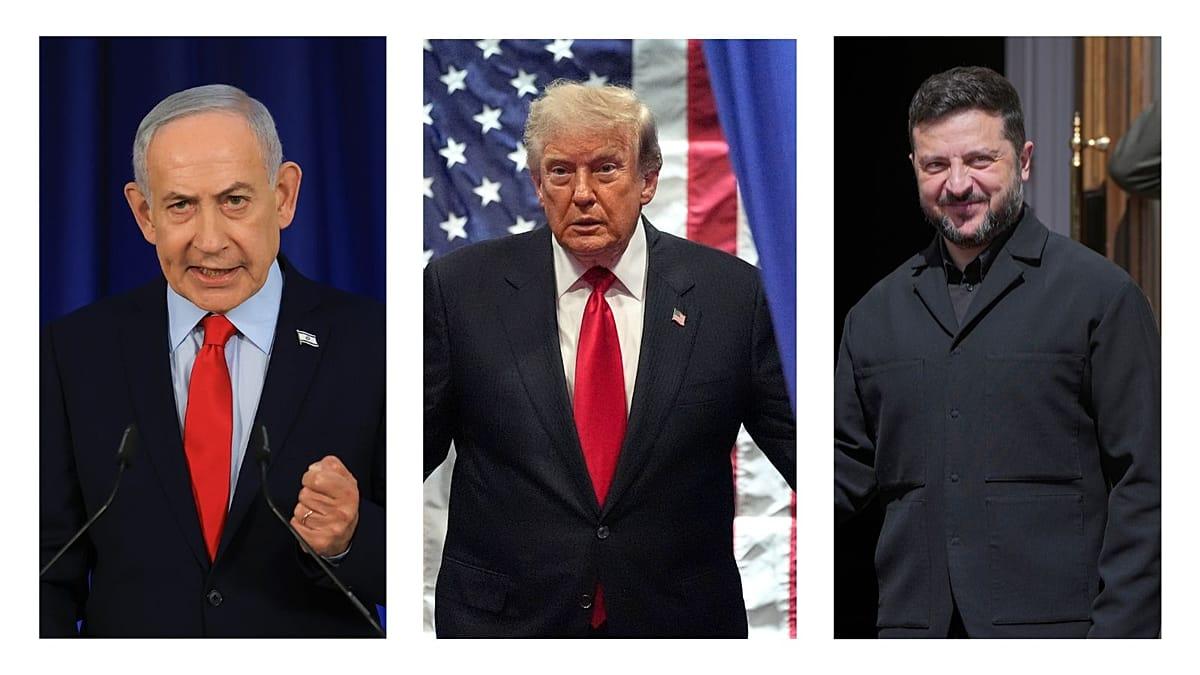
The pause followed a closed-door meeting at the White House between President Donald Trump and Israeli Prime Minister Benjamin Netanyahu that lasted about an hour and a half, with White House Press Secretary Karoline Leavitt calling the talks "positive and productive."
Iran’s Foreign Ministry spokesperson Esmail Baghaei said in a televised press conference that Tehran "will never allow the United States to determine the timing of war and peace," and that there are "no negotiations with the United States at present."
Netanyahu, Diplomacy, and Denials
The White House meeting between Trump and Netanyahu was described by a senior Israeli source as "an extremely positive meeting," with the leaders reaffirming "their ironclad commitment to ensuring that Iran never has nuclear weapons."
Trump warned that if the U.S. and Iran can't make a deal, "we go back to doing what we were doing," while mediators from Pakistan, Egypt and Qatar discussed a proposal aimed at disagreements over the Strait of Hormuz.
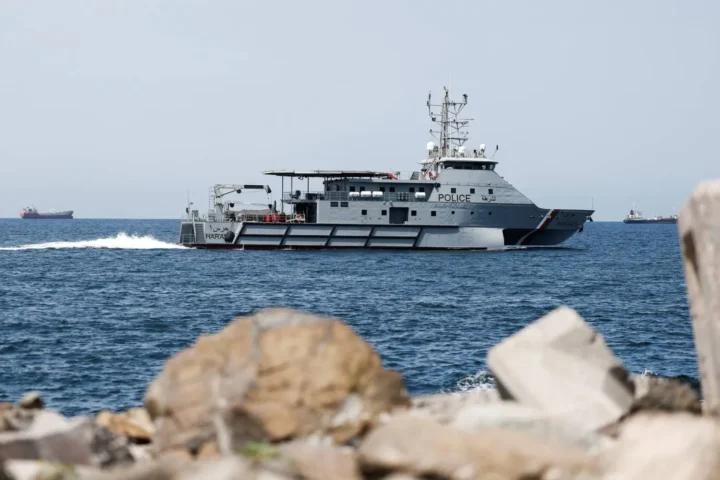
Iran rejected the idea of direct talks with Washington, with Iranian Deputy Foreign Minister Kazem Gharibabadi telling Tasnim News Agency that "Tehran blocked the plan" for another country to de-mine the Strait of Hormuz and noting Iran had not reached out for talks in the last 15 days.
In parallel, Anadolu reported that mediators Pakistan and Qatar intensified message exchanges after the U.S. and Iran communicated their responses to a joint formula, with a source warning the pause was fragile and that there was a "strong" possibility of violations or another flare-up in the near-closed Strait of Hormuz.
What’s at Stake Next
The off-ramp hinges on whether the U.S. and Iran can stabilize maritime access, with the AP describing a compromise centered around having Iran run vessel transit through the Strait of Hormuz with fewer restrictions on ships.
“When US President Donald Trump took the stage earlier this month at the Pennsylvania Defense and Innovation Summit, flanked by the CEOs of some of America's largest defence firms, he had one message in mind: build more weapons, and build them faster”
CNN said fewer than 10 commodity ships passed through the waterway as of Monday morning, compared with about 100 commercial vessels on a typical day before the war, while also noting ship traffic remains well below prewar levels.
The stakes also include the risk of spillover beyond the Gulf, as the AP reported that Iran put a chokehold on the narrow Persian Gulf waterway and that oil prices have soared during the conflict, which it said has been unpopular with many Americans.
In the background of the pause, The Guardian framed the strategic contest as one where Iran’s "initial standard for victory was simply to survive," while the U.S. has spent at least $38bn and used more than 1,000 Tomahawk and 1,100 Jassm $2.6m cruise missiles, according to estimates by the CSIS thinktank.