Iranupdated 31m ago3 min read
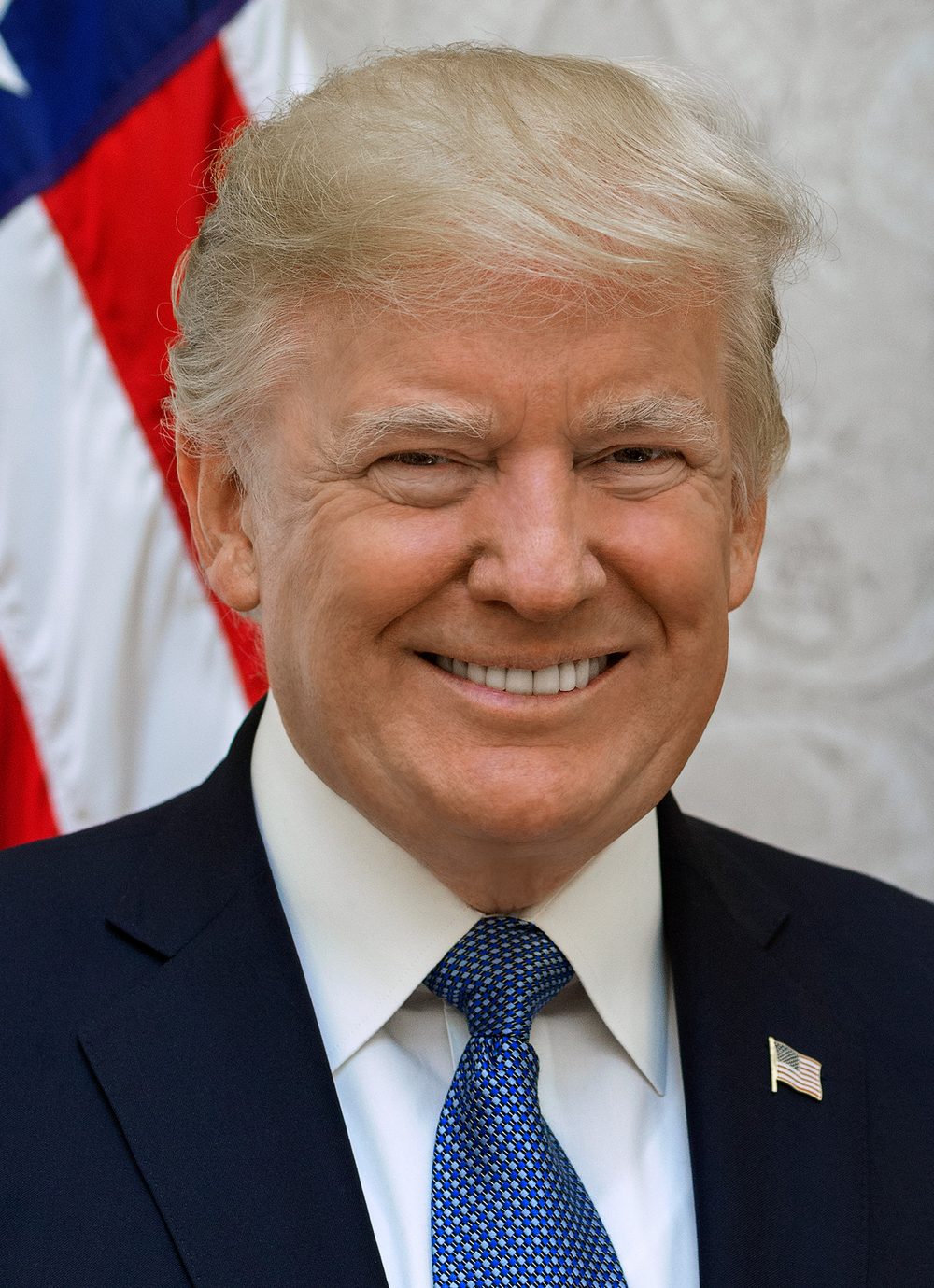
Archive photo · 6 October 2017Trump Orders Two-Week Decision on Iran Steps, Ratify Agreement as Khamenei Demands Swift Response
5 Western Mainstream3 West Asian1 Asian1 Western AlternativePhoto: Shealah Craighead / White House, Public domain · Cropped for layout
This article is an automated aggregation of coverage from news outlets. Our editorials offer in-depth analysis curated by the NewsCord team.
Trump will decide within two weeks on further Iran steps or ratification. Washington is reviewing plans to resume military operations against Iran.
Save coverage image
10 outlets in this story. Read their headlines below.
Outlets did split on IRGC Brings Down Two More US MQM-170 Drones Over Qeshm Island, Sixth Downed →
Trump weighs next steps
Donald Trump said Washington must decide within two weeks between taking additional steps toward Iran or “ratify the agreement,” and he told reporters at the White House that “It does not matter what the proposals include; they will not have nuclear weapons.” Trump also said, “They are not doing anything without our approval,” and he added, “Iran will not have a nuclear weapon and will not take any step without our approval... it does not matter what the proposals Iran is studying contain, they will not have the nuclear weapon.” The BBC reported that Trump spoke by phone with the Emir of Qatar Sheikh Tamim bin Hamad Al Thani to discuss efforts to end tensions between the United States and Iran, and a Qatari statement said the two leaders discussed Qatar’s mediation efforts to reach a comprehensive agreement.
The Iranian Army spokesman said the Supreme Leader emphasized the need for a swift response to any attack targeting Iran, and he warned that any “aggressive acts or new adventures” in the region will not lead to opening the strait. Reuters quoted a senior Iranian official saying Tehran sent a nuclear proposal to the United States via Qatar, while the official said discussion would not take place until Washington meets seven Iranian demands.
Seven conditions and retaliation
Mohsen Rezaei, secretary of the Iranian Supreme National Security Council, said during a visit to Russia, “We informed the Americans of seven conditions regarding diplomacy.” Rezaei added, “And unless they implement these seven conditions, we will not allow the opening of the Strait of Hormuz, and we will not enter into any negotiations.” The Iranian Army spokesman said reopening the Strait of Hormuz is conditioned on only one path, which is Tehran’s seven conditions being met by the United States, and he warned that any attack or new misadventure would not lead to opening the strait.
The spokesman said Iran would target, in case of an attack, all physical and non-physical targets of the United States regardless of geographic constraints, while the Iranian Supreme Leader emphasized the need for a rapid response to any attack. CBS News reported that Iran’s Revolutionary Guards said two oil tankers hit mines and caught fire in and near the Strait of Hormuz, and it also noted that there has been no confirmation from maritime officials.
Congressional pressure and next risks
Democrats in Congress announced their intention to open investigations into Pete Hegseth’s performance and management of the war on Iran, while a Republican deputy planned to introduce impeachment articles paving the way for his removal. The BBC reported that Democratic Representative Jason Crow said he would pursue Hegseth, accusing him of “inefficiency and corruption,” and Representative Adam Smith described the war as “illegal.” Pentagon spokesperson Sean Barnell said Hegseth “will not retreat and will not be deterred by politicians seeking partisan gain or stage-managed investigations,” and he confirmed his commitment to leading the Department of Defense until the end of Trump’s term.
France 24 said the Democrats’ victory in the midterms could open a new front of opposition to Donald Trump on foreign policy, and it described the war against Iran as one of the main battlegrounds between the White House and the new Democratic majority. The Conversation argued that once the new Congress takes office in January, every new dollar the Department of War (Defense) wants to spend would have to be approved by the House and the Senate, and it quoted the Constitution: “No money shall be drawn from the Treasury, except as a result of appropriations made by law.”