Iranupdated 34m ago3 min read
MapIran’s Friday Prayers Leader Says Iranian Forces Will Strike US If It Attacks Again
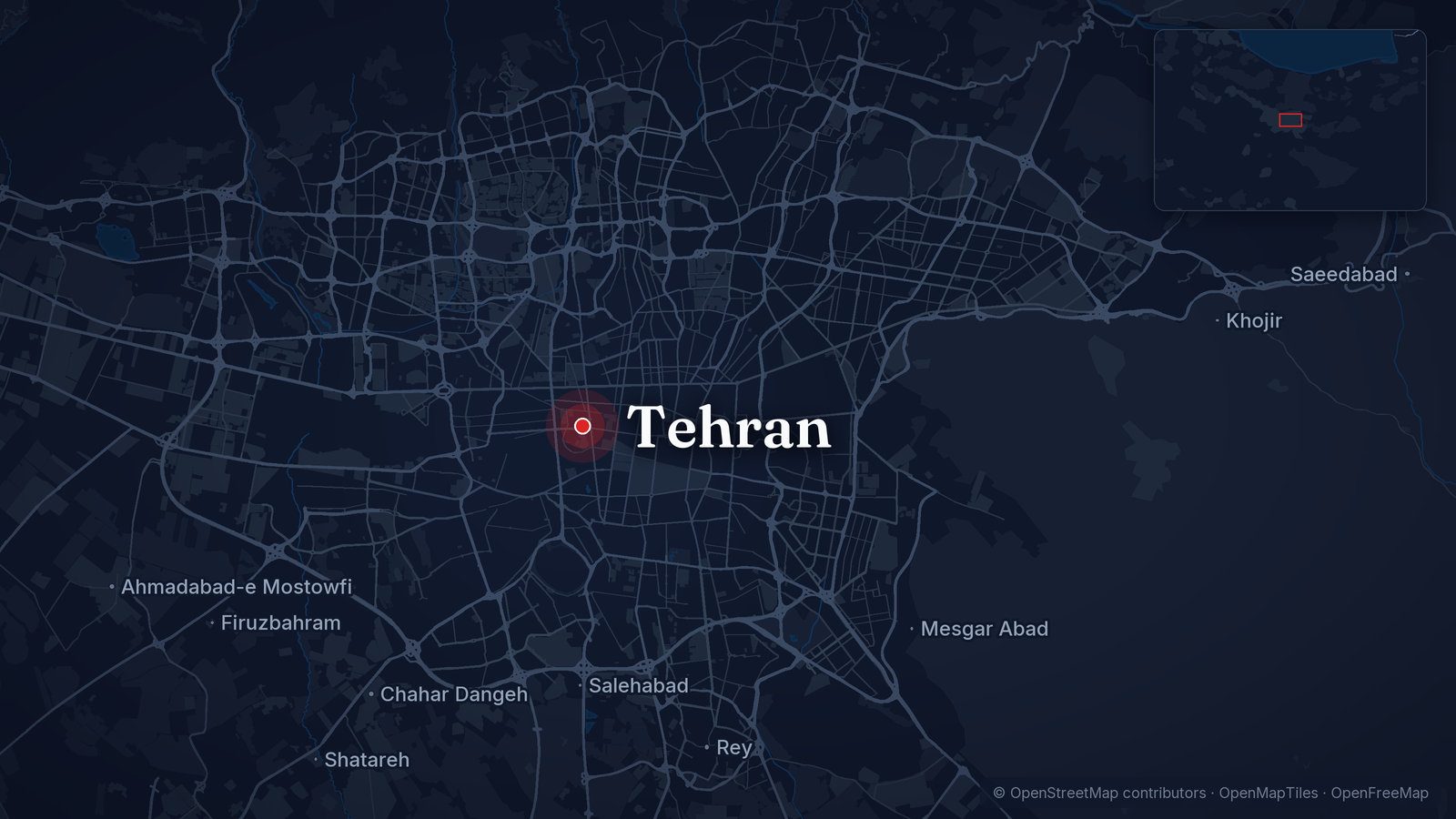
4 West Asian1 Western AlternativeMap: © OpenStreetMap contributors, ODbL · Cropped for layout
This article is an automated aggregation of coverage from news outlets. Our editorials offer in-depth analysis curated by the NewsCord team.
Iran's Friday prayers leader warns Tehran will retaliate if the US attacks again. Iranian armed forces ready to deal heavy blow to US aggressor.
Save coverage image
5 outlets in this story. Read their headlines below.
Outlets did split on IRGC Brings Down Two More US MQM-170 Drones Over Qeshm Island, Sixth Downed →
The National was read line by line by the Watchdog: 3.0. See the score →
Flights, diplomacy, threats
An aircraft took off at 2:00 a.m. on Tuesday, November 3 from Chiampino Airport, then after a stopover in Tehran returned to its point of departure without clarification about its mission. Analysts identified flight code ICVMN and transponder code 300AB4 by examining transponder signals on platforms such as "FlightRadar24" and "ADSB Exchange," while the site said the information was not sufficient to conclusively identify the aircraft and its passengers. Rome’s efforts to keep communication channels with Iran open included a June call in which Italian Foreign Minister Antonio Tajani telephoned Abbas Araghchi and expressed Rome’s willingness to support negotiations aimed at reopening the Hormuz Strait.
Tehran’s Friday Prayers leader told worshippers that the Iranian armed forces are well prepared to deliver a big slap to the US aggressors should they attack again. The Iranian armed forces would respond if the 'enemy' moves, framing the threat as readiness to act if the United States attacks again.
Election setbacks and escalation
Iran seized on US President Donald Trump’s midterm elections setback as evidence that his war policy is backfiring, with Parliament Speaker Mohammad Bagher Ghalibaf writing on X: “Conscience or the cost of living, Americans said no to war, and we endorse this message.” Supreme National Security Council chief Mohsen Rezaei wrote that Iran had handed Mr Trump “a strategic defeat on the battlefield and in the Hormuz – and a political defeat in Washington.” Brig Gen Esmail Qaani warned that a renewed conflict could extend beyond the Strait of Hormuz, adding, “Otherwise, there will be a war with weapons in Hormuz and the liberation of Bab Al Mandeb [strait].”
Iran’s IRGC on Thursday claimed that two oil tankers and a tugboat caught fire in separate incidents in the Strait of Hormuz overnight and that it seized two US Lucas-type drones after taking control of them electronically. Iran signals it is preparing for further attacks rather than assuming the US election will produce a diplomatic breakthrough, and it quoted Arsla Jawaid saying “There isn't a sense of gaining breathing space but rather one of preparedness and response.”
What is at stake
Human rights activists describe the Iranian regime’s detention of Western citizens as “state-held hostage-taking,” saying Tehran uses this method to pressure Western states and extract concessions. Italian Foreign Minister Tajani told the House of Representatives on July 1 of the previous year that Italy did not participate in attacks on Iran and did not allow the use of its military bases to strike it. The report questioned who could benefit from revealing potential and secret communications between Rome and Tehran, and it quoted a diplomatic source saying releasing unofficial information about this mission could raise the regime’s suspicions and complicate mediation efforts.
The war between Iran, the United States, and Israel has transformed into a strategic contest where power calculations intersect with questions of political legitimacy, global economic interests, and the future of the regional order. The midterm congressional elections on November 3 placed the Trump administration before a test that goes beyond partisan competition to assess the viability of the war itself, and it warned that if the war drags on without a convincing political settlement, American military superiority could become a drain on the president’s political capital.