Businessupdated 1h ago2 min read
Archive photo · 1 October 2021OPEC+ Postpones Decision on 2027 Oil Production Levels Until June 2027
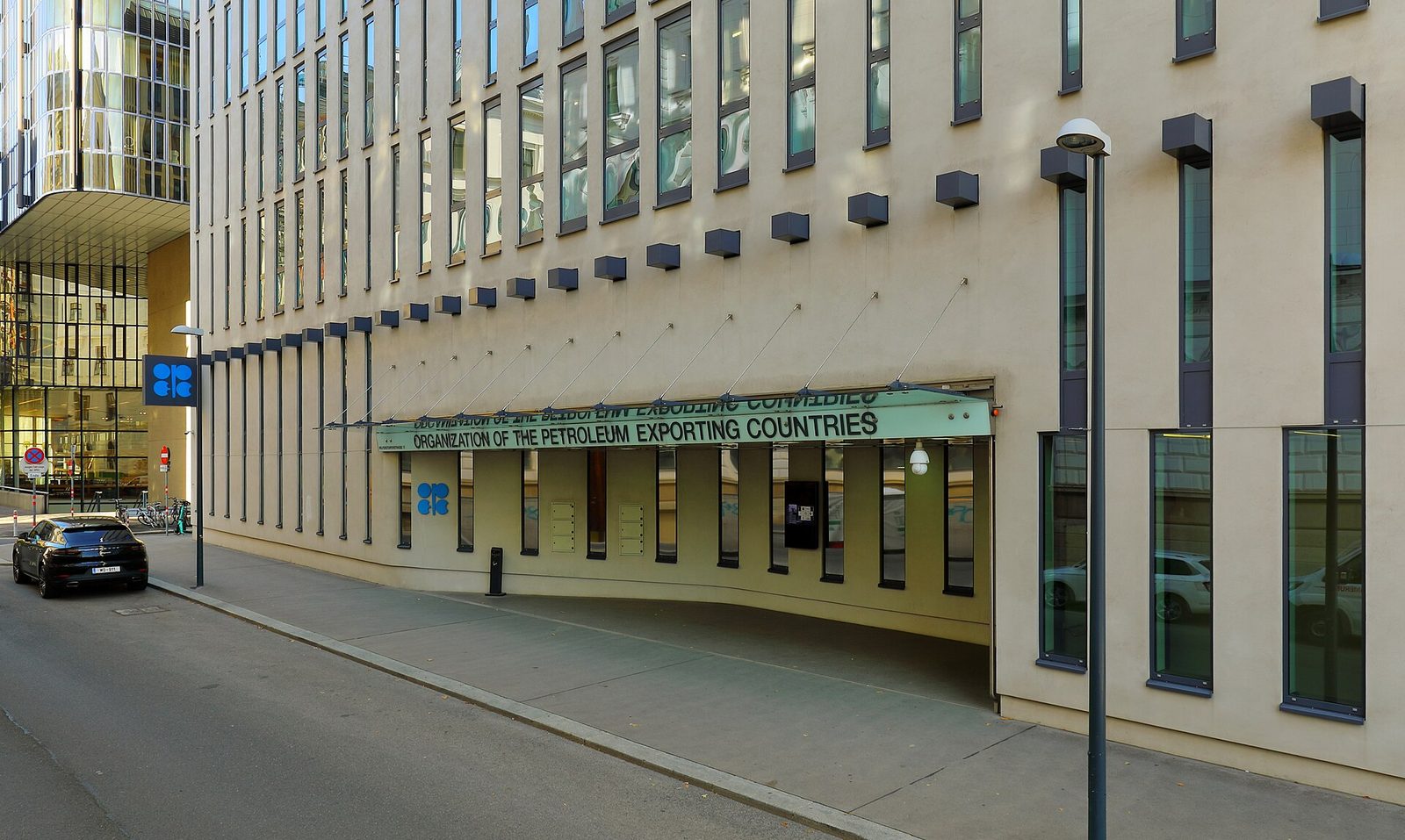
7 West Asian5 Other2 Western Mainstream1 Latin AmericanPhoto: C.Stadler/Bwag, CC BY-SA 4.0 · Cropped for layout
This article is an automated aggregation of coverage from news outlets. Our editorials offer in-depth analysis curated by the NewsCord team.
OPEC+ postponed deciding 2027 production levels to June 2027 amid market uncertainty. Seven member countries will keep 2027 Q1 output unchanged.
Save coverage image
15 outlets in this story. Read their headlines below.
Quotas pushed to June 2027
OPEC+ postponed deciding oil production levels for the upcoming period until June 2027, even as the alliance endorsed the results of assessing participating countries’ production capacity as a reference for setting production baselines for 2027. OPEC said ministers of the 21-member alliance agreed to “take a decision on the required production levels” at the next plenary meeting scheduled for June 6, 2027, or earlier if market conditions permit. The OPEC+ statement said participating countries decided to continue consultations and monitor market developments through existing mechanisms, with some countries requesting further discussions with independent consultants to be completed by the end of March 2027.
The seven key OPEC+ members also warned that “restoring damaged energy assets to full capacity is costly and time-consuming,” linking the issue to attacks on energy infrastructure and disruptions to international maritime routes. The meeting outcome extended the production cut of 2 million barrels per day in effect since November 2022, which was due to expire on December 31, while keeping the group’s official oil supply unchanged for the early months of 2027.
Iraq dispute and capacity rifts
Iraq’s rejection of its proposed production allocation complicated the review of members’ oil production capacity for 2027, according to delegates cited by Bloomberg in a report referenced by Demokratis.co.id. Three delegates familiar with the discussions told Bloomberg that the process would extend into next year, after disagreements over individual production capacity prevented completion on the intended schedule. The dispute centered on Iraq’s challenge to an assessment it said was too low, while the review had been underway for approximately a year.
Iraq rejected the new assessment that estimated its production capacity at less than 5 million barrels per day, while Iraq affirmed its ability to produce 5.2 million barrels per day. OPEC Secretary General Ahmed Al-Ghais said, “For the first time, the maximum sustainable production capacity was assessed and determined through an independent and objective process.”
Shipping risk and market stakes
The seven OPEC+ members tied the decision to inflationary pressures from disruptions to maritime routes and attacks on energy infrastructure, and they said restoring damaged assets to full capacity is costly and time-consuming. The statement linked the postponement to “prevailing uncertainty in the oil markets,” while also noting continued disruptions to energy flows and rising shipping and insurance costs described as unprecedented. The seven countries warned that “Rebuilding processing capacity is costly and time-consuming,” and it described the impact on global supply.
The combined production of the 21 members reached 41.23 mbd in October, and the figure was equivalent to 39% of world demand projected by the Vienna-based organization for this year. Rystad Energy sees a global oil surplus reaching 5 million barrels per day next year, equivalent to roughly 5% of worldwide demand, even if Gulf supplies recover only partially.