
Businessupdated 1h ago3 min read
Archive photo · 1 October 2021Trump Administration Encouraged Venezuela and Iraq to Consider Leaving OPEC, Reuters Reports
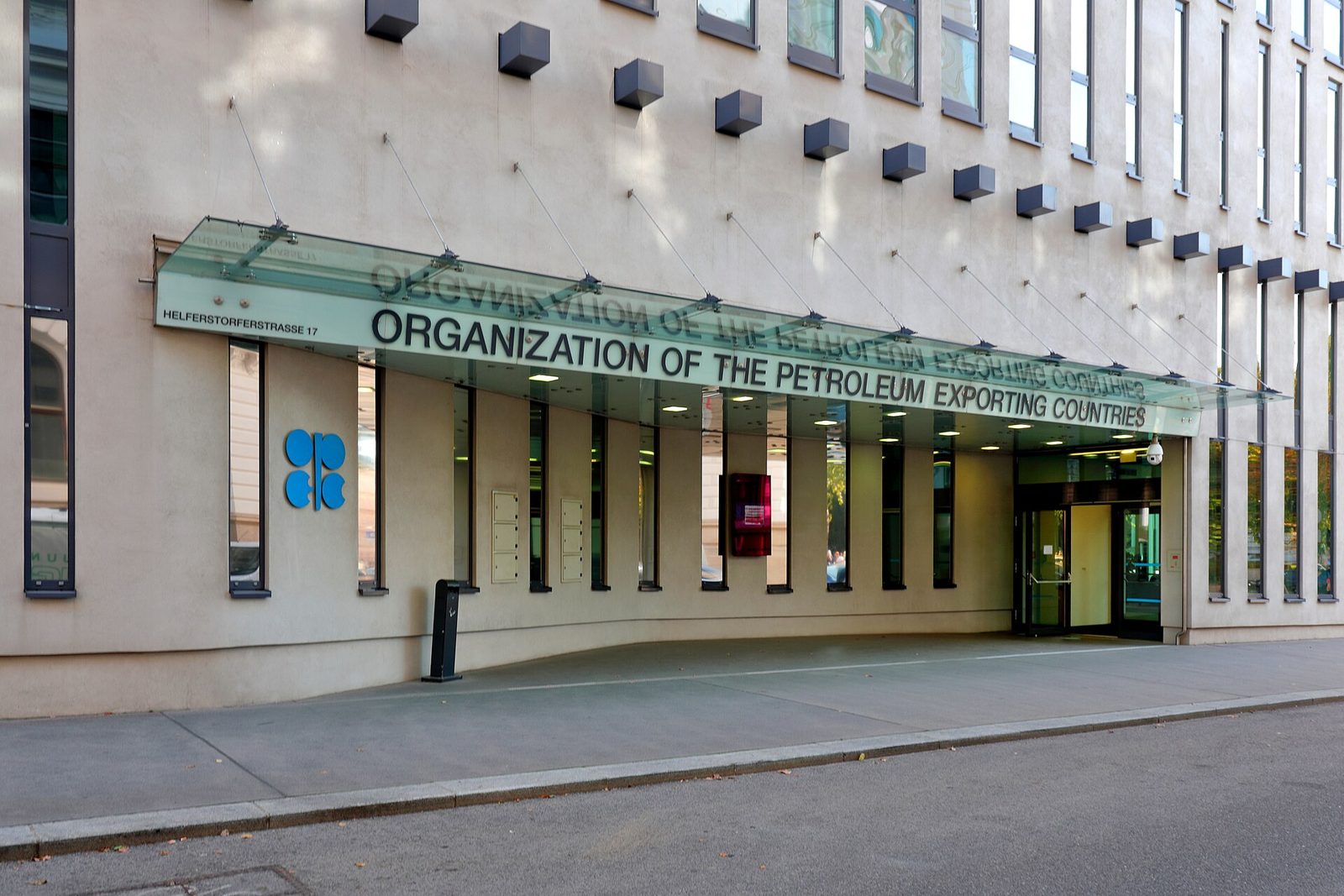
3 Local Western2 Other1 Asian1 West AsianPhoto: C.Stadler/Bwag, CC BY-SA 4.0 · Cropped for layout
This article is an automated aggregation of coverage from news outlets. Our editorials offer in-depth analysis curated by the NewsCord team.
US encouraged Venezuela and Iraq to consider leaving OPEC, Reuters citing ten sources. Washington blocked Venezuela from paying about 2.8 million euros in OPEC dues.
Save coverage image
US pressure on OPEC
The Trump administration encouraged Venezuela and Iraq to consider leaving OPEC earlier this year and prevented Venezuela from paying its annual membership dues, Reuters reported on Friday citing 10 people familiar with the matter. The moves targeted two of OPEC’s five founding members and marked an unusually direct challenge to an organization President Donald Trump has long accused of keeping oil prices artificially high. Saudi Crown Prince Mohammed bin Salman intervened this summer, persuading the Trump administration not to press the issue further, Reuters reported citing two people familiar with the matter.
In Iraq, Prime Minister Ali Faleh Al-Zaidi raised the possibility of leaving OPEC at a government meeting this summer after discussions with US officials who encouraged the idea, Reuters reported citing two people familiar with the matter. Iraq’s oil ministry pushed back, persuading Al-Zaidi to keep Iraq in the group and consider seeking a higher production quota instead, Reuters reported citing two people familiar with the matter.

Leverage, denials, resistance
The United States has leverage over both countries because the US controls Venezuela’s access to state funds following its January ouster of Nicolas Maduro, and Iraq’s oil revenues continue to pass through an account at the Federal Reserve Bank of New York, Reuters reported. A US State Department official told Reuters that Washington “has the power to decide on Venezuela’s use of state funds,” now held in a US-controlled account set up after Maduro’s removal. The State Department official also said it was possible that lower-level US officials had raised the question of leaving OPEC with Venezuela’s government earlier this year, but that “it has not been among the issues raised by high-level officials.”
Reuters reported that the State Department’s conversations with Iraq “have focused on improving energy infrastructure to increase production and transportation of energy, not OPEC,” and Representatives for OPEC and for the governments of Venezuela, Iraq, and Saudi Arabia did not respond to requests for comment. Dan Alamariu, chief geopolitical strategist at Alpine Macro, warned that “The risk of OPEC fracture is rising,” as the US pressure added strain to an organization that had already lost four members since 2019.
What happens next
The Reuters report said the US maneuvers add strain to an organization that has already lost four members since 2019, including the United Arab Emirates, Angola, Ecuador and Qatar. The report said there were no indications the US was involved in those earlier exits, and it described OPEC as now made up of 11 members with an alliance called OPEC+ that regularly meets to decide on coordinated production levels. In the quota dispute inside OPEC+, Iraq rejected an OPEC+-commissioned assessment that puts its sustainable capacity below 5 million barrels a day, while Baghdad wants about 6 million recognised, against a current OPEC+ limit of 4.431 million.
For Venezuela, Reuters said the country is exempt from OPEC+ quotas because sanctions and mismanagement cut its production from historical highs, and OPEC figures cited by Reuters put it at about 1.2 million barrels a day in September. The Reuters report said PDVSA aims to raise production to 1.5 million barrels per day by the end of next year, while the State Department official said US discussions with Iraq focused on energy infrastructure rather than OPEC.