
Technology and Science · 23 June, 2026 · 3 min read
Oracle Cuts 21,000 Jobs as AI Reshapes Operations and Cloud Spending Focuses
Oracle laid off about 21,000 employees globally in the past year (roughly 13%). Headcount fell to about 141,000 as of May 31, 2026, from 162,000 a year earlier.
Why layoffs happened: AI replacement vs financing AI build.
11 of 12 outlets skipped it: oracle shares fell 2.7% amid AI/cloud spending scrutiny.
12outlets compared
Same story, two versions
tap a side to read it in full
CX Today
““resulted, and may continue to result, in reductions to our workforce.””Read the original ↗
TechStock²
““The focus now is if Oracle can build data centers at the right pace””Read the original ↗
Shifts debate from AI substitution to capital-constrained AI expansion.
Oracle cuts jobs, shifts to AI
Oracle cut its global workforce by around 21,000 employees over the past year as it reshaped its business around artificial intelligence, with its annual report showing it had around 141,000 full-time employees as of May 31, 2026, down from about 162,000 a year earlier. On June 23, 2026, TechStock² said Oracle shares dropped 2.7% to $170.32 in late-morning New York trading Tuesday, after the annual report filing raised investor worries about the cost of Oracle’s AI plans. TThe same filing tied the reductions to AI, stating: “The adoption and deployment of AI technologies across our operations have resulted, and may continue to result, in reductions to our workforce.”
Oracle also disclosed that it ended the quarter with $638 billion in remaining performance obligations, or RPO, up 363% from last year, while Reuters said the company saw negative free cash flow of $23.7 billion for fiscal 2026 as capital spending hit $55.66 billion. In parallel, Oracle said it raised $43 billion in debt and $5 billion in equity in fiscal 2026 and planned to bring in roughly $40 billion more in fiscal 2027 through both debt and equity deals, counting a previously disclosed $20 billion at-the-market stock sale.

Investors weigh funding and margins
Reuters reported that Oracle is looking to ride a surge in AI demand into a bigger cloud-infrastructure business, but said the stock focus has shifted to whether Oracle can build data centers at the right pace “without putting too much pressure on cash flow, margins, and its balance sheet.” In the same Reuters account, Chief Financial Officer Hilary Maxson said gross margins would “step down” as new projects get going, while analyst Jacob Bourne at eMarketer said, “The demand is real,” but the “funding question is getting harder.” TechStock² also said Oracle ended the quarter with $638 billion in remaining performance obligations, or RPO, up 363% from last year, even as it posted negative free cash flow of $23.7 billion for fiscal 2026.T
The Ars Technica report described the layoffs as linked to Oracle’s capital spending to build data center infrastructure for AI workloads, quoting the filing that “The majority of the initiatives undertaken by the 2026 Restructuring Plan were effected to implement our continued emphasis in developing, marketing, selling, and delivering our cloud-based offerings.” Ars Technica added that Oracle planned to raise $45 billion to $50 billion in 2026 to expand Oracle Cloud Infrastructure for customers like OpenAI, xAI, AMD, Nvidia, and Meta, with about half coming through debt and the remainder through equity.
Debt-fueled AI race and risks
Oracle’s AI-and-cloud expansion is tied to major data-center deals, with TechStock² saying Oracle has landed major data-center contracts with OpenAI and Meta as it aims to catch up with Amazon and Microsoft in the cloud. The Indian Express reported that Oracle signed massive data-center deals with OpenAI and Meta to compete more forcefully with rivals such as Amazon and Microsoft, while also noting Oracle had to resort to burning cash and issuing debt. Ars Technica said Oracle has over $120 billion in debt, and Reuters previously reported that in February bondholders sued Oracle, claiming they lost money because Oracle hid the need to raise its debt to build its AI infrastructure.
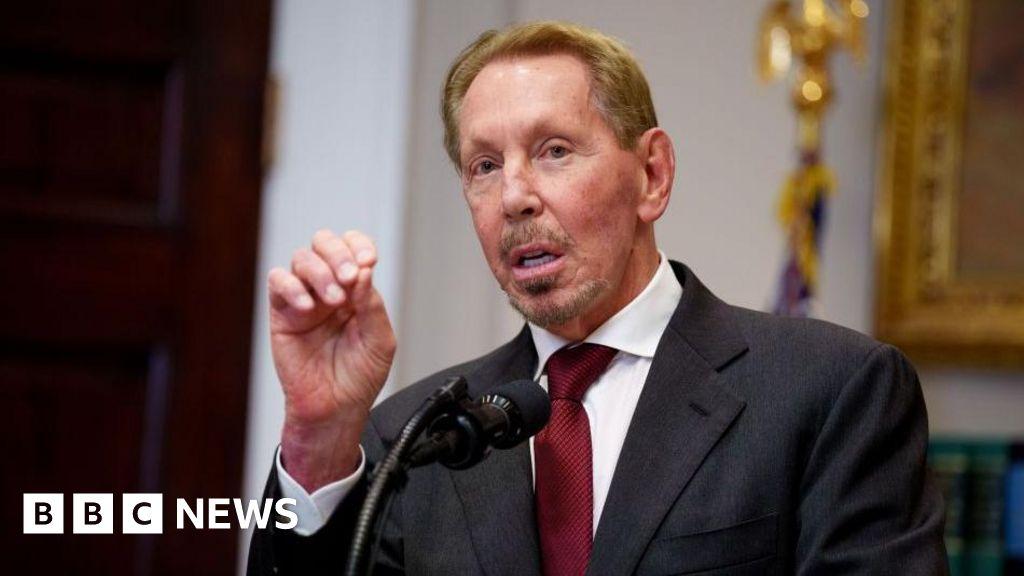
BBC reported that Oracle warned its restructuring efforts “can be disruptive,” and said it warned the reorganisation may lead to a shortage in skilled workers in certain roles, resulting in a loss of productivity that could impact its earnings. In the Reuters framing, the risk is that if customers fall behind on payments, if growth in AI demand drops off, or if Oracle ends up needing extra capital, then the stock might get hit again—more debt, thinner free cash flow, and the risk of dilution if it sells more shares.