Technology and Science · 05 August, 2026 · 3 min read
HHS Decertifies Kentucky’s Network for Hope After Review Finds Serious Deficiencies in Cases
HHS began decertification of Network for Hope, citing serious patient-safety deficiencies. Investigations found attempts to remove organs from patients who were still alive.
11 outlets, one story, no spin found.
2 of 3 outlets skipped it: a perfusionist says Network kept pushing to proceed during Hoover case..
11outlets compared
Decertification Begins
The U.S. Department of Health and Human Services began the process of decertifying Network for Hope, a Kentucky-based organ procurement organization, after federal reviewers found “serious deficiencies” in nearly 30% of cases they examined.
HHS Secretary Robert F. Kennedy Jr. said federal reviewers found “We found patients placed on the organ donation pathway who should have never been there,” and he described Network for Hope as “a bad apple” during a news conference in Lexington.

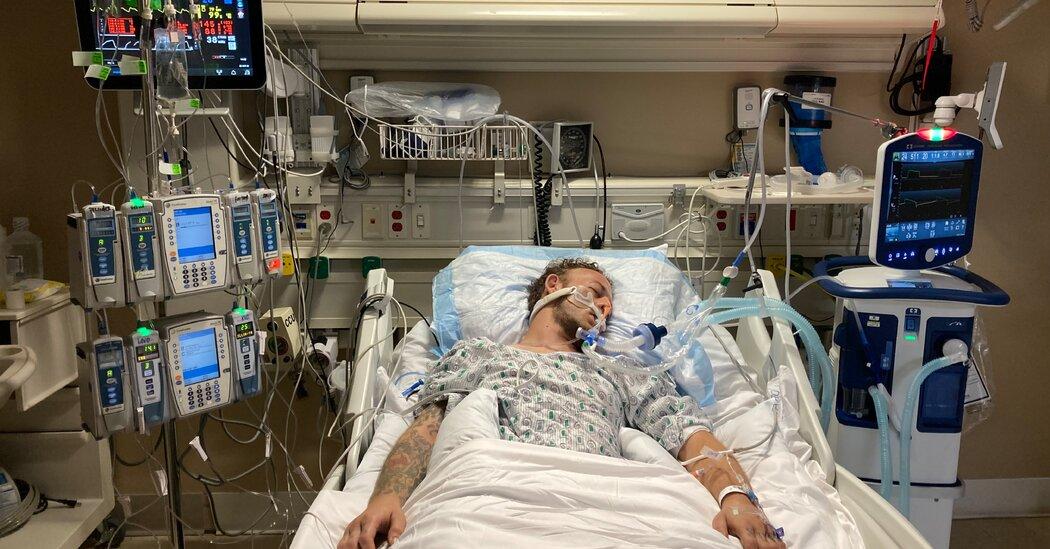
The allegations center on a 2021 incident involving Anthony Thomas “TJ” Hoover II of Richmond, where a doctor ultimately called off the surgery and the patient survived after waking on the operating table as his chest was being shaved and his body bathed in surgical solution.
Federal investigations also reviewed 351 Network for Hope cases between 2021 and 2024, and HHS said 103 cases showed “concerning features,” including 73 patients with neurological signs incompatible with organ donation.
Network for Hope said it “strongly disagrees” with the decision and plans to appeal, while the organization said it implemented a “pause in procedure” process required by Kentucky law.
Voices Clash Over Safety
At the center of the dispute, Hoover’s sister Donna Rhorer told reporters, “They prepared to recover his organs while he was still alive,” and she said, “My brother almost died that day. That should never happen to anyone.”
HHS Administrator Tom Engels said, “Despite those efforts, the organization did not demonstrate the improvements necessary to meet federal standards,” framing the decertification as a responsibility to act when patient safety is at stake.

Network for Hope CEO Barry Massa said the organization is compliant with OPTN policies and pointed to its “first-of-its-kind” pause process, arguing that “Secretary Kennedy has acted to decertify our OPO that serves seven million people across four states.”
The New York Times reported that the decision will effectively shut down Network for Hope and quoted Kennedy saying, “We will not tolerate organizations that compromise patient safety or betray the trust of donors or their families.”
What’s at Risk Next
The decertification process is tied to broader federal oversight of organ donation and transplant practices, with HHS saying it ordered Network for Hope to perform a root cause analysis, strengthen donor eligibility criteria, and establish safeguards allowing staff to halt organ recovery procedures when patient safety concerns arose.
CMS Administrator Dr. Mehmet Oz said the action sends a message to healthcare providers participating in federal programs, warning, “If you can’t be trusted to safeguard patients and be responsible stewards of American taxpayer dollars, we’ll find organizations that can,” while HRSA Administrator Tom Engels said oversight and corrective action were insufficient.
Network for Hope warned that the decision would negatively impact “more than 3,000 people waiting for a life-saving organ transplant,” and it said organ donation went down for the first time in 14 years under HRSA’s oversight.
The sources also tie the dispute to Kentucky’s new “pause in procedure” law, with House Bill 510 requiring a pause if there is a suspected or observed charge in neurological status, indications of life, or “uncertainty” regarding neurological status or death declaration assessments.
More than 100,000 people remain on the U.S. transplant waiting list, and the sources describe more than 49,000 transplants last year as a record despite a small drop in donations from deceased individuals registered as the first such dip in a decade.