Technology and Scienceupdated 52m ago2 min read
Archive photo · 18 June 2017Macronix Ends ROM Chip Production, Threatening Nintendo Switch And Switch 2 Cartridge Supply
“Now those shortages are also squeezing the supply of ROM chips”
“This is a capacity decision, not a quality problem and not a falling-out with a customer.”
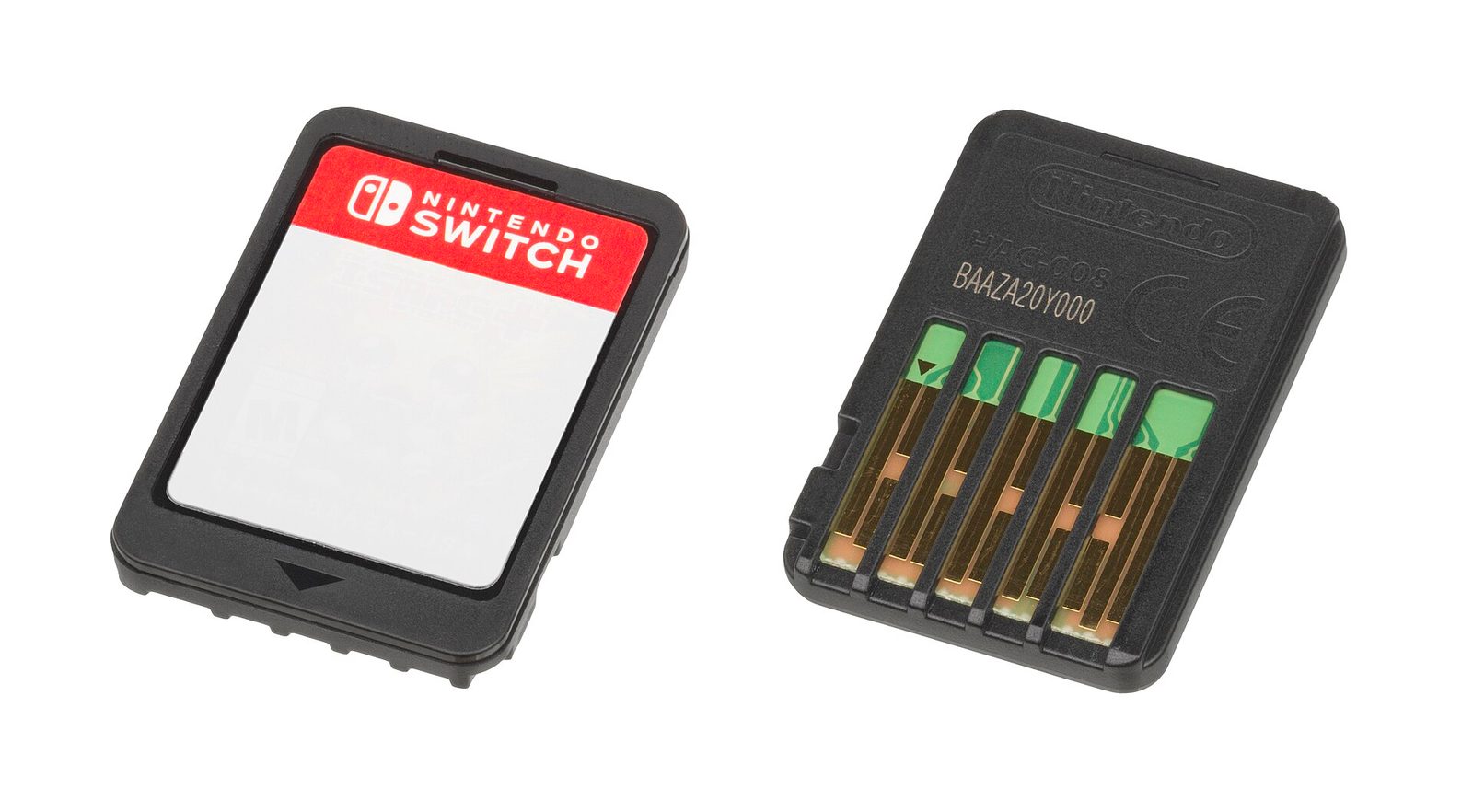
Photo: Evan-Amos, Public domain · Cropped for layout
This article is an automated aggregation of coverage from news outlets. Our editorials offer in-depth analysis curated by the NewsCord team.
Macronix plans to phase out ROM products by end of its third fiscal quarter. This exit could constrain ROM supply for Nintendo Switch and Switch 2 cartridges.
Save coverage image
Macronix ends ROM production
Macronix said its production of ROM chips "has reached its end" and that it will begin "gradually decoupling from the game industry," squeezing the supply of ROM chips used in physical Nintendo Switch and Switch 2 game cartridges. Macronix’s ROM production shrank 39 percent in the last year and now represents just 5 percent of the company’s business, while the company said wafer space is being crowded out by more lucrative NOR- and NAND-based memory and eMMCs. Macronix’s production capacity is stuck at 25,000 12-inch wafers a month, and the company said $1.2 billion in planned new capacity would take a year or more to spin up.
David Gibson said Nintendo uses Macronix as its "main memory chip maker" for physical game cartridges, and the shift away from ROM manufacturing threatens the cartridge supply chain as memory and storage demand remains high. The sources also described Macronix’s plan as phasing out ROM products entirely by the end of the third quarter of fiscal year 2026, with ROM products representing just 5 percent of Macronix’s business based on reported third-quarter sales.
Capacity shift, Game-Key Cards
Macronix is shifting manufacturing capacity to focus on NOR (flash) and eMMC memory chips, and the reporting tied that reallocation to the ongoing memory crisis.
David Gibson explained that there will be no new ROM products, and he said Q3 is the last quarter it reports ROM sales separately.
Nintendo also sources parts from Rohm Co. (Oki Semiconductor).
Gibson argued that higher costs could push more publishers, including Nintendo, to ship games as Game-Key Cards instead, which do not include physical cartridges.
FRVR described Gibson’s account that Macronix is "phasing out that business," while Gibson also cautioned that Macronix is not Nintendo’s only game memory card maker, so physical cards could carry on for some time.
Prices and Nintendo’s plans
The reporting connected Macronix’s ROM phase-out to potential price pressure, with Eurogamer.net saying the change could make physical games more expensive and result in even more controversial Game-Key Cards. Nintendo Switch carts cost between $12 and $15 to manufacture, but it said that figure continues to climb as cartridge prices rise. Nintendo has "no plans" to ditch physical sales, and it cited an interview with GM Bill van Zyll as the basis for that position.
Gibson said Nintendo’s physical card sales "will likely carry on for some time," while it said digital Game-Key Cards or entirely digital sales will continue to grow. PC Guide added that it expected Nintendo to publish its next financial report on Thursday, November 5, where it said results for the July-September period would be released.