Pakistan12 October, 20253 min read
Pakistan and Taliban Forces Kill Dozens in Deadly Border Attacks
This article is an automated aggregation of coverage from news outlets. Our editorials offer in-depth analysis curated by the NewsCord team.
Afghan Taliban claimed killing 58 Pakistani soldiers and capturing 25 border posts. Pakistan reported 23 soldiers killed and over 200 Taliban fighters killed in retaliation.

88 outlets told this the same way.
Outlets did split on Tehrik-E-Taliban Pakistan Suicide Attack Kills At Least 27 in Kohat Mosque Blast →
Afghanistan-Pakistan Border Clashes
Deadly overnight clashes along the Afghanistan–Pakistan border marked one of the most serious escalations since the Taliban took power in 2021. Both sides reported sharply divergent death tolls and battlefield gains. Afghan Taliban officials said they launched retaliatory attacks after alleged Pakistani air strikes in Kabul and eastern Afghanistan.
“Afghanistan’s Taliban government claims to have killed 58 Pakistani soldiers and captured 25 posts, while Pakistan reports 23 soldiers killed and the destruction of several Afghan posts.”
Islamabad has not officially confirmed the strikes but frames its actions as self‑defense against militants operating from Afghan soil. Kabul claims 58 Pakistani soldiers were killed and that multiple Pakistani posts were overrun. Pakistan reports 23 soldiers killed and says it destroyed Taliban positions, claiming over 200 Taliban and affiliated fighters were killed.
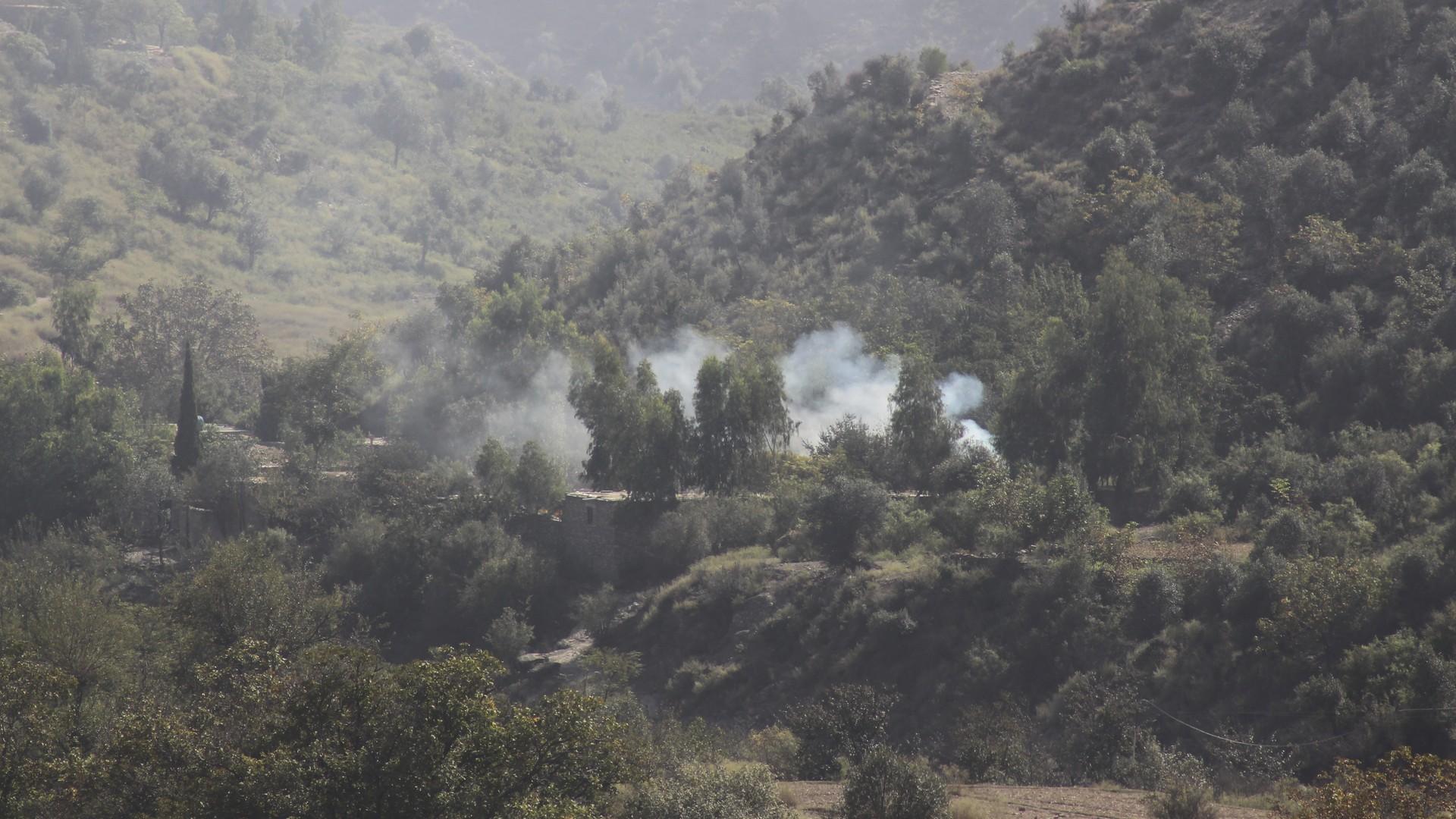
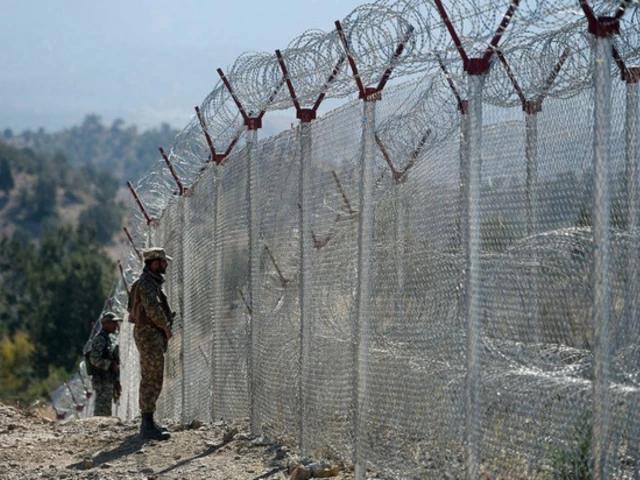
Key crossings at Torkham and Chaman were shuttered as gunfire and artillery exchanges flared along the disputed Durand Line. The fighting disrupted trade and movement, including Afghan refugees, before subsiding after appeals from Qatar and Saudi Arabia.
Mutual Accusations in Regional Conflict
Each side blames the other for harboring militants. Pakistan accuses Kabul of sheltering the Tehreek-e-Taliban Pakistan (TTP), which is responsible for deadly attacks inside Pakistan. The Taliban deny this accusation and counter-accuse Islamabad of hosting Islamic State Khorasan Province (ISKP) elements.
Several outlets reference a UN assessment alleging Taliban support to the TTP, which intensifies Islamabad’s case. At the same time, some coverage highlights Pakistani claims that the TTP is backed by India, a charge that other reports note is made without evidence.
Despite mutual denials, both governments warn of strong responses to provocation. Pakistan frames its strikes as self-defense, while the Taliban vow retaliation for sovereignty violations.
Conflicting Border Clash Reports
Battlefield accounts differ on territorial control along the border. Several Western mainstream outlets report claims of seizing 25 Pakistani posts by the insurgent group. Meanwhile, Pakistani and Asian sources state that Pakistan captured 19 positions held by the insurgents and destroyed their infrastructure.
“Afghanistan claimed to have killed 58 Pakistani soldiers and captured 25 posts… Pakistan… said it destroyed several Afghan posts.”
Other reports vary, mentioning the capture of two or three posts and differing on air and drone activity. Multiple sources describe firefights across several border provinces involving heavy artillery and shelling. These clashes highlight the wide scope of the conflict and the challenges in independently verifying the competing battlefield narratives.
Afghanistan Border Violence and Diplomacy
The violence coincided with a rare foreign minister visit by the Taliban to India. The conflict ended, at least temporarily, after appeals from Qatar and Saudi Arabia. Several outlets reported that Afghanistan announced a halt to operations at midnight following the mediation.
However, others noted intermittent gunfire and continued closures at key border crossings. Kabul officials stated that the situation was under control. Islamabad reinforced the frontier and shut major gates like Torkham and Chaman, stranding people and disrupting commerce.
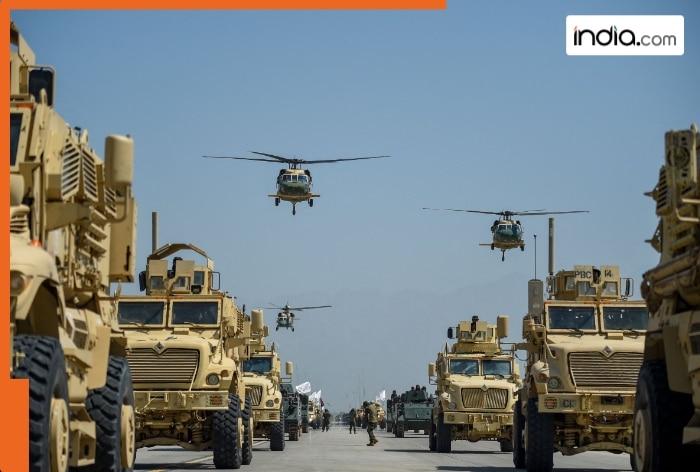
This episode highlights the volatility of the 2,600-kilometer frontier that Afghanistan does not recognize. It also underscores the political sensitivities surrounding Kabul’s growing contacts with New Delhi.
Regional Conflict and Tensions
Beyond the immediate firefights, regional actors urged restraint and warned of wider instability if cross‑border attacks continue. Analysts cited by Al Jazeera believe both Kabul and Islamabad want to avoid a larger war even as each side vows strong responses to provocations.
“Analysts believe both sides seek to avoid a larger war… while Pakistan remains wary of India’s growing ties with the Taliban.”
Some outlets carry grave Afghan claims of civilian deaths from earlier air strikes—numbers not corroborated elsewhere—while others focus on the spike in Pakistan’s militant violence linked to the TTP since the Taliban’s 2021 return. Reports also tie the latest escalation to earlier deadly attacks on Pakistani security forces in Khyber Pakhtunkhwa and to Pakistan’s deportation policies toward Afghan refugees, highlighting the conflict’s humanitarian and political dimensions.
