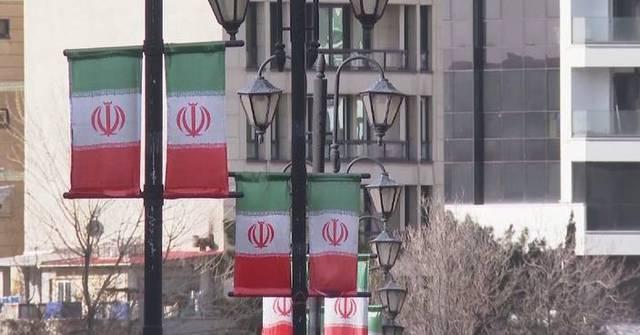
Pakistan Army Chief Asim Munir Reaches Tehran To Expedite U.S.-Iran War Deal
Key Takeaways
- Pakistan Army Chief Munir arrived in Tehran to advance mediation.
- Munir pressurizes Iranian side to accelerate talks on ending the Iran-US war.
- Iran sent its response to the US proposal through Pakistan as mediator.
Munir heads to Tehran
Pakistan Army Chief Field Marshal Asim Munir reached Tehran on May 22 to expedite efforts for a deal between the U.S. and Iran to end the war in the region, the Army said, describing the visit as “part of ongoing mediation efforts”.
The push for talks is unfolding alongside U.S. statements that Marco Rubio said showed “slight progress” during talks with Iran, while uncertainty remains over whether a deal will be reached or war will resume.

In Tehran, Iranian Foreign Ministry spokesman Esmaeil Baqaei said a Qatari delegation was holding talks with Iran’s foreign minister, but he added that Pakistan remains the main mediator in the negotiations between Washington and Tehran.
Baqaei also said, “Pakistan remains the official mediator,” as Munir’s trip came after a cease-fire between the United States and Iran went into effect on April 8.
The mediation effort is also tied to the Strait of Hormuz dispute, with the Council of the European Union deciding on May 22 to impose restrictions on individuals and entities involved in Iranian “actions and policies” affecting transit and innocent passage through international straits.
Hormuz tolls and sanctions
Qatar rushed a team of mediators to Tehran as talks to open the strait of Hormuz reach a climax, with the aim of signing a memorandum of understanding that would lead to 30 days of talks on Iran’s nuclear programme.
In Washington, Marco Rubio said the U.S. would not accept Iran being given a power to impose tolls on commercial shipping through the strait of Hormuz, warning that “There is not a country in the world that should accept that.”

Iran has set up a Persian Gulf Strait Authority (PGSA) that would impose tolls and direct shipping, while the U.S. insists tolls cannot be an option.
Anwar Gargash, a senior diplomatic adviser to the United Arab Emirates, warned Iran might be over-negotiating, saying they “have a tendency to overestimate their cards,” and he also cautioned that any control over the strait would set a dangerous precedent.
The dispute is reflected in a letter from Bahrain, Kuwait, Qatar, Saudi Arabia and the UAE to the International Maritime Authority urging merchant and commercial ships not to engage with the PGSA, warning that any understanding of Iran’s purported route and PGSA would “set a dangerous precedent.”
Talks advance, but gaps remain
Al Jazeera reported that Iran and the United States are continuing mediated talks aimed at ending the conflict, with Iranian media reporting that both sides are exchanging messages and draft proposals to establish a formal framework for an agreement.
Al Jazeera’s correspondent Almigdad Alruhaid said Pakistani officials were engaged in “intense mediation activity” between the two countries as US Secretary of State Marco Rubio said there were “some good signs” for a possible breakthrough.
At the same time, Iran’s Foreign Ministry spokesman Esmaeil Baghaei told Tasnim news agency, “We do not want any concessions from the United States; we are only seeking our rights,” as the negotiations remain tied to sanctions and the lifting of the U.S. blockade of Iranian ports.
The Council of the European Union said on May 22 that it would be able to sanction individuals and entities threatening freedom of navigation in the Middle East, while the mediation continues to hinge on whether the strait can reopen under terms acceptable to Washington and Tehran.
Reuters reported that three Pakistani sources said peace talks between Iran and the United States may resume soon in Pakistan, with Iranian Foreign Minister Abbas Araghchi expected to arrive and a U.S. logistics and security support team already in Pakistan in preparation for potential talks.
More on Iran
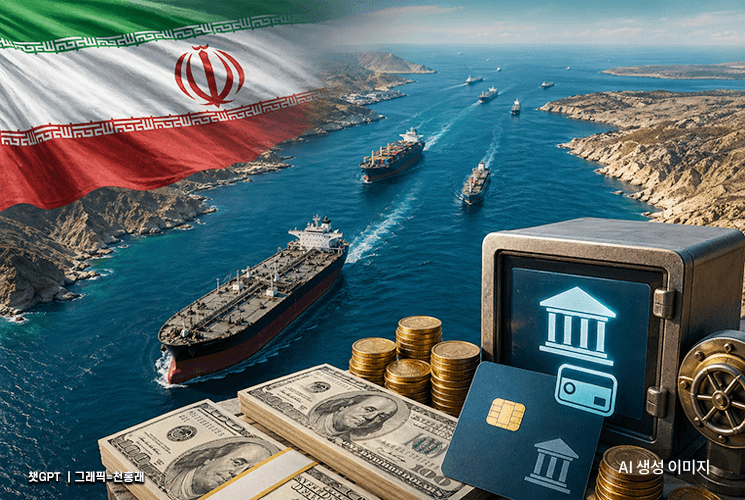
IRGC Navy Coordinates 35 Vessels Transiting Strait of Hormuz in Past 24 Hours
16 sources compared

Pakistan Mediates US-Iran Talks as Marco Rubio Says Breakthrough Is Not Yet Reached
16 sources compared
Tulsi Gabbard Resigns As Trump’s Director Of National Intelligence, Citing Husband’s Bone Cancer
49 sources compared
Marco Rubio Says Pakistan Mediates US-Iran Talks Over Strait Of Hormuz Tolls
10 sources compared