Pakistan26 October, 20252 min read
Pakistan Army Kills 25 Tehreek-e-Taliban Fighters in Border Clashes Amid Istanbul Peace Talks
Five Pakistani soldiers and 25 Tehreek-e-Taliban militants were killed in border clashes. Clashes occurred in Kurram and North Waziristan districts near the Afghanistan border.

27 outlets told this the same way.
Outlets did split on Tehrik-E-Taliban Pakistan Suicide Attack Kills At Least 27 in Kohat Mosque Blast →
Pakistan-Afghanistan Border Clashes
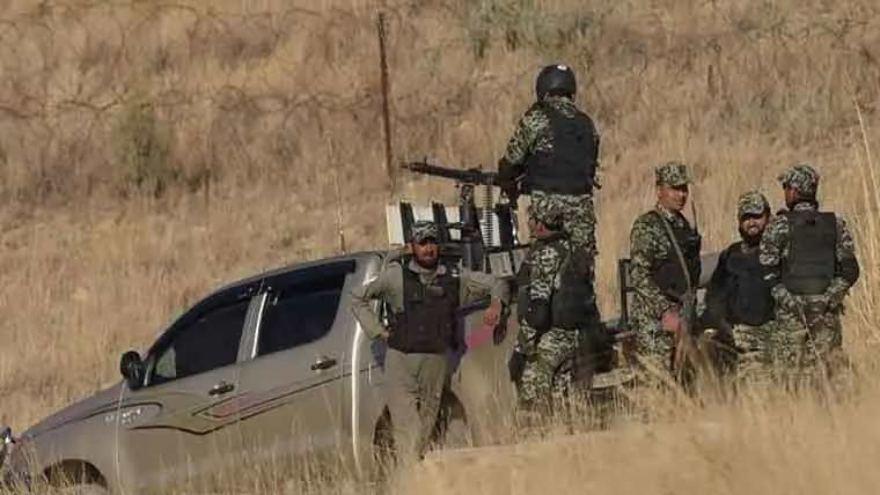
Pakistan’s military reports that five soldiers and 25 militants were killed in coordinated border clashes in Kurram and North Waziristan. These clashes occurred as armed groups attempted to cross from Afghanistan. The incident coincided with talks in Istanbul aimed at strengthening a fragile truce.
“Recent clashes along the Pakistan-Afghanistan border have resulted in the deaths of at least five Pakistani soldiers and 25 militants.”
Multiple news outlets describe this episode as part of the worst fighting along the Pakistan–Afghanistan border since the 2021 Taliban takeover. Pakistan emphasizes the infiltration attempts and the timing of the clashes alongside ongoing negotiations.

Western mainstream media highlight the severity of the clashes and the ceasefire context. Asian and West Asian sources focus more on the immediate casualty numbers and the cross-border nature of the conflict.
Militant Attacks in Pakistan
Operational details vary, but several sources report that two militant groups attacked separate locations. The fighting occurred in Spinwam (North Waziristan) and Ghakhi/Ghaki (Kurram). Security forces recovered weapons and explosives from the sites.
Multiple reports indicate that four suicide bombers were among those killed. Some Asian and West Asian outlets provide localized details and terminology used by Pakistan’s military. Other sources maintain a broader description of the events.
Pakistan-Afghanistan Border Tensions
Blame and counter-blame intensified between Pakistan and Kabul over cross-border militancy. Pakistan’s military questioned Kabul’s willingness or ability to curb militant activities and referenced the Doha commitments. The Taliban denied harboring militants and accused Pakistan of violating Afghan sovereignty with airstrikes.
“Pakistan's military expressed skepticism about the interim Afghan government's commitment to combating terrorism and urged it to honor the Doha Agreement by preventing the use of Afghan territory for attacks against Pakistan.”
Asian media outlets provided context on earlier Pakistani strikes inside Afghanistan and UN-reported civilian casualties in mid-October. Pakistan’s defense minister repeatedly warned that failure in talks could escalate into open conflict.
Istanbul Talks and Ceasefire Efforts
The Istanbul talks built on a Doha-brokered truce, with proposals for ceasefire monitoring and respect for sovereignty. Some outlets report a Taliban draft seeking an end to Pakistani cross-border strikes and a willingness to create a four-party monitoring mechanism.
Others describe a joint mechanism push facilitated by Qatar and Turkey. A few Western outlets also highlight US President Donald Trump’s claim he could quickly resolve the crisis, adding an unusual international political layer to the coverage.
October Border Violence Reports
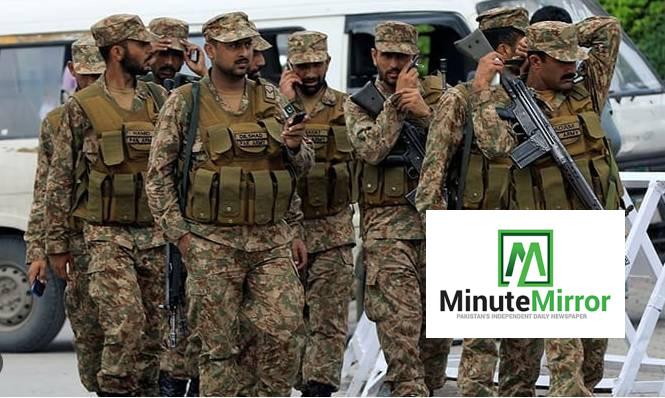
Competing narratives and unverifiable claims complicate the picture of October’s border violence. WION (Western Alternative) reports claims of far higher Pakistani casualties and Pakistan’s much larger militant death toll earlier in the month.
“Both sides reported heavy casualties: the Taliban claimed to have killed at least 58 Pakistani soldiers in retaliatory attacks, while Pakistan reported 23 soldiers killed and claimed to have killed 200 Taliban militants.”
Mainstream outlets largely focus on the 5–25 toll in the latest clashes. Some reports note Kabul’s silence or non-comment, the difficulty of verifying figures, and differing accounts of what triggered the escalation.
