Pakistan27 October, 20252 min read
Pakistan Demands India End Occupation of Kashmir to Achieve South Asia Peace on Kashmir Black Day
This article is an automated aggregation of coverage from news outlets. Our editorials offer in-depth analysis curated by the NewsCord team.
Pakistan’s leadership demands India end military occupation of Jammu and Kashmir since 1947 Pakistan urges international community, including UN, to hold India accountable for human rights violations

7 outlets told this the same way.
Outlets did split on Passenger Train Derails Near Sher Shah Bridge In Punjab, Killing Four And Injuring 30 →
Pakistan's Kashmir Day Statements
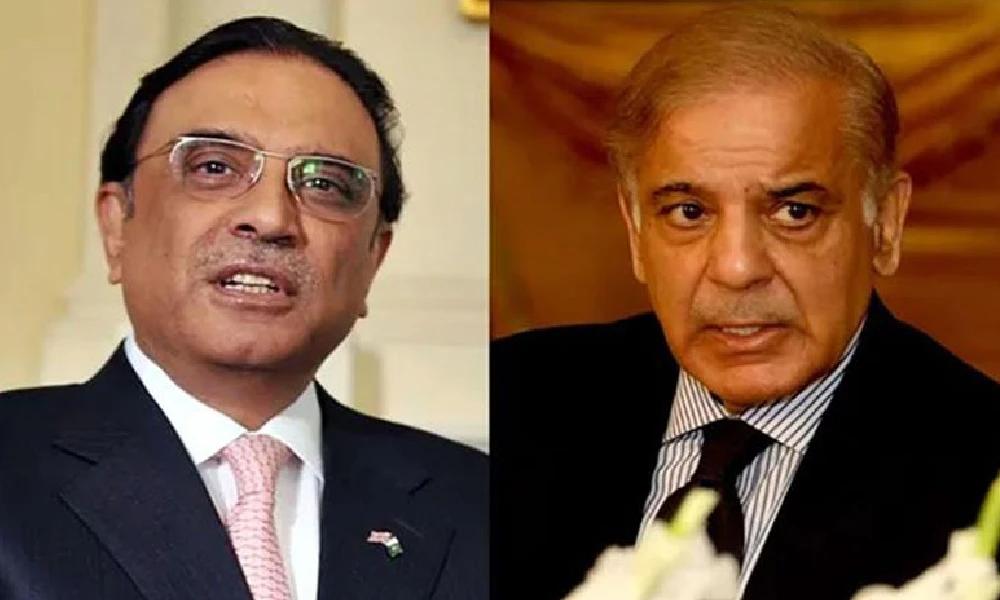
On Kashmir Black Day, Pakistan’s top leadership demanded India end what they term the illegal occupation of Jammu and Kashmir. They framed this as a prerequisite for lasting peace in South Asia. Prime Minister Shehbaz Sharif marked the 78th anniversary of Indian forces’ landing in Srinagar as a dark chapter.
“President Asif Ali Zardari and Prime Minister Shehbaz Sharif of Pakistan strongly reaffirmed Islamabad’s support for the people of Indian-occupied Jammu and Kashmir in their struggle for self-determination.”
He condemned the denial of Kashmiris’ UN‑mandated right to self‑determination. President Asif Ali Zardari echoed that decades of repression and human rights abuses must end. Coverage consistently ties the call to UN Security Council resolutions and to the post–August 5, 2019 changes.
Pakistani leaders argue these changes intensified restrictions and political repression. While Pakistan-focused outlets stress Kashmir’s centrality to regional stability, a West Asian outlet highlights concurrent regional security dynamics.
These include Pakistan-Afghanistan frictions and India‑China overtures. This underscores the broader stakes of South Asian peace beyond the Kashmir flashpoint.
Kashmir Black Day Narrative
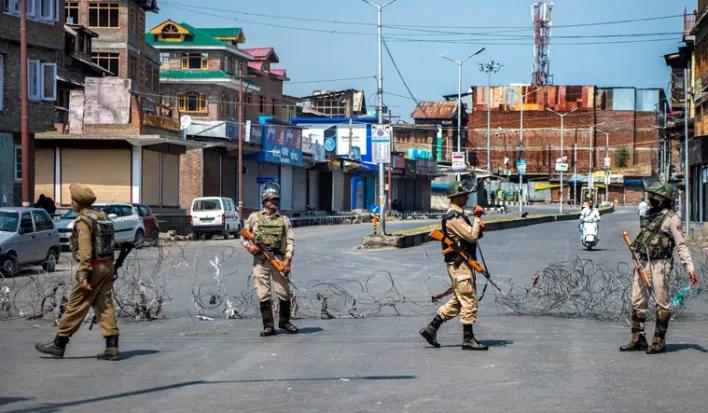
Pakistani leaders framed Kashmir Black Day around alleged human rights abuses and political repression. This framing became especially prominent after India’s actions on August 5, 2019. Reports emphasize restrictions on freedoms, harsh laws, and imprisonment of Kashmiri leaders and activists under fabricated charges.
There are also accusations of demographic engineering and the revocation of special status. The narrative presents an intensified post-2019 crackdown featuring military oppression, violence, and intimidation.
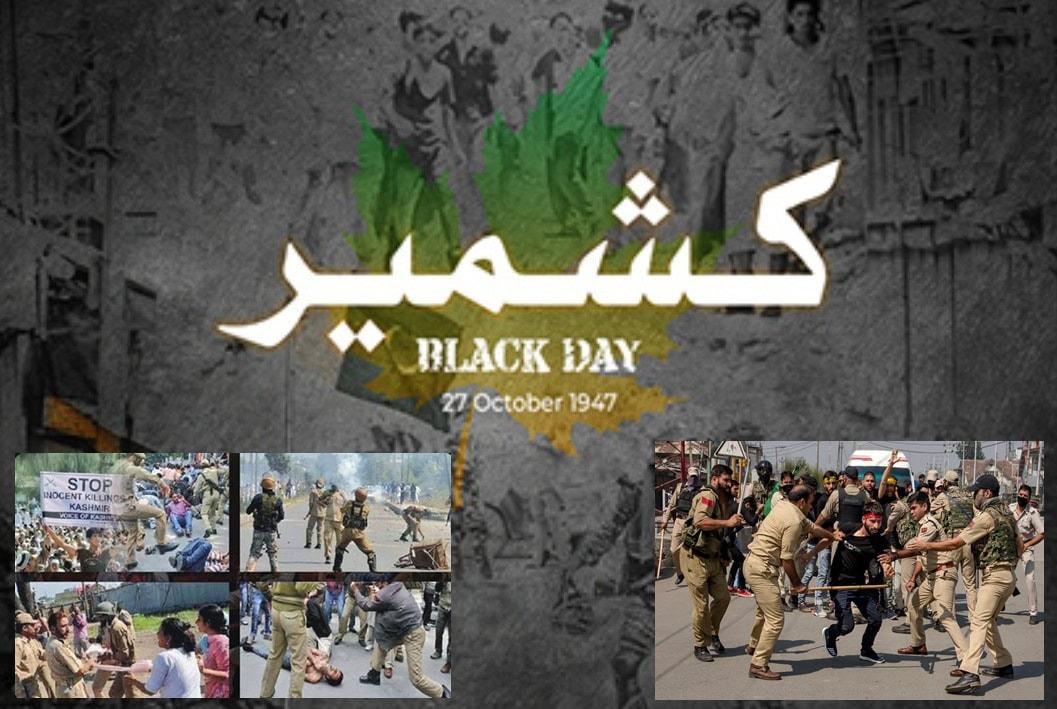
Islamabad argues that these actions undermine Kashmiris’ right to self-determination. This rights-centric framing is prominent across Pakistan-focused and regional outlets covering the day’s statements.
Pakistan's Kashmir Advocacy Approach
Islamabad’s appeal is framed within international law and shared global responsibility. Pakistani leaders base their demand on UN Security Council resolutions and call on the international community—especially the UN—to hold India accountable. The messaging of the day connects self-determination to global norms and seeks moral, political, and diplomatic support for Kashmiris.
“The pact states that an attack on one country will be considered an attack on both.”
While Pakistan-focused media emphasize UN frameworks, a regional West Asian source examines changing regional alliances and crises. This source highlights how advocacy for Kashmir is taking place amid evolving geopolitical dynamics.
Pakistan's Kashmir Strategy
Pakistan pairs its legal arguments with a pledge of sustained support and public mobilization. Leaders reiterated steadfast, moral, political, and diplomatic backing for Kashmiris and vowed to keep raising global awareness.
Coverage notes nationwide Black Day observances and depicts the dispute’s resolution as essential for South Asia’s peace and stability. Parallel regional developments—from Pakistan’s tense exchanges with Kabul to Saudi defense coordination and India‑China flight resumptions—form the strategic backdrop against which Islamabad situates its Kashmir push.

Kashmir and Regional Peace Dynamics
Islamabad’s Kashmir Black Day message has two main points: end the occupation to fulfill UN commitments on self‑determination, and do so to unlock wider South Asian peace. Pakistani and regional outlets reporting on the day often link Kashmir’s resolution to regional stability.
“They emphasized that a just resolution of the Kashmir dispute is essential for lasting peace and stability in South Asia.”
A West Asian perspective highlights how the subcontinent’s security landscape is also influenced by other issues, such as counterterrorism efforts in Kabul, Saudi defense relationships, and a cautious thaw in India‑China relations. The combined coverage presents Kashmir as central to Pakistan’s peace narrative, situated within a complex regional context of conflict management and tentative reconciliation.