Pakistanupdated 1h ago2 min read
Asif Ali Zardari Declares Emergency In Khyber Pakhtunkhwa, Suspends PTI Government
This article is an automated aggregation of coverage from news outlets. Our editorials offer in-depth analysis curated by the NewsCord team.
President Asif Ali Zardari imposed emergency in Khyber Pakhtunkhwa, suspending PTI-led provincial government. Emergency invoked under Articles 232 and 234 of the Pakistani Constitution.

13 outlets told this the same way.
Outlets did split on Tehrik-E-Taliban Pakistan Suicide Attack Kills At Least 27 in Kohat Mosque Blast →
Emergency in Khyber Pakhtunkhwa
Pakistan’s President Asif Ali Zardari announced a state of emergency in Khyber Pakhtunkhwa, suspending the provincial government run by Imran Khan’s Pakistan Tehreek-e-Insaf (PTI). The emergency was invoked on Sunday under two articles of Pakistan’s constitution dealing with security, and Shehbaz Sharif’s office said cabinet members took note of the “provincial government’s deliberate disengagement from the fight against terrorism”. The presidency said the move followed recommendations “regarding the law and order situation, and the failure of negotiations with government delegations,” and it granted the federal government sweeping administrative powers over the province.
“The state of emergency was invoked on Sunday under two articles of the constitution dealing with security.”
PTI spokesman Zulfikar Bukhari said the decision to invoke the state of emergency would only lead to “further bloodshed, instability and collateral damage,” and he said there was room for talks. The move came as PTI supporters continued a march in Khyber Pakhtunkhwa to demand Khan’s release, with the march originally scheduled for September 27 and later postponed until October 4.

Arrests and roadblocks
PTI lawmaker Junaid Akbar said Sohail Afridi, the chief minister of Khyber Pakhtunkhwa, was arrested along with the party’s president in the province shortly after the emergency announcement. The presidency did not specify how the province would be administered, while the constitution allows the federal government to take over some or all provincial government functions during an emergency. The government said it would not allow the march to enter the capital, Islamabad, and it prepared for weeks to prevent the arrival of PTI demonstrators by erecting barriers using shipping containers to block main access routes to the capital.
PTI chairman Gohar Ali Khan called the move “an extremely alarming and grave political mistake and an undemocratic measure,” and he posted that “The people will never accept such actions against their rights,” on X. A Reuters report cited Zulfikar Bukhari saying the government never intended to hold negotiations, even as the PTI said it wanted talks.
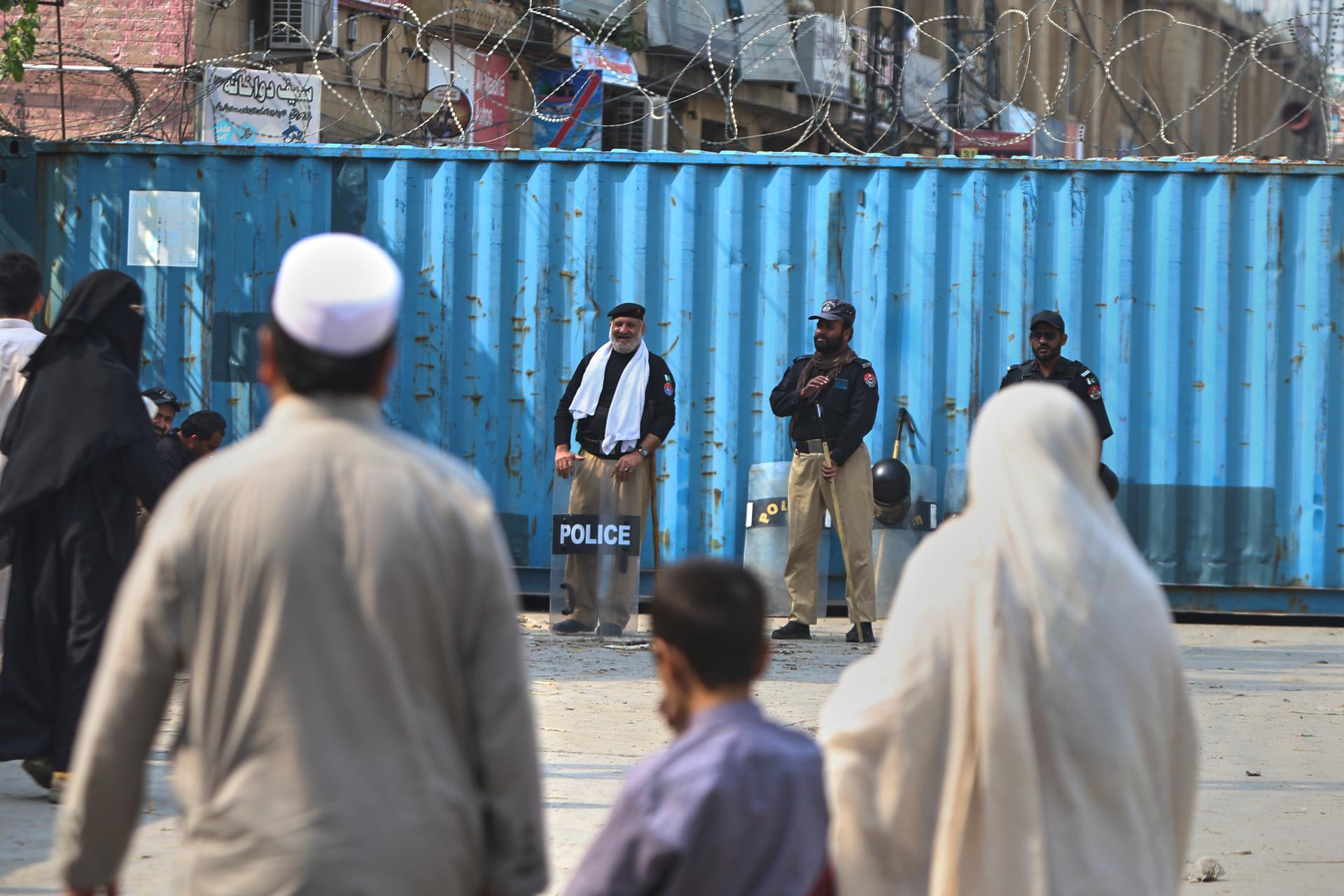
What comes next
The emergency proclamation effectively removed the elected provincial administration from power, and it sidelined Chief Minister Sohail Afridi’s administration while the governor’s rule took over provincial functions. The proclamation also set up a process for parliamentary endorsement, with the constitution requiring separate sessions of the National Assembly and Senate to seek approval for the emergency within 10 days and then a joint session within 30 days. The emergency provision could remain in effect for up to six months, and the proclamation covered the whole province while administrative arrangements for 12 districts were being considered separately.
“Sharif's government claims regional authorities have not done enough to curb Islamist violence in the province.”
The PTI warned that the emergency threatened provincial autonomy and constitutional rights, and it condemned the move as an undemocratic step that threatens provincial autonomy and the constitutional rights of the people. The federal government framed the emergency as a response to security threats and said it would not allow the PTI-led Khyber Pakhtunkhwa government to destabilize the country’s economy, while it accused the provincial authorities of failing to curb Islamist violence.