Asia30 August, 20263 min read
Bangladesh Says No Risk Joining Makkah Joint Defence Agreement With Saudi Arabia, Pakistan, Turkiye
This article is an automated aggregation of coverage from news outlets. Our editorials offer in-depth analysis curated by the NewsCord team.
Bangladesh says no risk in joining Mecca Joint Defence Agreement with Saudi Arabia, Pakistan, Turkiye. Dhaka says discussions ongoing and participation won't limit engagement with other international partners.
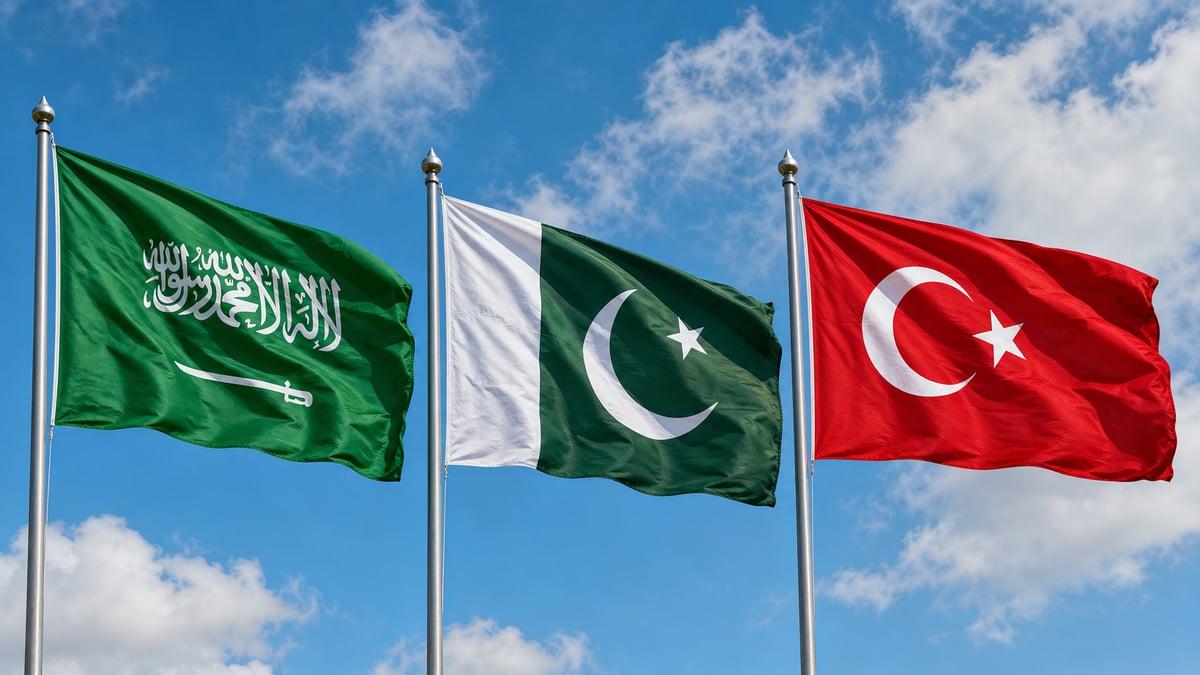
Mecca pact talks begin
Bangladesh said it sees no risk in joining the Makkah Joint Defence Agreement with Saudi Arabia, Pakistan and Turkiye, with state minister for foreign affairs Humaiun Kobir saying Dhaka’s participation would not limit engagement with other international partners. Kobir told reporters after a meeting with Saudi Ambassador to Bangladesh Abdullah Zafer bin Abiyah that the talks were “progressing positively,” and he said Bangladesh would pursue a flexible foreign policy while balancing its international relationships. The pact, signed on August 7, establishes a framework for collective deterrence in which an armed attack against any one of the three signatories would be regarded as an attack against all.
Bangladesh’s position came as India said it is closely monitoring developments related to the pact and will take necessary steps to safeguard its security interests, while Bangladeshi foreign policy experts and former diplomats expressed reservations about Dhaka joining the military pact. Reuters also reported that the first defence pact meeting is set for Monday in Istanbul, with Turkish President Recep Tayyip Erdogan, Pakistani Prime Minister Shehbaz Sharif and Saudi Crown Prince Mohammed bin Salman having signed the Mecca Joint Defence Agreement on August 7.

Istanbul committee agenda
Türkiye’s Erdogan will visit Bishkek, Kyrgyzstan, from August 31 to September 1 to attend the Shanghai Cooperation Organization (SCO) summit, and Burhanettin Duran said Erdogan would visit at the invitation of Kyrgyz President Sadyr Japarov. Separately, the first meeting of the Strategic Political and Defence Committee under the Mecca Joint Defence Agreement is scheduled for Monday in Istanbul, with Pakistan represented by Deputy Prime Minister and Foreign Minister Ishaq Dar, Defence Minister Khawaja Asif and Chief of Defence Forces and Chief of Army Staff, Field Marshal Asim Munir. A Turkish Foreign Ministry source said the meeting would cover enhancing defensive capabilities, interoperability between the armed forces, and deeper cooperation in the defense industries, including production and joint development.
The BBC said the committee is expected to establish a framework for a general secretariat and other mechanisms to coordinate work, and it reported that the meeting would be chaired by Turkish Foreign Minister and Defense Minister Hakan Fidan and Yashar Guler alongside Chief of the General Staff General Seljuk Birkdaroglu. The BBC also said Saudi Arabia would send Foreign Minister Faisal bin Farhan, Defense Minister Khalid bin Salman, and Chief of the General Staff General Fayyad bin Hamad Al-Ruwaili, while Pakistan’s delegation would include Ishaq Dar, Khawaja Muhammad Asif and Army Chief General Asim Munir.
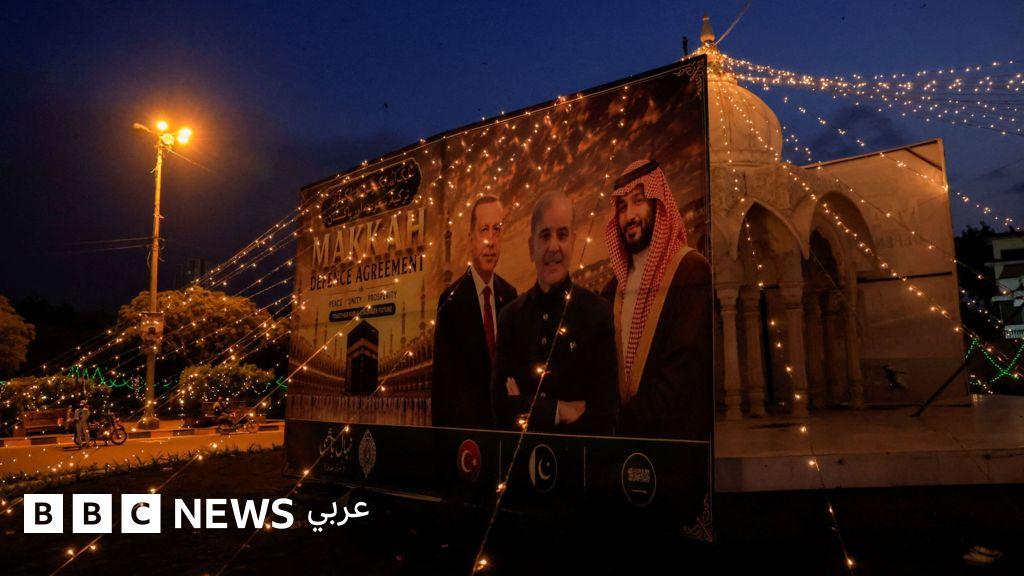
Unity message and risks
Iran’s Supreme Leader Khamenei issued a message during Islamic Unity Week calling on Muslim countries to expand cooperation in various fields and to support each other in defense, while warning that divisions within the Muslim world only benefit rivals. Khamenei directed the message to the Gulf Arab states and questioned whether foreign powers would dare to covet the lands and properties of these countries if peoples and governments of the region united under the flag of Islam. The same period saw Turkey, Saudi Arabia, and Pakistan promoting a joint defense mechanism, with Reuters citing Turkish Foreign Ministry sources that senior officials of the three nations were expected to meet in Istanbul on August 31 for the first committee meeting established under the joint defense agreement signed in August.
The Mecca Mutual Defense Treaty, signed on August 7, stipulates that an armed attack against any of the three member states will be considered an attack against all, and it is described as similar to the collective defense principle of Article 5 of NATO. In Bangladesh, Humayun Kabir told Parliament that if there is a security arrangement among Islamic nations in the Middle East, it is not unusual for Bangladesh to consider participating, while Bangladesh’s foreign minister Khalilur Rahman said Bangladesh viewed the pact positively and would consider joining if it received an invitation.